
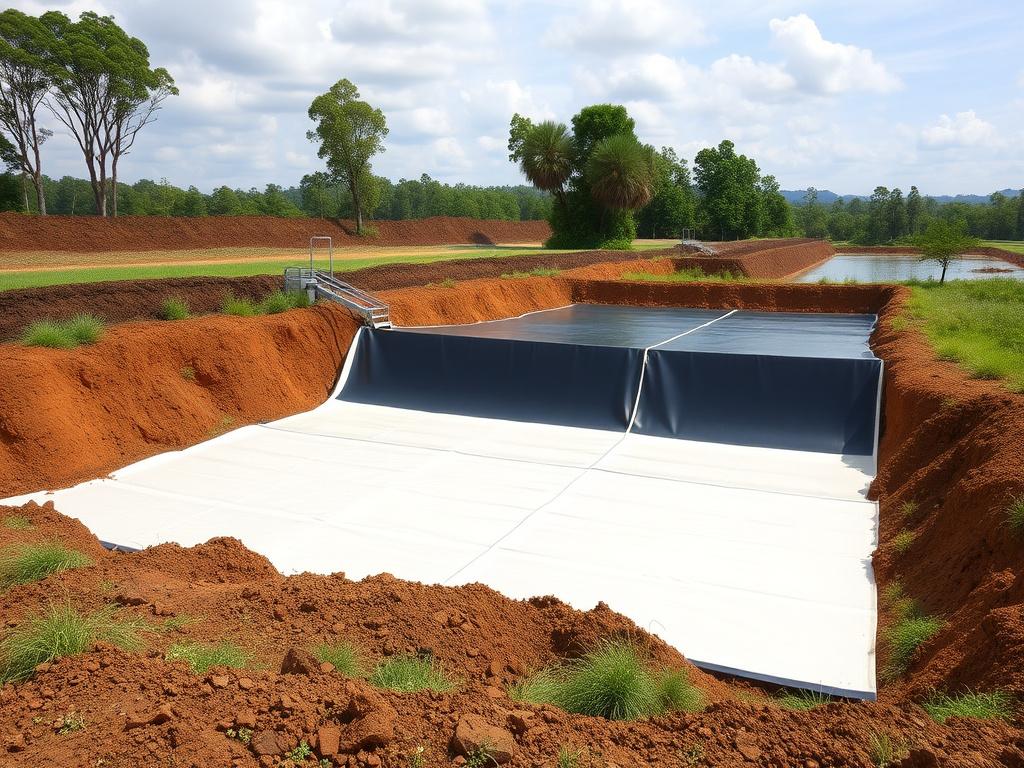
The geomembrane industry faces significant regulatory changes in 2025, pressing manufacturers, developers, and builders to adapt quickly. Success now depends on demonstrating measurable performance, maintaining traceable records from resin to installation, and verifying long-term system behavior. This shift reflects risk reduction and lifecycle thinking, recognizing that geomembranes protect critical environmental and community assets. Organizations that proactively align specifications, strengthen quality controls, and invest in training will meet requirements while gaining schedule certainty and cost predictability.
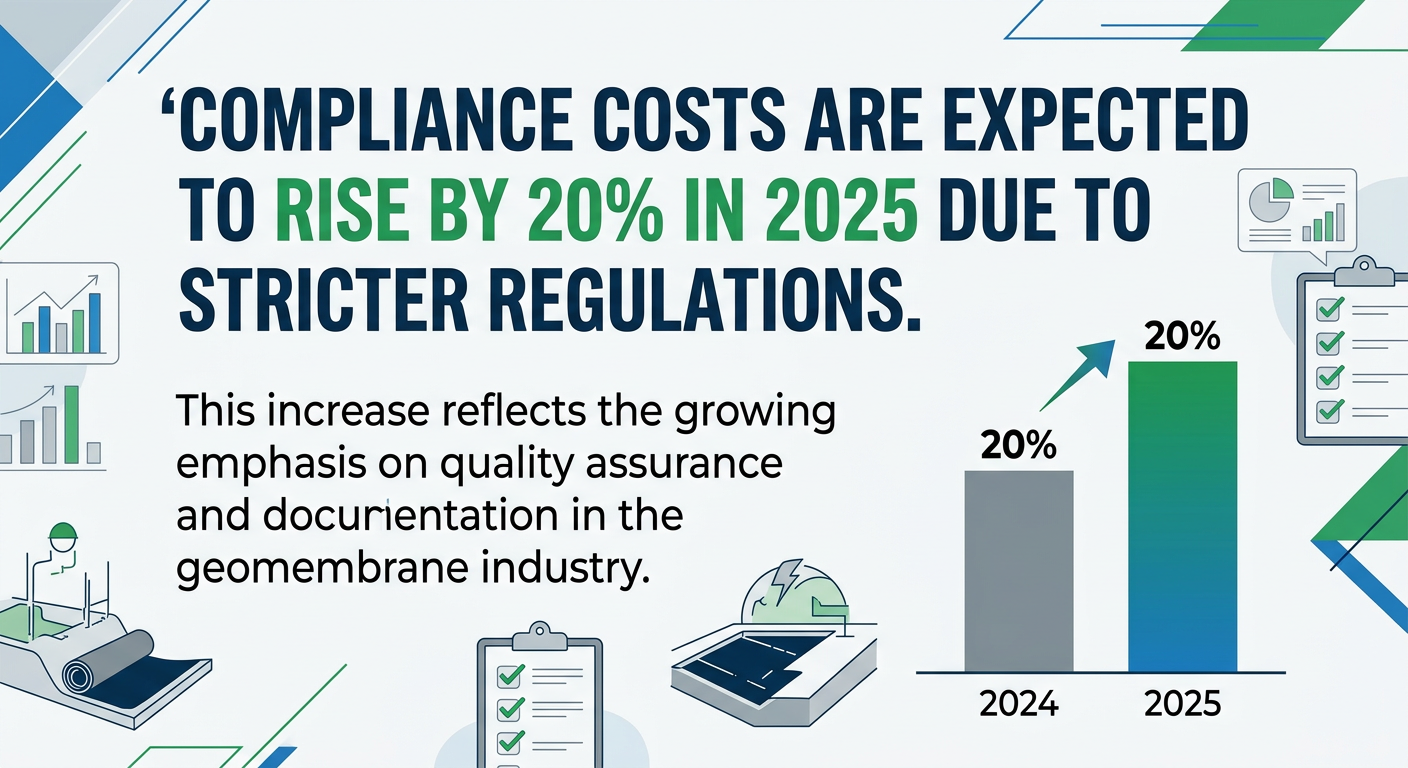
2025 Regulatory Changes: A Summary
Regulations taking effect in 2025 deliver a comprehensive update to standards, prioritizing environmental safety and stronger, more durable geomembranes. Global bodies are tightening rules to improve compliance and sustainability across infrastructure. Many updates close gaps by clarifying acceptance criteria, requiring third-party verification of key properties, and mandating traceability from batch to roll to installed panel. Several regions now encourage transparent reporting on embodied carbon and end-of-life strategies, with optional recycled-content pathways where performance is assured. For owners, the result is a more consistent baseline, fewer submittal ambiguities, and clearer expectations for long-term monitoring.
For example, the European Union’s updated Waste Framework Directive and the United States Environmental Protection Agency’s revised guidelines require specific performance metrics—tensile strength, puncture resistance, and permeability ( bpmgeosynthetics.com )—reflecting a broader global focus on conservation ( 6wresearch.com ). In practice, this means stricter acceptance of material certificates, more detailed field quality control, and greater use of independent auditing. Agencies are also aligning around durability indicators such as oxidative resistance, stress crack resistance, and UV stabilization to predict performance under real-world temperatures and chemical exposures. While requirements vary by jurisdiction and project type, the direction is consistent: demonstrate reliability through data, not assumptions.
Impact on Infrastructure and Environmental Projects
These updates will strongly influence infrastructure development—especially in waste management, mining, and water conservation. Budgets are being recalibrated for enhanced QA, expanded testing, and more rigorous documentation. Designers are reassessing anchor trenches, ballasting, and protection layers to withstand more frequent extreme weather events. Emerging applications—like floating solar reservoirs, secondary containment, and stormwater ponds—now face clearer expectations for leak detection and ongoing inspection. Early planning and cross-discipline coordination have become essential for on-time approvals.

Waste Management
Regulations such as the updated Resource Conservation and Recovery Act in the United States require more robust landfill lining to minimize leachate seepage, encouraging selection of chemically resistant, durable materials like HDPE ( ecogeomat.com ). Changes to public notice and permitting—such as those in Texas—also shape project planning and execution ( environmentallawandpolicy.com ). Greater emphasis on composite liner performance (geomembrane over geosynthetic clay liner or compacted clay) heightens focus on interface shear strength, cover soil selection, and slope stability. Operators are being asked to document leachate head levels, drainage layer capacity, and leak detection outcomes more frequently, driving robust CQA and reliable as-builts. For hazardous or special wastes, double-liner systems with enhanced monitoring are increasingly standard, with post-closure plans reviewed earlier in design.
Mining and Water Conservation
In mining, where geomembranes contain tailings and leach solutions, new standards push for higher performance from materials like LLDPE due to flexibility across variable temperatures. A similar shift is underway in water conservation, where reservoirs and canals deploy geomembranes to reduce seepage and erosion ( 6wresearch.com ). Heap leach facilities must more rigorously demonstrate chemical compatibility, thermal stability under solar loading, and seam performance under cyclic wetting and drying. In cold or high-altitude climates, specifications tighten around installation temperature windows and procedures to limit thermal stress and wrinkling. For potable water and irrigation reservoirs, regulators scrutinize material safety, taste and odor impacts, and UV resistance, while encouraging electrical leak location testing before water loading. Designers respond by pairing liners with protective geotextiles, ballast systems that resist wind uplift, and details that minimize stress at penetrations and transitions.
Compliance Approaches for Geomembrane Projects
To navigate the 2025 landscape, companies need disciplined compliance strategies. Priorities include building a compliance matrix mapping project specifications to regulatory clauses, conducting pre-bid gap analyses to reveal cost and schedule impacts, and carrying contingency for enhanced testing and third-party verification. Early engagement with permitting authorities can shorten reviews and clarify documentation needs—from material certifications to field testing reports. Owners should also plan for digital recordkeeping that captures panel layouts, welder logs, daily reports, and photographs for quick retrieval during audits or future expansions.
Aligning with Standard Requirements
Ensure geomembranes meet standards such as GRI-GM13 (HDPE), GRI-GM17 (LLDPE), and relevant ASTM tests emphasizing tensile strength and puncture resistance ( bpmgeosynthetics.com ). Specify minimum thicknesses suitable for the application, confirm resin density and melt flow index targets, and set acceptance criteria for carbon black content and dispersion to ensure UV durability. Align field seam shear and peel criteria with laboratory validations. Where local rules require conformity labels or manufacturer declarations of performance, provide complete submittals traceable to production lots. A clear, current specification tied to GRI and ASTM practices reduces interpretation disputes and streamlines procurement.
Conducting Advanced Material Testing
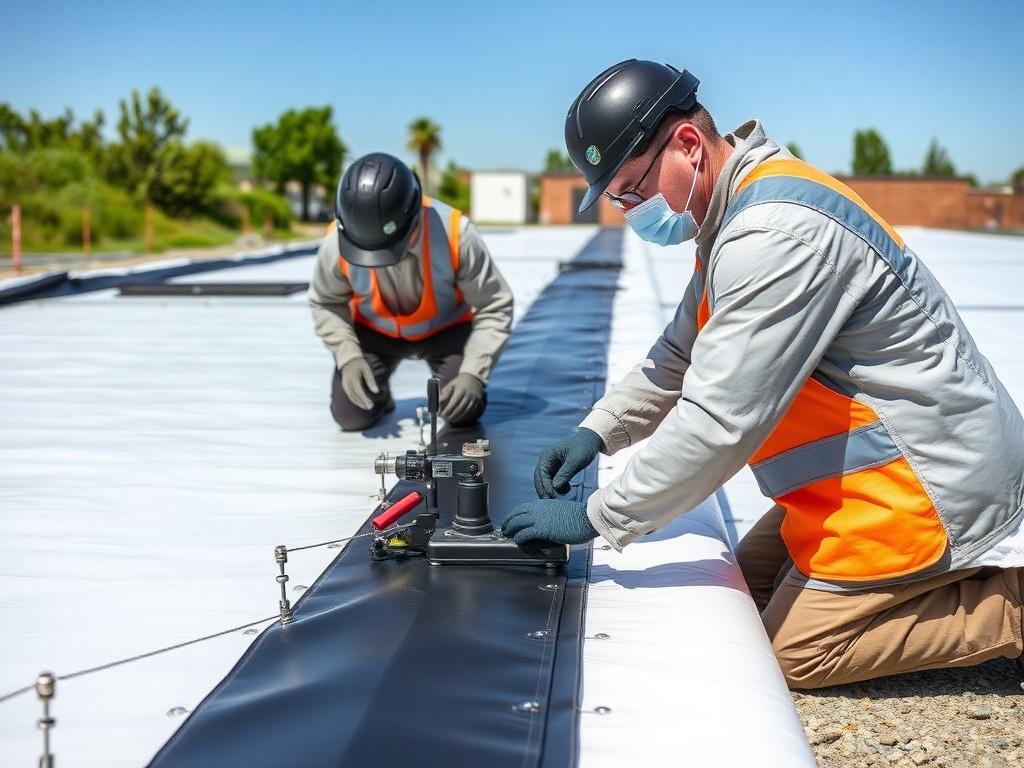
Regularly test for raw material purity, tensile strength, and chemical resistance to confirm adherence to standards and reduce compliance risk. Independent third-party assessments enhance credibility ( civillayer.com ). Include durability indicators such as oxidative induction time (standard and high-pressure), environmental stress crack resistance, and puncture resistance to validate long-term performance. Establish lot-based sampling frequencies for index properties and document chain-of-custody for samples to accredited labs. In the field, use trial seams each shift, air channel pressure tests for dual-track fusion welds, and vacuum box testing for extrusion welds. Where feasible, electrical leak location methods provide a powerful final check before cover placement, reducing remediation costs by catching defects early.
Environmental Review and Risk Management
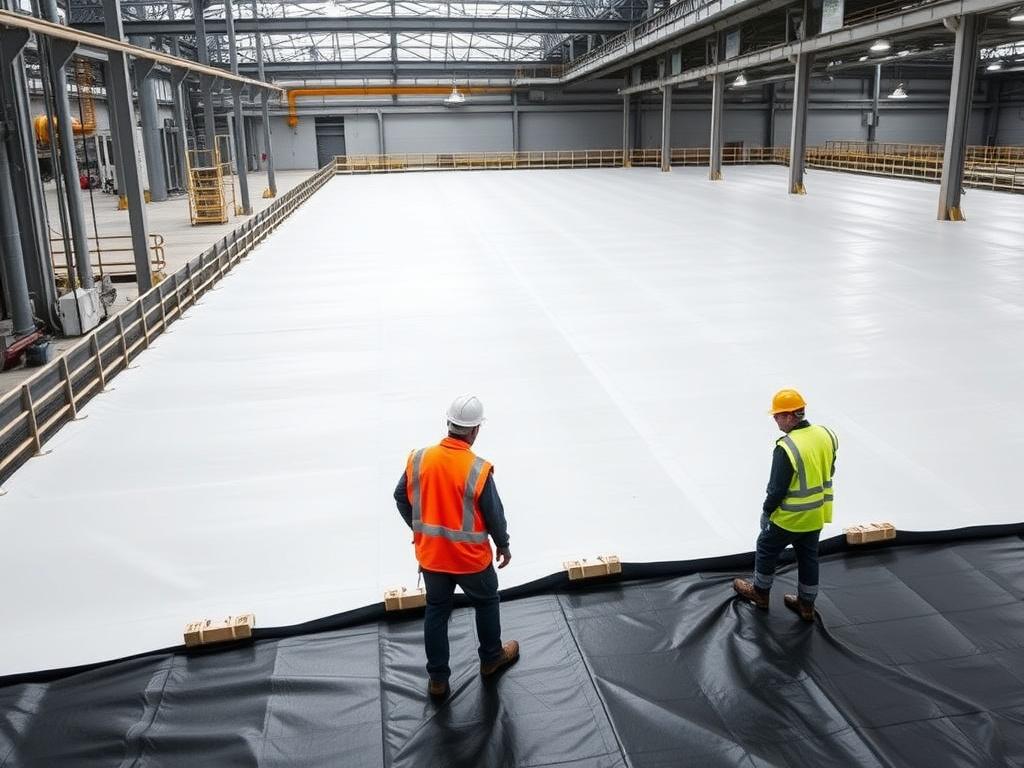
Conduct environmental reviews to evaluate site-specific risks and adjust specifications accordingly ( ecogeomat.com ). Integrate geotechnical and hydraulic assessments to verify subgrade stability, bearing capacity, and drainage performance, and use interface shear testing to inform slope angles and cover soil selection. Consider temperature ranges, wind exposure, and solar loading when selecting resin, thickness, and anchorage details that resist uplift and thermal stress. Address operational risks—differential settlement, equipment traffic, chemical spills—through protective geotextiles, ballast, and reinforced penetration details. Maintain a living risk register with owners, timelines, verification steps, and contingency plans for adverse weather or supply disruptions.
Training and Operational Excellence
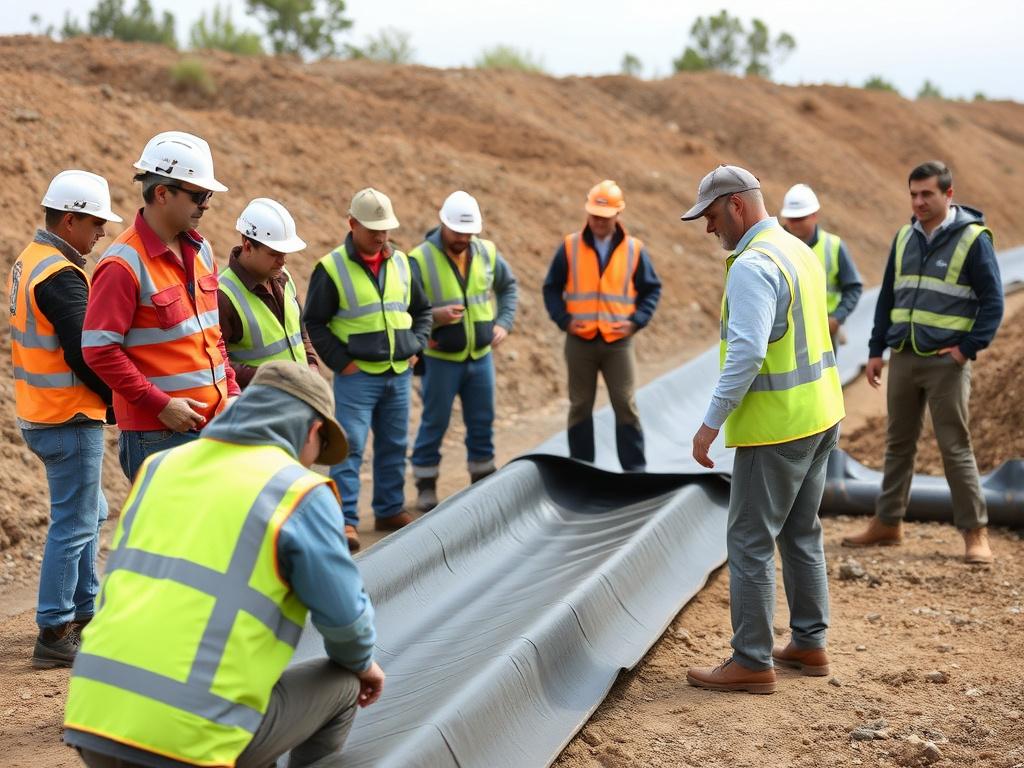
Invest in training so installers and project managers align practices with current regulations, reducing risks from improper installation ( civillayer.com ). Prioritize certified crews with experience in similar materials and climates, and require equipment calibration records and welder qualifications before production seaming. Set clear weather limits for seaming and cover placement, enforce housekeeping standards that prevent liner damage, and log temperatures, wind speeds, and seaming parameters daily. Digital CQA tools that geotag photos and link them to panel numbers simplify audits and future troubleshooting. Pre-start meetings and toolbox talks focused on safety, protection of finished work, and reporting requirements help build a culture of compliance.
How GPF Aligns with 2025 Regulations
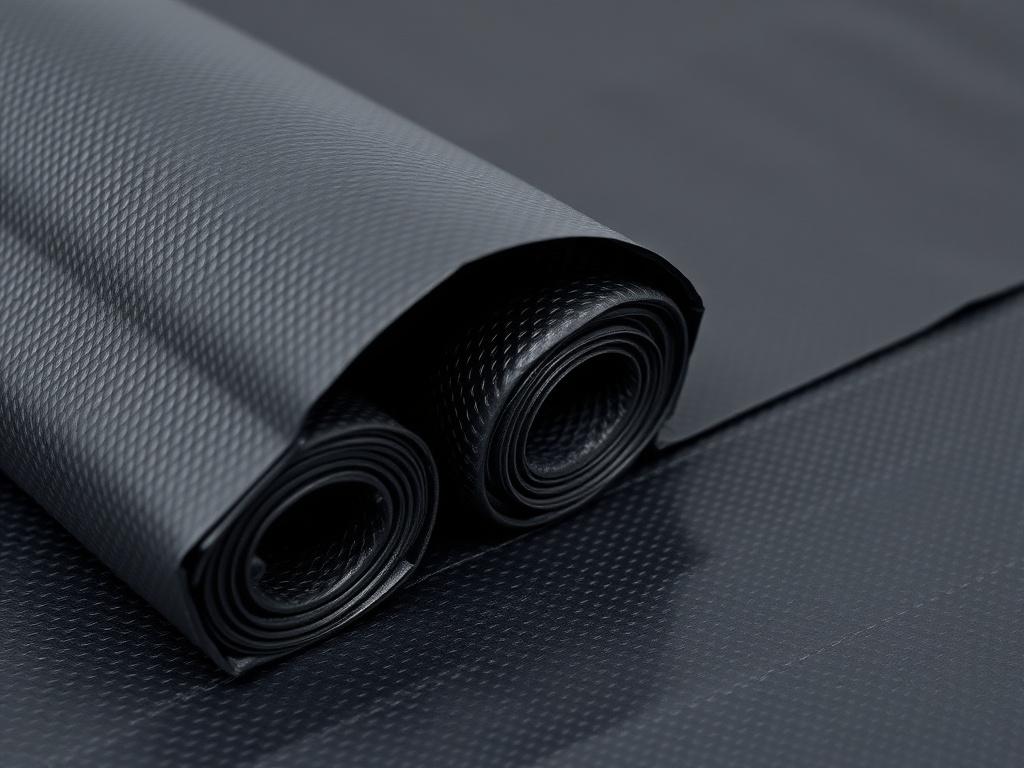
GPF is committed to exceeding regulatory expectations with high-performance HDPE and LLDPE geomembranes tested against global benchmarks for durability and environmental protection. We emphasize resin selection, carbon black dispersion, and stabilization systems to deliver consistent performance in UV-intense and chemically aggressive environments. Every production lot includes comprehensive quality documentation and traceability, helping owners and contractors close out submittals confidently. For specialized needs—greater flexibility, enhanced puncture resistance, or potable-water compatibility—our technical team collaborates with designers to match product grades to site conditions and regulatory expectations.
By staying ahead of compliance trends, GPF addresses current requirements while advancing environmental safety and material performance. We support independent verification via accredited laboratory partnerships, provide guidance on CQA plans and field testing protocols, and share best practices for panel layouts, seam details, and protection layers. To help clients meet sustainability goals, we are improving manufacturing energy efficiency and developing transparent product data to support lifecycle assessments. Our commitment extends beyond delivery: we assist with pre-construction meetings, offer installer training resources, and remain available during operations to advise on inspections, repairs, and expansions so assets remain compliant throughout their service life.
Conclusion
The 2025 regulatory changes mark a pivotal moment for geomembrane use across industries. Preparedness and strategic alignment with evolving standards will support compliance, strengthen project outcomes, and reinforce sustainable environmental practices. Treat compliance as a project-wide discipline—starting with clear specifications and supplier vetting, continuing through rigorous material and field testing, and culminating in thorough as-built documentation and operator training. Owners who plan for electrical leak checks, robust protection layers, and routine inspections typically see lower lifecycle costs than those who aim for minimum acceptance. As extreme weather and public scrutiny increase, reliable containment and water conservation are not just regulatory obligations—they are business imperatives.
For more information on how our products align with the upcoming regulations, visit our website at gpf.ltd . Our team can review your specifications, provide data sheets and sample submittal packages, and suggest practical testing and documentation plans tailored to your site and permitting pathway. Early collaboration often uncovers opportunities to streamline approvals, protect schedules, and reduce rework, helping you deliver compliant, resilient projects with confidence.