
Innovative Geomembrane Uses in Dry Infrastructure
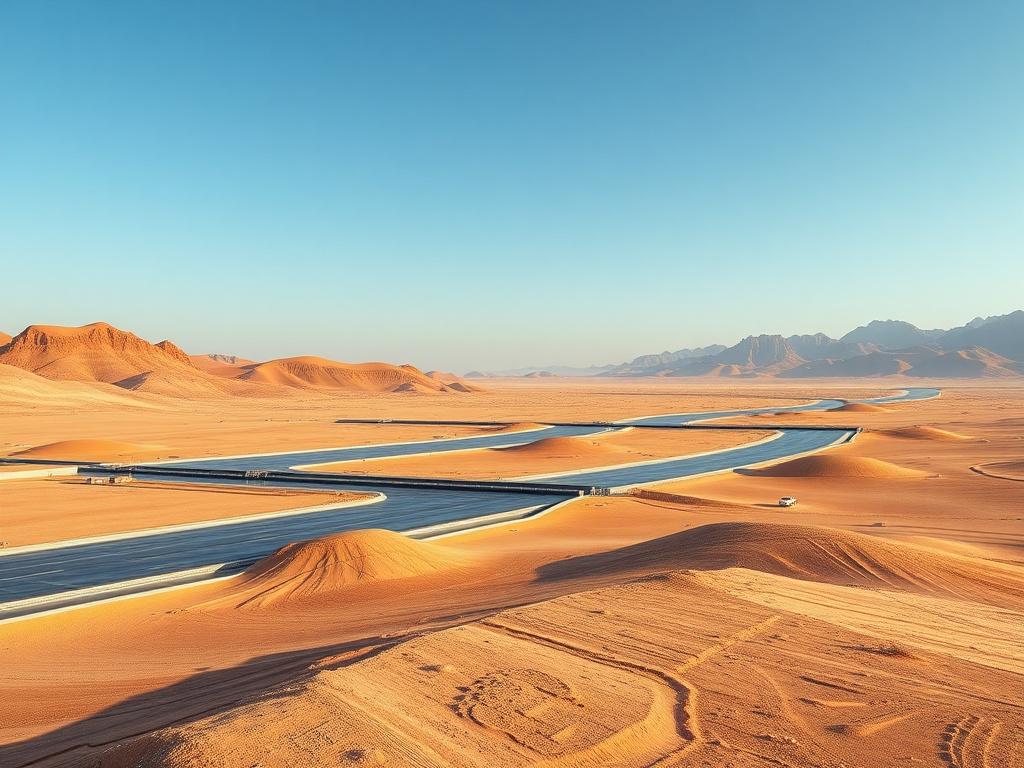
In construction and industrial scenarios, especially in dry and desert climates, geomembranes have become crucial for conserving resources and maintaining structural soundness. Due to their adaptability and longevity, these specialized geosynthetics provide creative solutions to tackle urgent environmental issues. In essence, a geomembrane is a polymeric sheet—commonly made from HDPE, LLDPE, fPP, or PVC—engineered to deliver a highly reliable barrier against fluid and gas migration. When correctly specified and installed, these liners drastically curtail seepage, protect groundwater, and extend the life of critical assets such as reservoirs, evaporation ponds, canals, and waste containment facilities. Their contribution goes beyond engineering: in water-stressed regions, every liter conserved supports food security, public health, and economic stability. This article explores advanced uses of geomembranes in dry infrastructures, showcasing real-world instances, technological progress, and compliance with local rules. It also highlights how thoughtful design, rigorous quality assurance, and attention to local climate and soil conditions transform a simple polymer sheet into a central component of resilient, low-carbon infrastructure systems.
Challenges in Dry Environments
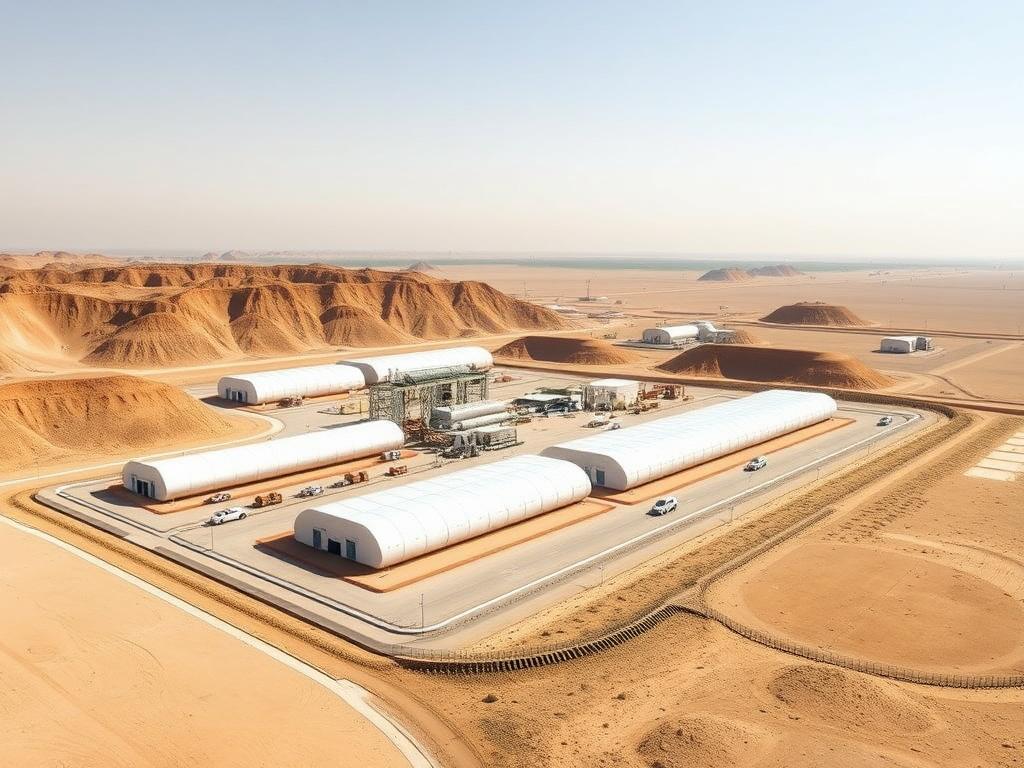
Dry regions, characterized by extreme temperatures, limited water, and unique soils, present significant challenges for infrastructure development. Main issues include managing water scarcity, controlling soil erosion, and ensuring structural stability amid unpredictable climate patterns. Intense solar radiation and heat can accelerate material aging, widen thermal expansion and contraction cycles, and create wind uplift forces that threaten poorly ballasted liners. Aeolian sands abrade exposed surfaces, while saline or chemically aggressive groundwater can complicate containment. Many desert soils are collapsible or expansive, leading to differential settlement that stresses conventional rigid linings. Logistics compound the complexity: remote sites may lack skilled labor, easy access to construction water, or reliable power for welding equipment and quality control testing. In these conditions, geosynthetics—especially geomembranes—are crucial for safe fluid containment and enhancing infrastructure durability. Properly textured for interface friction, protected with cushion geotextiles, and anchored against wind, they help projects reduce seepage, stabilize soils, and maintain performance across large temperature swings, all while minimizing the need for scarce construction materials like concrete and compacted clay.
Case Studies of Successful Geomembrane Implementations
1. Umm Wu’al Phosphate Project, Saudi Arabia
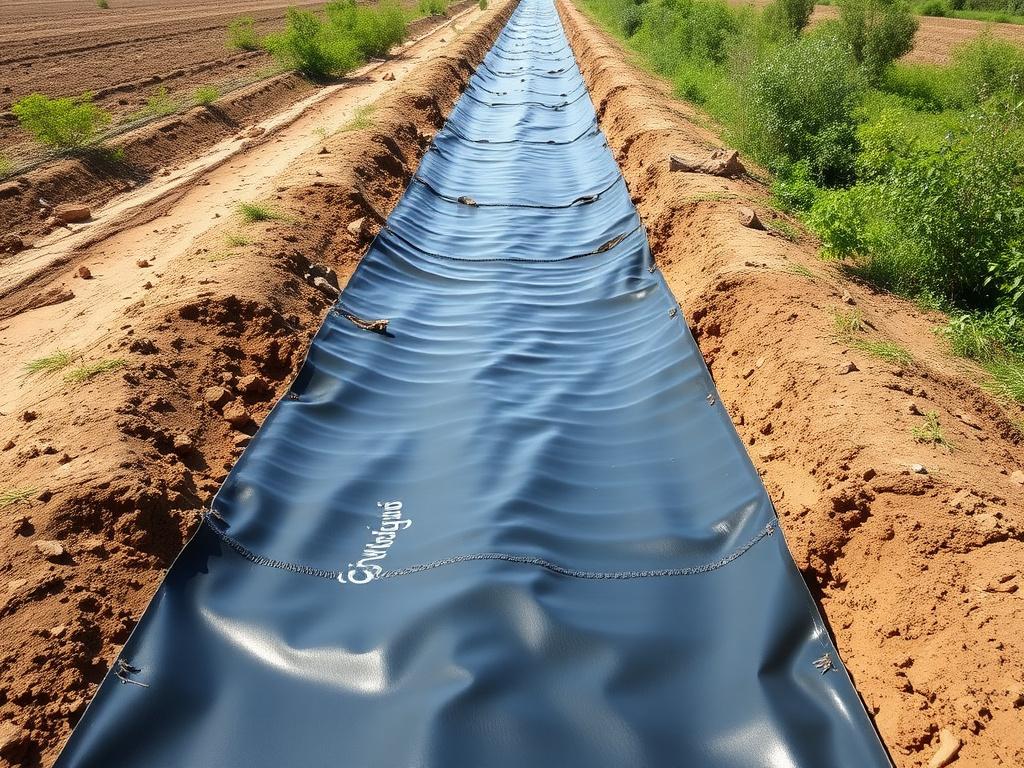
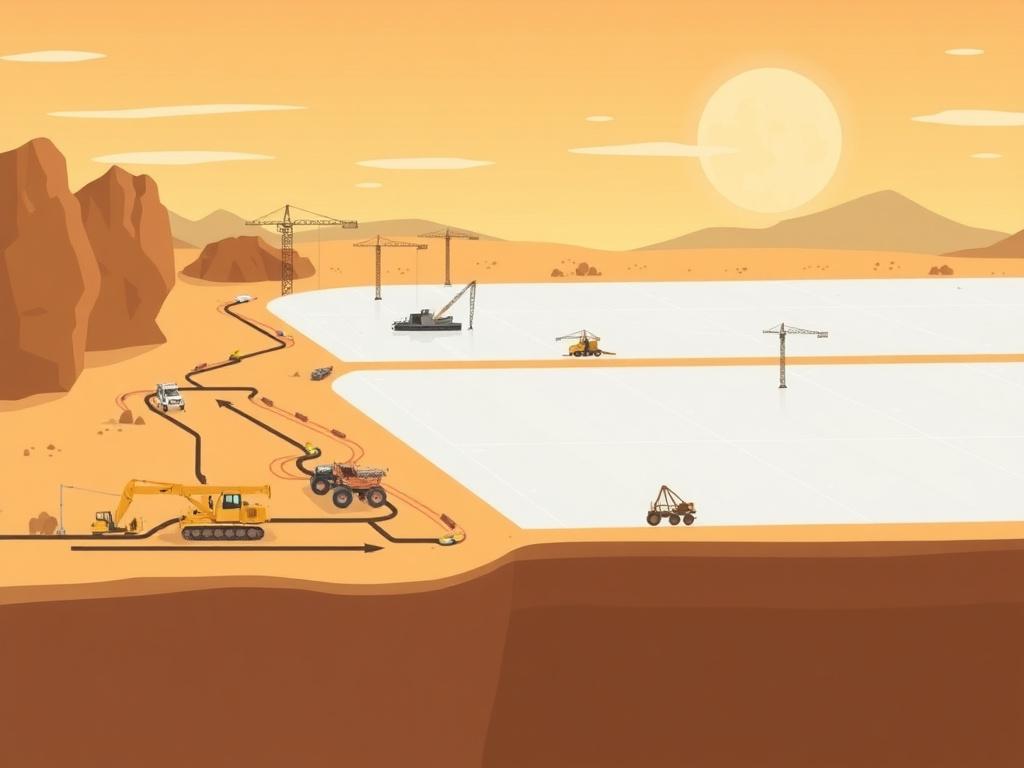
The Umm Wu’al Phosphate Project is a large-scale mining initiative where geomembranes were integral to the infrastructure. Using GSE HD FrictionFlex geomembranes , the project effectively contained highly toxic tailings in challenging conditions. This double-sided textured geomembrane was chosen for its dependability in maintaining a stable barrier against environmental leaching and supporting long-term environmental safety. The texture enhances interface shear strength on steep embankments, helping the liner system resist sliding during filling and seismic events. In practice, the barrier works as part of a multi-layer system that can include a subgrade prepared to stringent smoothness criteria, a geosynthetic clay liner or compacted clay layer, a leak-detection geonet, and a drainage composite to channel fluids to sumps for controlled removal. High ambient temperatures required careful seam welding windows, robust antioxidant packages in the resin, and white-surfaced or dust-cool strategies to manage liner heat during installation. Rigorous construction quality assurance—such as trial seams, peel and shear testing, vacuum box and air channel tests—helped confirm weld integrity. The result is a durable containment solution that reduces seepage, facilitates process-water recirculation, and aligns with regional environmental mandates, all while demonstrating cost and schedule advantages in a remote, arid setting.
2. Boosting Water Use Efficiency in Dry Agricultural Canals
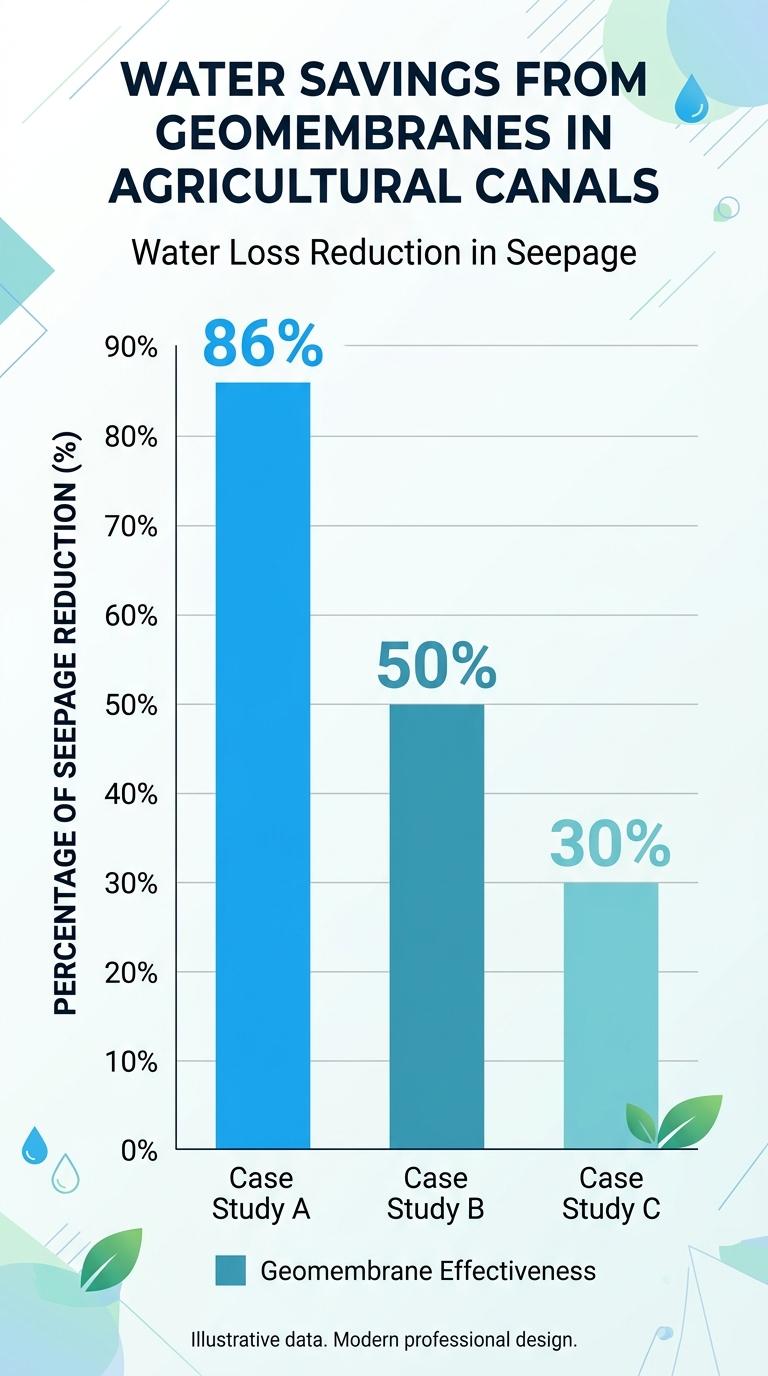
A study indicates that lining canals with geomembranes can greatly reduce water loss from seepage, enhancing water use efficiency in agricultural regions. According to research , using a geomembrane with concrete reduced seepage by up to 86%, highlighting its vital role in sustainable water resource management. In many canals, concrete alone cracks because of shrinkage, differential settlement, or expansive subsoils; water then escapes through joints and microfissures. A composite lining—geomembrane beneath concrete, often with a protective geotextile—pairs the low-permeability barrier of the polymer with the wear resistance and hydraulic smoothness of concrete, dramatically cutting losses while maintaining serviceability for decades. Beyond saving water, reduced seepage lessens unintended waterlogging and soil salinization in adjacent fields and decreases the energy needed to pump make-up water. Designers frequently select HDPE or LLDPE based on desired flexibility and thermal response, and incorporate anchor trenches, batten bars at structures, and UV-stabilized exposed sections where needed. For operations teams, the benefits show up as higher delivery efficiency, more predictable flows, and simplified maintenance—advantages that compound annually in regions where each conserved cubic meter can support additional hectares under irrigation.
3. Transforming Infrastructure on I-35, Oklahoma
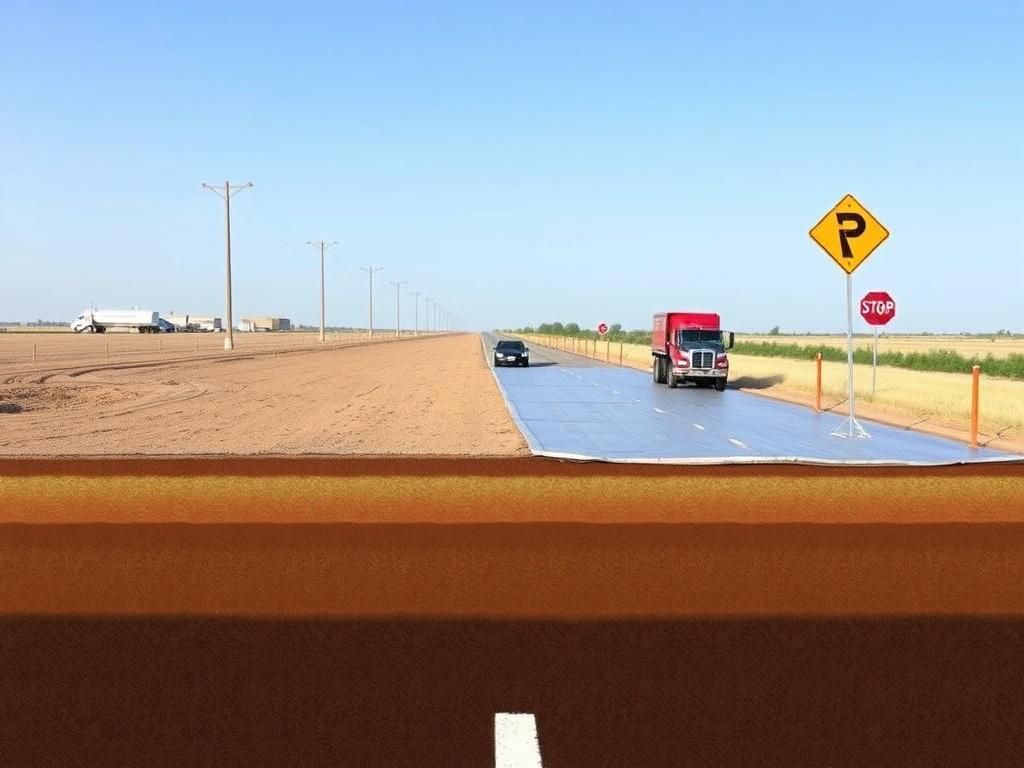
Problematic soil conditions along a key stretch of Oklahoma’s I-35 have been a long-standing issue. Here, geomembranes served as moisture barriers to mitigate the effects of swelling clay soils. The installation of AquaMaster NovaLiner effectively stabilized the subgrade, demonstrating the significance of geomembranes for infrastructure resilience—even in non-dry regions facing similar soil challenges—as reported by Geosynthetics Magazine . Expansive clays containing smectite minerals undergo volumetric change as moisture fluctuates; limiting moisture ingress beneath pavements reduces heave, rutting, and cracking. Moisture-barrier geomembranes, used with drainage layers and stabilized base courses, create a controlled moisture environment that preserves pavement smoothness and extends rehabilitation intervals. Attention to detailing—sealing around culverts, underdrains, and utility penetrations—keeps the barrier continuous. For departments of transportation, this approach can cut life-cycle costs by reducing patching and overlays, while improving ride quality and safety. The I-35 experience underscores a broader lesson for arid and semi-arid areas: even where annual rainfall is modest, intermittent storms can dramatically alter subgrade moisture; proactively managing that movement with geosynthetic barriers can yield durable, cost-effective pavements.
Advancements in Geomembrane Materials and Technologies
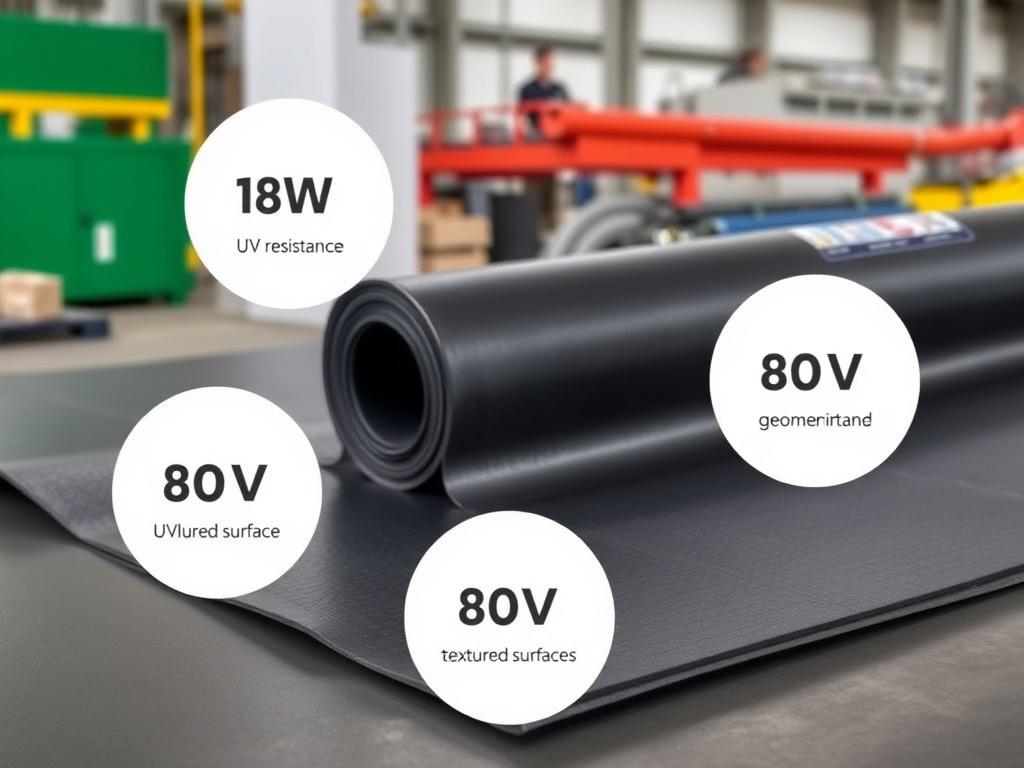
To meet the demands of dry and desert environments, geomembranes have progressed significantly. UV resistance and thermal stability are essential, as is consistent performance across wide temperature ranges. Advances in HDPE geomembranes have improved flexibility, making them better suited to shifting ground conditions and reducing installation complexity and cost. Modern formulations use bimodal resins for enhanced stress-crack resistance, carbon black for UV shielding, and antioxidant packages to delay oxidative aging. Coextruded white-on-black configurations can lower surface temperatures, reducing thermal wrinkles and improving worker safety during installation windows. Textured surfaces improve interface friction on slopes, while conductive-backed liners enable spark testing to rapidly verify seam continuity and detect pinholes or damage. Wider roll widths minimize the number of field seams, speeding production while maintaining quality. Seam technologies—dual-track hot-wedge welding with on-the-fly air-channel testing—deliver high confidence in bond strength even under desert thermal cycles. Collectively, these advances translate into longer design lives, simpler construction, and improved risk management for owners and regulators alike.
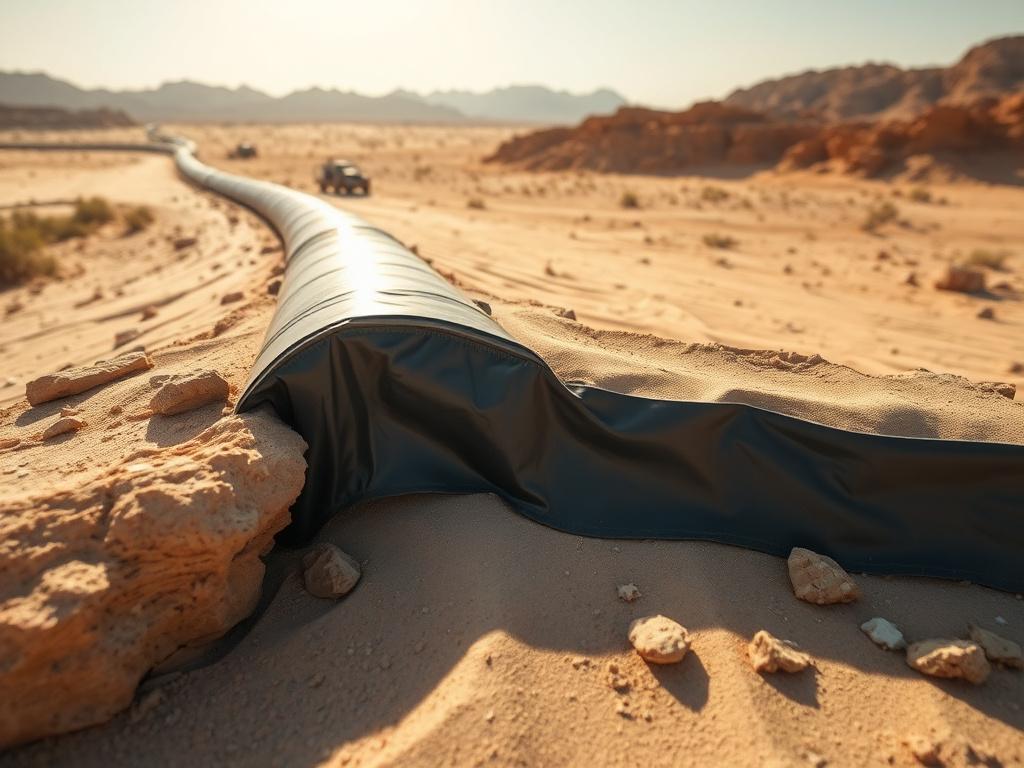
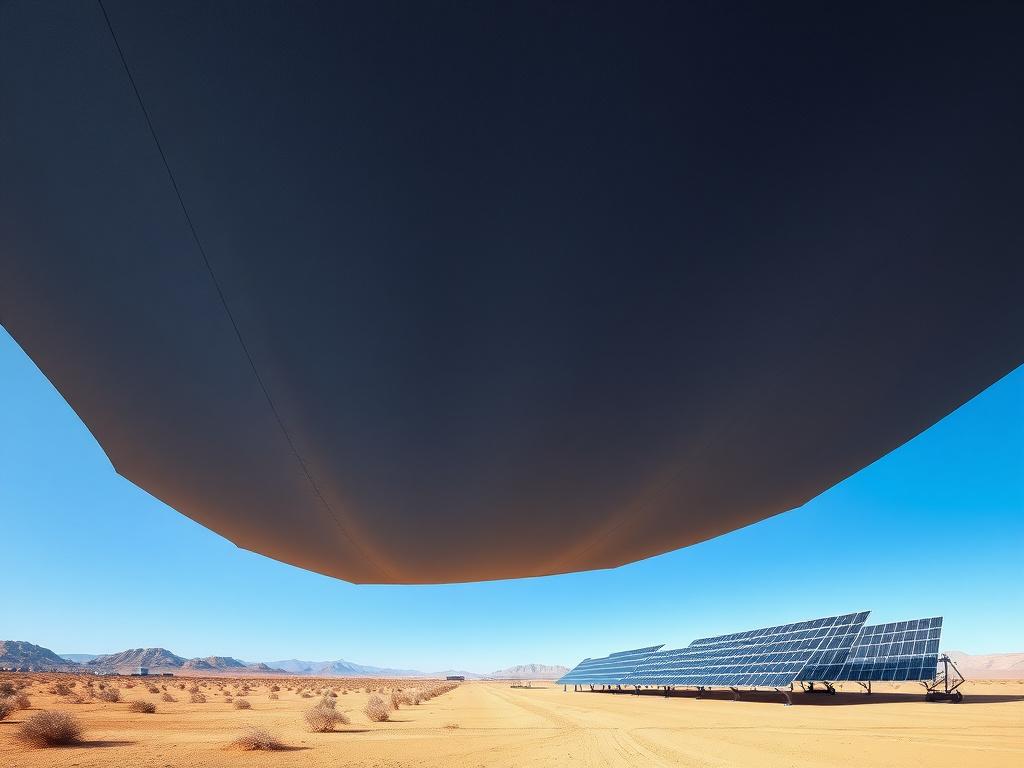
Moreover, innovative geomembranes featured in a new case study involving photovoltaic water channels in Chile showcase the strong potential of HDPE as an alternative to concrete, enhancing project feasibility and sustainability. ( Source ) In remote terrains, transporting cement and aggregate, setting forms, and curing concrete impose schedule, cost, and water penalties. Prefabricated HDPE panels, by contrast, are lightweight, quick to deploy, and require minimal water for construction. When paired with solar shade structures or canal-top photovoltaic arrays, lined channels can further reduce evaporative losses and lower algae growth, while generating renewable energy for pumps and controls. Integrating geomembranes with geocomposites for underdrainage, geotextile cushions for puncture resistance, and geogrid reinforcement where slopes demand it creates robust, multi-functional systems. New digital tools—drones for as-built documentation, thermography to locate heat signatures at seams, and GPS-enabled panel layout—streamline quality control. As owners pursue lower embodied carbon, the ability of polymer liners to replace thick concrete sections, while meeting hydraulic and durability requirements, is gaining strategic importance in water-scarce regions.
Integration of Local Regulations and Strategies
Adhering to local regulations is crucial when implementing geomembranes in infrastructure projects. Saudi Arabia’s stringent environmental safety standards require careful planning and strict adherence to guidelines, ensuring that geomembrane applications meet immediate infrastructure needs and align with broader sustainability goals. Designs commonly reference international specifications—such as GRI GM13/GM17 for HDPE and LLDPE, ASTM and ISO test methods for resin and seam properties, and electrical leak location protocols—while being adapted to the permitting frameworks of local authorities. Successful projects develop comprehensive construction quality assurance plans, define acceptance criteria for subgrade preparation, require certified welders, and schedule third-party testing for destructive and non-destructive seams. In arid settings, work sequencing accounts for heat stress management, wind controls to prevent liner uplift, and dust abatement to protect weld surfaces. Community and stakeholder engagement is equally important: alignment with water rights, protection of culturally sensitive sites, and transparent contingency measures for extreme weather events build long-term trust. Finally, owners increasingly evaluate end-of-life strategies, including repairability, potential recycling, and safe decommissioning, so that today’s containment solutions remain responsible choices over their full lifecycle.
Conclusion
Geomembranes are transforming construction and industrial applications in dry environments. From reliable fluid containment to stabilizing infrastructure under environmental extremes, their innovative uses support sustainable development. The most resilient outcomes arise when material selection reflects site-specific soils, temperatures, and slopes; when designs incorporate protective and drainage layers that work as a system; and when rigorous installation and testing protocols verify performance before service. As these materials and technologies continue to evolve, applying them within local regulatory frameworks and site conditions will be key to ongoing success in addressing dry infrastructure challenges. Looking ahead, emerging trends—such as conductive liners for rapid integrity testing, reflective surfaces to mitigate heat, integration with renewable energy, and pathways to incorporate recycled content—promise even greater value. For more information on geomembrane solutions, visit GPF .