
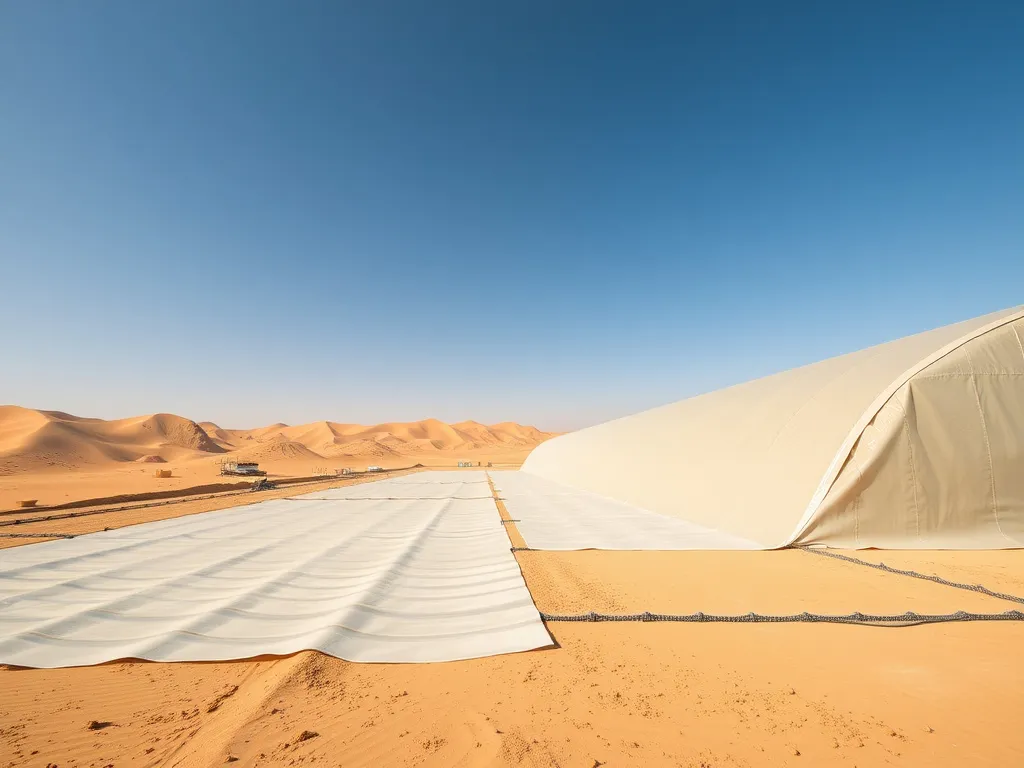
HDPE Sheets in Saudi Arabia: Thorough Insights and Applications
Understanding High-Density Polyethylene (HDPE) sheets in Saudi Arabia means knowing their applications, advantages, and market trends. Valued across construction, agriculture, and oil & gas for strength and sustainability, HDPE sheets are thermoplastic panels made by extruding or molding HDPE resin, combining stiffness with high impact resistance. Recyclable and locally available, they support circularity and Vision 2030 goals. From lining reservoirs to fabricating machine guards and protective barriers, their durability, safety, and cost control make them a preferred choice.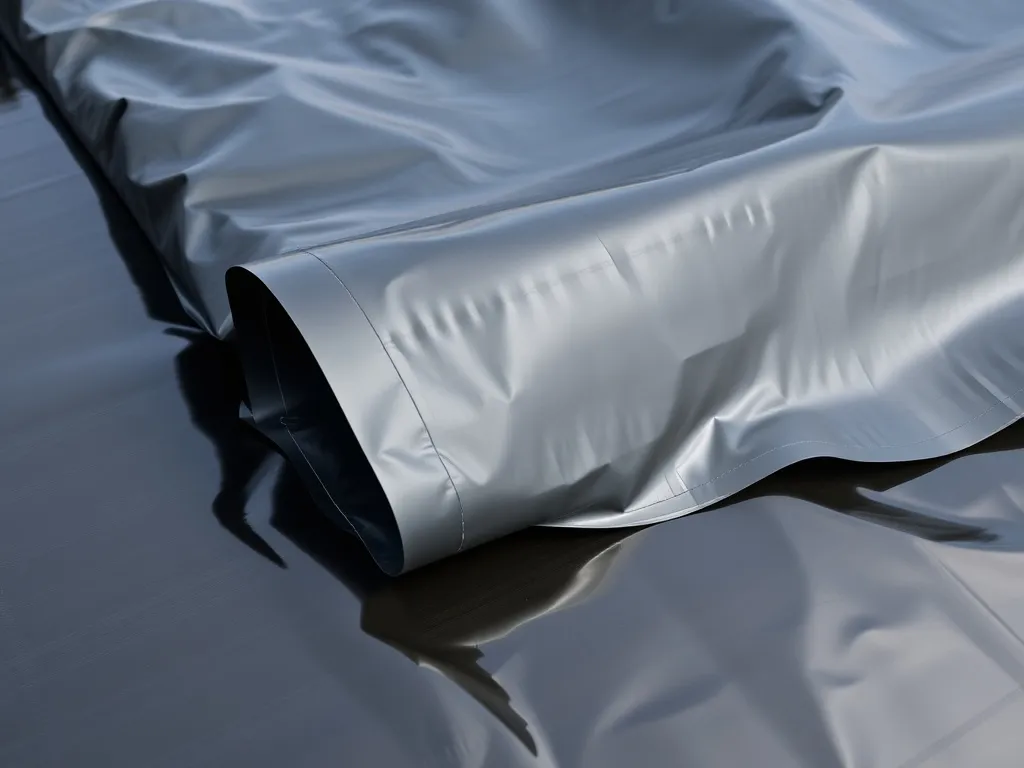
Saudi Arabia’s expanding infrastructure needs materials that are both cost-efficient and responsible. HDPE excels through toughness, chemical resistance, and adaptability. In the Kingdom’s hot, UV-intense, and often saline environment, it resists weathering and corrosion better than metals and many other polymers.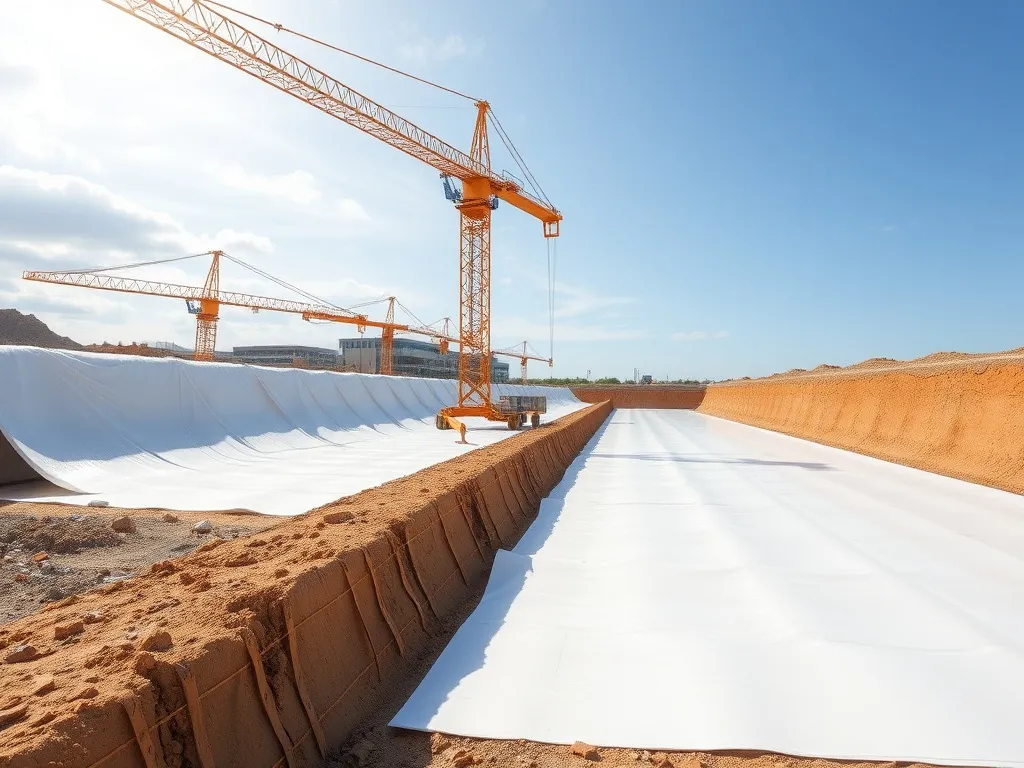 Its inertness reduces leaching for water and agriculture, while light weight and long service life lower total ownership cost by minimizing maintenance, transport, and installation demands.
Industrial growth has lifted HDPE demand.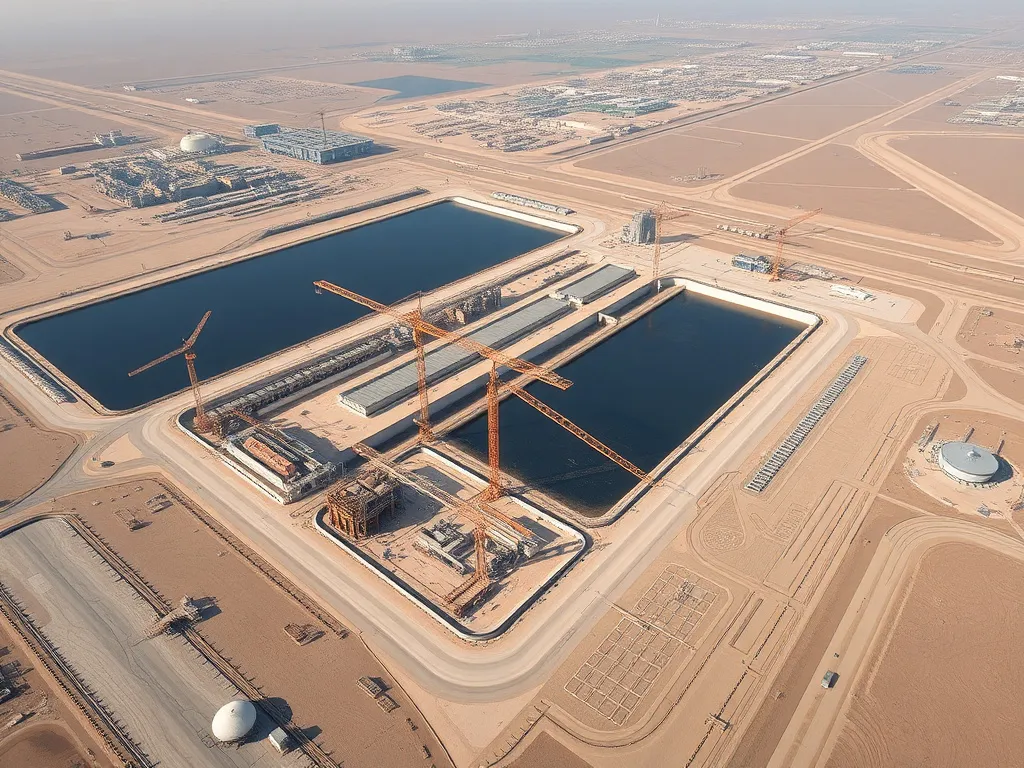 Prices track resin and oil, while megaprojects such as NEOM, Red Sea developments, and municipal upgrades expand use of geomembranes and liners. Procurement is shaped by resin availability, global shipping, exchange rates, and scheduled plant turnarounds. Seasonal construction cycles before cooler months can tighten lead times and affect delivery windows.
This article outlines cost drivers, supplier selection, and practical applications, with guidance on specifications and common pitfalls like thermal expansion and UV stabilization. The goal is faster, better procurement with strong compliance, quality, and long-term performance.
Understanding HDPE Sheets: Characteristics and Applications
HDPE sheets offer high impact strength, weather resistance, and low maintenance.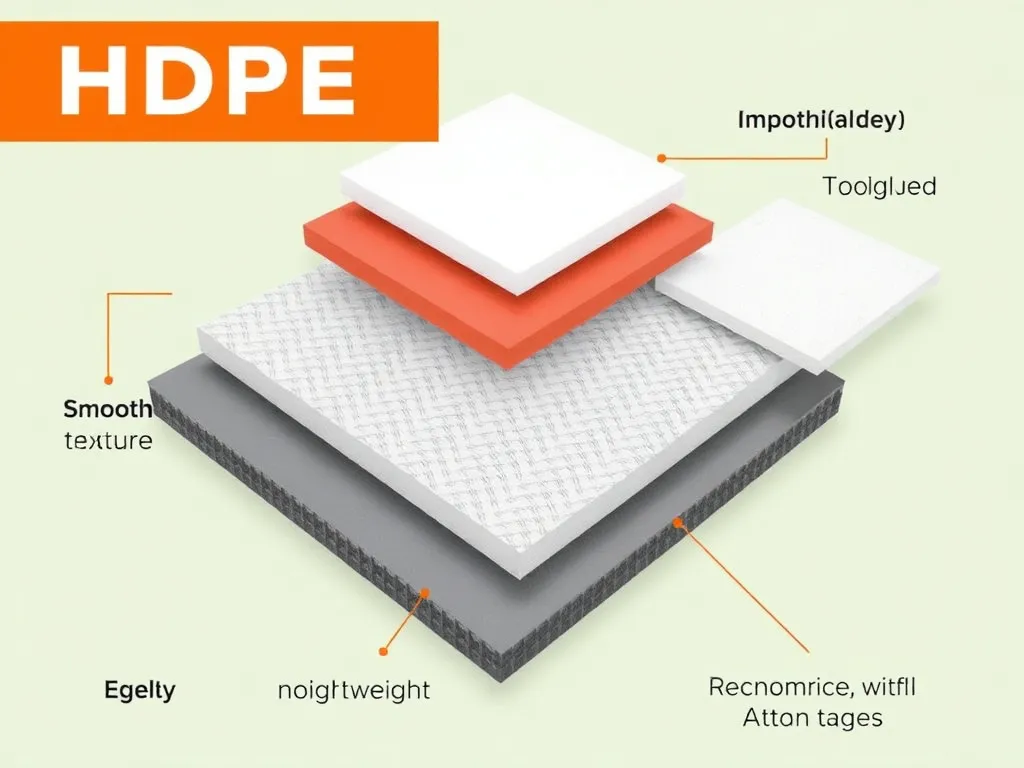 In Saudi Arabia they serve as geomembranes and liners in construction, water management in agriculture, and containment in petrochemicals. The polymer’s low water absorption, low friction, and broad chemical compatibility suit aggressive media and large temperature swings; UV-stabilized grades extend outdoor life. Beyond lining, uses include secondary containment, barriers, machine housings, and marine fender pads. Textured sheets increase friction on slopes; smooth sheets aid cleaning and welding.
Key Characteristics
- Toughness: HDPE withstands impact and resists crack propagation, handling point loads, abrasion, and installation stresses. Its ductility absorbs vibration and minor ground movement, reducing risk of brittle failure.
- Environmental Resistance: UV- and chemical-resistant grades perform in harsh climates. Carbon-black-stabilized black sheets slow UV degradation, while chemical inertness protects against saline groundwater, fertilizers, and common industrial chemicals.
- Lightweight: Low mass simplifies handling and speeds installation, lowering equipment needs and logistics costs, especially in remote locations.
- Economical: Competitive upfront cost plus long life, recyclability, and efficient welded coverage deliver strong lifecycle value with minimal waste.
Market Trends and Pricing Dynamics
HDPE prices fluctuate with resin and oil. In Saudi Arabia, steady domestic production and softer export demand have pushed offers lower price-watch.ai . Monitor ethylene availability, plant turnarounds, and freight; these quickly shift regional parity and the appeal of imports versus local supply. When freight tightens, domestic product often becomes more competitive even if global benchmarks rise.
For budgeting, note virgin grades cost more than recycled, which may slightly reduce performance. Bulk purchasing lowers unit cost. Large contracts can include index-linked adjustments to manage risk, and aligning orders with production slots helps secure lead times and avoid premium freight during peak seasons.
Choosing the Right HDPE Sheet
Selection starts with application needs: thickness, dimensions, and grade.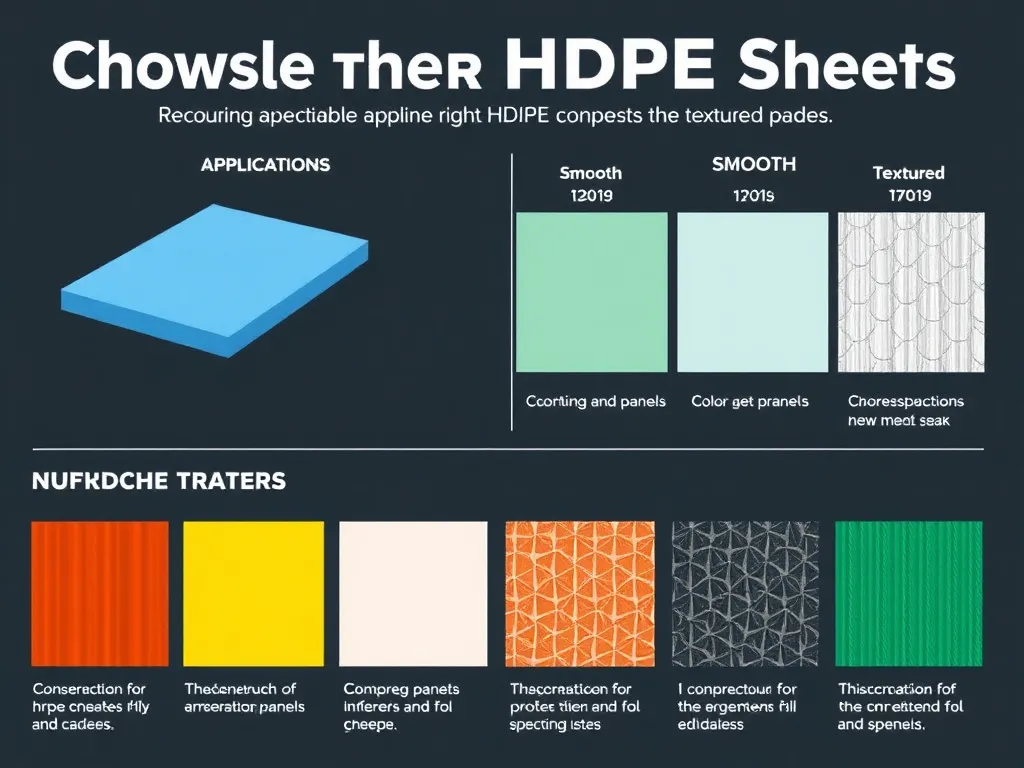 Virgin HDPE suits high-strength or marine uses; recycled grades fit non-structural tasks lidaplastic.com . Choose smooth surfaces for cleaning and welding, textured for slope friction. Use black for superior UV stability and light colors to limit heat buildup. For food or potable water, specify compliant grades. Decide on flat panels, prefabricated panels, or rolls, as format affects logistics, handling, and field welding.
Supplier Selection Guide
A capable supplier safeguards quality and customization. Prioritize experience in regional conditions, consistent thickness and flatness, and resin batch traceability. Quality programs should document tensile and elongation testing, oxidative induction time, and carbon black dispersion where applicable. Strong partners also advise on welding parameters, anchor trench design, and compatible accessories.
- Experience and Certification: Seek ISO 9001/14001/45001 frameworks and a proven track record. In Saudi Arabia, SASO/SABER familiarity and prequalification with major clients streamline approvals. Request material test reports, batch traceability, and compliance with standards such as ASTM methods and GRI-GM13 for geomembranes.
- Customization Options: Prefer suppliers offering varied thicknesses, roll widths, textured finishes, prefabricated panels, CNC cutting, and thermoforming. Availability of welding services, corner boots, and penetrations helps shorten installation while improving quality.
- Customer Support: Expect prompt technical submittals, clear installation manuals, and after-sales help with welding trials and leak testing. Reliable schedules, realistic lead times, and peak-demand contingencies reduce project risk.
Implementation in Industries
HDPE sheets are widely used in agriculture, construction, and oil & gas for their resistance and durability adcopipes.com . In agriculture, canal and reservoir linings curb seepage and protect water quality; smooth, inert surfaces aid hygiene in greenhouses and aquaculture. In construction and infrastructure, geomembranes support landfill caps, wastewater lagoons, evaporation ponds, tunnel waterproofing, and vapor barriers under slabs. In oil & gas and petrochemicals, they line berms, tank bases, and chemical storage areas to contain spills. Seams joined by hot-wedge or extrusion welding create continuous, watertight coverage suitable for large areas. Municipalities deploy HDPE-lined basins and channels for stormwater, and coastal works use HDPE components in splash zones where corrosion resistance is essential.
Best Practices and Tips
For optimal use of HDPE sheets, consider the following guidelines:
- Match sheet thickness and grade to loads, subgrade, chemicals, UV exposure, and slope conditions. Reference ASTM tensile and tear tests and oxidative induction time; use textured interfaces on slopes to achieve required safety factors.
- Use bulk purchasing and phased deliveries to cut unit costs and avoid storage damage. Standardize widths and panel sizes, and consider framework or call-off agreements to secure pricing and production priority.
- Collaborate early with suppliers on drawings, prefabricated panel shop drawings, welding procedures, and seam testing (e.g., air channel, vacuum box). Confirm quality documentation and ensure accessories and consumables arrive with the main shipment.
- Plan installation around temperature, logistics, and inspection. Allow for thermal expansion with anchor trenches or mechanical fixation, schedule welding in suitable weather, protect seams, and document subgrade checks, testing, and as-built records.
Conclusion: Leveraging HDPE Sheets for Sustainability
With broad applications and robust properties, HDPE sheets support Saudi Arabia’s industrial and environmental goals. By tracking market trends, choosing appropriate grades, and partnering with trusted suppliers, stakeholders can achieve durable, low-maintenance installations that reduce material turnover and waste. Recyclability at end of life furthers circular economy initiatives, while competent design and welding can deliver decades-long service in demanding desert conditions.
As the Kingdom expands its industrial base, HDPE sheets will continue meeting performance and sustainability targets. Engage expert suppliers and monitor market dynamics to maximize benefits. Pilot materials on small projects, refine specifications, and build preferred-supplier relationships that ensure predictable quality, delivery, and support. Over time, lower lifecycle costs, improved environmental performance, and higher reliability translate into measurable value for public and private sector projects alike.