

Mining Heap Leach Liners: Why HDPE Geomembranes Are Essential for Chemical Containment
Heap leaching extracts metals such as gold, silver, copper, and uranium by applying a leach solution to ore stacked on a geomembrane liner. The solution percolates, dissolves target metals, and is collected for processing. Because the process can affect soil and groundwater, dependable containment is non-negotiable. High-Density Polyethylene (HDPE) geomembranes form the working foundation of the pad, isolating operations from the subsurface and directing pregnant leach solution (PLS) to collection pipes and ponds for downstream recovery.
HDPE geomembranes offer exceptional chemical resistance, mechanical strength, and longevity, making them indispensable for heap leach pads. This article outlines why HDPE is the industry standard for containment, summarizes key features and benefits, and highlights best practices for design, installation, and maintenance. It also touches on complementary layers—drainage media, geotextiles, and leak detection—and notes evolving standards that help owners and engineers deliver reliable performance across climates and geologies.
Understanding Heap Leaching in Mining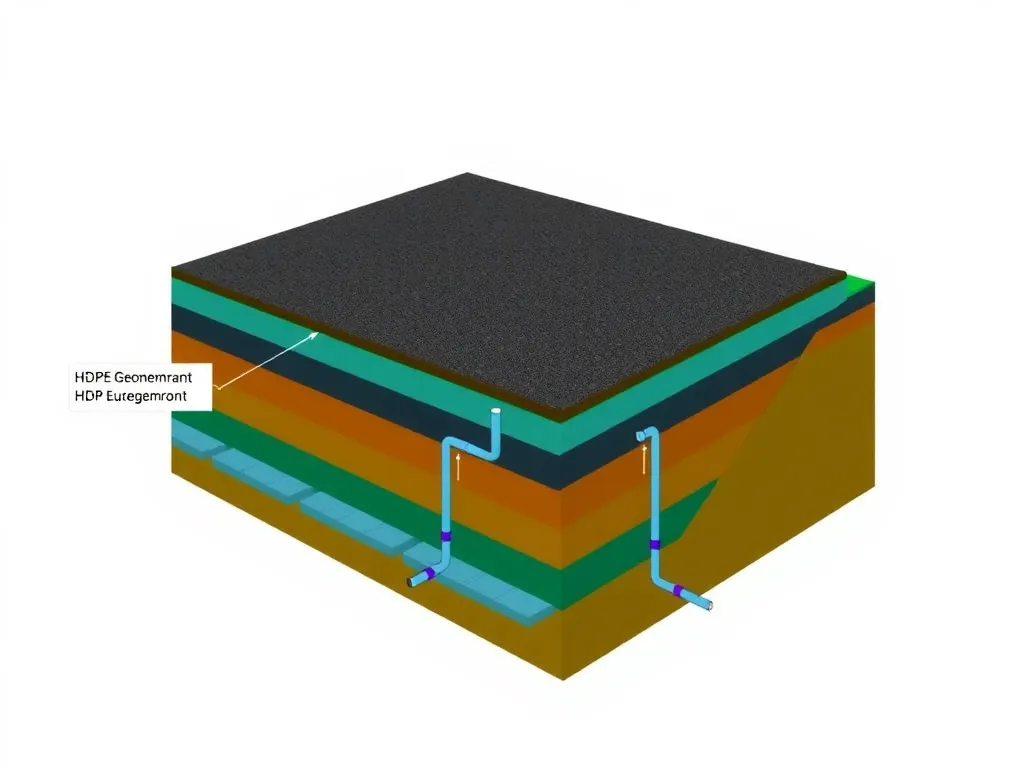
Heap leaching is a cost-effective hydrometallurgical method, especially for low-grade ores. Ore is stacked on a liner and irrigated so the solution percolates and dissolves valuable metals, which are collected at the base for processing. Application rates are controlled to promote uniform flow; agglomeration can improve permeability and solution distribution. Recovered solutions are typically processed through well-established circuits that close the loop between pad hydrology and metallurgical recovery.
The method carries environmental risk. Leachate—often containing cyanide or sulfuric acid—can contaminate groundwater if containment fails. Storms, freeze–thaw cycles, and seismic activity add stress, and concentrated chemical exposure near collection points can accelerate degradation in susceptible materials. Regulatory frameworks and voluntary codes increasingly require demonstrable containment performance and monitoring—requirements HDPE liners are well suited to meet.
The Role of HDPE Geomembranes in Chemical Containment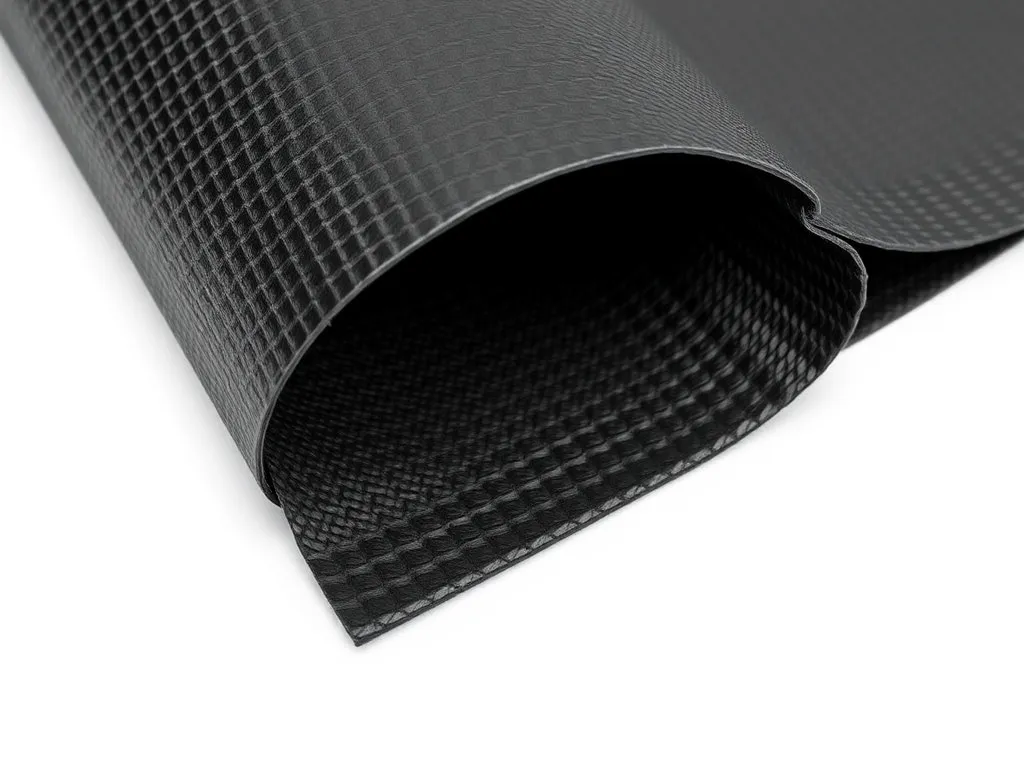
HDPE geomembranes are preferred for heap leach liners because of several key characteristics:
- Chemical Resistance: HDPE’s non-polar structure resists swelling and dissolution by common leachants across a broad pH range. Carbon black in the formulation protects against UV where exposure occurs, and performance remains stable as solution chemistries fluctuate during operations.
- Mechanical Strength: High tensile, puncture, and tear resistance help withstand heavy, angular ore loads. Textured surfaces improve interface friction on slopes, and appropriate thickness and surface selection, together with sound subgrade preparation, maintain integrity under static and dynamic loads.
- Longevity: Modern resins deliver decades of service, with enhanced resistance to slow crack growth and oxidation. This durability reduces shutdowns, life-cycle costs, and environmental risk from operation through closure.
These attributes make HDPE an excellent primary barrier. Many designs pair it with geosynthetic clay liners for secondary containment and geonets or granular blankets for leak collection and removal, forming composite systems that further mitigate leakage risk and simplify monitoring.
Chemical Resistance of HDPE
HDPE maintains integrity in contact with acids, bases, and solvents typical of heap leaching. It performs reliably across seasonal temperatures, with specialized formulations available for high UV exposure or elevated solution temperatures. Selecting resins to recognized specifications and verifying property retention through quality assurance testing help ensure chemical resistance over the liner’s service life.
Installation Best Practices for HDPE Geomembranes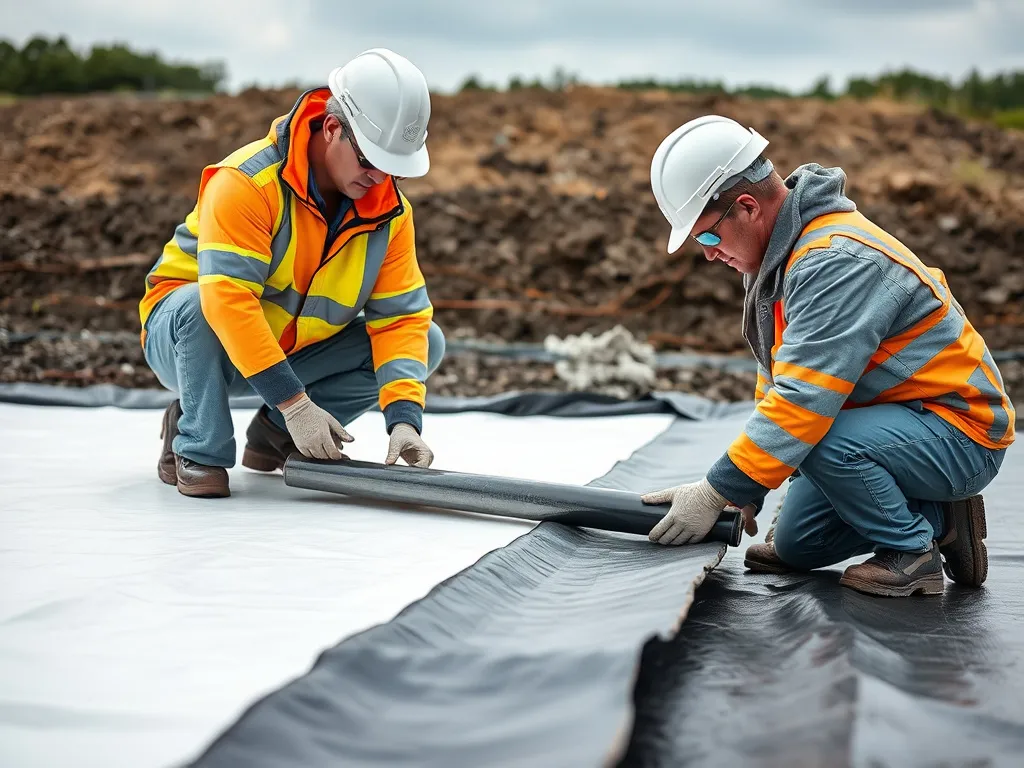
Material quality must be matched by precise installation. Properly installed HDPE forms a continuous, low-permeability barrier essential for containment. Best practices include engaging qualified installers and independent construction quality assurance (CQA) teams, developing detailed panel layouts, managing weather windows for seaming, and maintaining thorough documentation (as-builts, seam logs, test records). Controlling wrinkles, thermal movement, and equipment traffic significantly improves long-term outcomes.
Surface Preparation
Before installation, prepare the substrate carefully:
- Leveling the Ground: Remove sharp rocks and debris to limit puncture risk. Smooth subgrades minimize point loads and allow intimate liner contact. In coarse drainage zones or high-impact areas, place a cushioning nonwoven geotextile beneath the geomembrane to reduce puncture potential.
- Compacting the Surface: Uniformly compact the base to limit post-installation settlement and shifting. Moisture conditioning and fine grading at benches, anchor trenches, and around pipes help sustain liner support during ore placement and seasonal wet–dry cycles.
Seaming Techniques
Seams transform panels into a continuous barrier. Double hot-wedge fusion seams with an enclosed air channel enable non-destructive air pressure testing, while extrusion fillet seams serve repairs and details around penetrations. Best practice includes trial seams to confirm settings, routine destructive peel and shear testing, and complete documentation of results.
Securing the Geomembrane
Effective edge anchoring and ballast prevent movement from wind and operations. Anchor trenches are sized to resist uplift and sliding, and temporary ballast (sandbags or protective tires) controls wind during deployment. Where liners remain exposed, account for thermal cycling at terminations. Protective cover layers—geotextiles, gravel, or overliner soil—shield the liner from UV and mechanical damage during ore placement.
Case Study: Successful HDPE Application in Heap Leaching
At a copper operation in Chile, a 1.5 mm HDPE geomembrane reduced chemical losses and prevented contamination while withstanding acidic leachate. The design used a composite liner with drainage geonet and a leak collection layer beneath the primary liner, enabling continuous monitoring. Electrical leak location surveys after installation and following initial ore placement confirmed liner continuity, and minor defects detected during commissioning were repaired rapidly.
Textured liners on slopes, robust seaming procedures, and routine inspection delivered strong metallurgical performance and environmental compliance. The approach is broadly replicable: sound material selection, disciplined installation, and ongoing monitoring produce predictable, long-term containment.
Maintaining HDPE Geomembranes
HDPE is durable, but routine maintenance preserves performance. Establish scheduled inspections around seasonal risks, verify solution management to prevent overtopping, and coordinate traffic and loading on exposed segments. A proactive plan prevents small issues from becoming costly downtime.
- Routine Inspections: Inspect for wear, punctures, wrinkles, tension lines, abrasion, animal activity, or localized chemical spills. Prioritize seams, penetrations, slope transitions, and high-traffic areas where overliner materials are placed or removed.
- Leak Detection: Use electrical leak location (ELL) methods—water puddle, water lance, or dipole—on exposed or covered liners. Conductive-backed geomembranes improve sensitivity. Integrating leak collection and removal below the primary liner provides early warning and simplifies targeted repairs.
- Repairs: Repair damage promptly with matching HDPE using compatible seaming. Clean and prepare the surface, apply extrusion or fusion welding, and verify with non-destructive testing. Schedule work in suitable weather and document patch locations, sizes, and test results.
Training site personnel to recognize damage, staging repair materials, and maintaining clear reporting channels support rapid response and sustained system integrity.
Future Trends in Geomembrane Technology
Geomembrane technology continues to advance toward higher performance and sustainability. Trends include conductive-backed liners that facilitate ELL throughout the lifecycle, enhanced antioxidant packages for extended service life in high-UV regions, and resins with improved resistance to slow crack growth. Improved UV resistance, lower permeability, and data-enabled monitoring are extending service life and enabling proactive maintenance.
Attention is also shifting to design for decommissioning—strategies for liner recovery, recycling pathways, and thorough documentation of installed materials. Digital tools that centralize as-built records, QA/QC data, and monitoring results are improving transparency and enabling data-driven planning that supports sustainability goals and regulatory expectations.
Conclusion: The Crucial Role of HDPE Geomembranes in Mining
With increasing environmental expectations, effective chemical containment is essential. HDPE geomembranes deliver superior chemical and mechanical resistance and long service life. Integrated with drainage, leak detection, and quality installation, they form robust barriers that protect water resources and ecosystems while supporting consistent recovery.
Investing in high-quality HDPE liners improves compliance, reliability, and operating efficiency. Early involvement of experienced designers, certified installers, and independent CQA professionals reduces risk, accelerates commissioning, and builds confidence among regulators and communities.
Adopting advanced geomembranes reflects a forward-looking approach to mining that balances production with protection. As technologies and standards evolve, HDPE will remain the cornerstone of heap leach containment—delivering reliable performance today and safeguarding environmental quality for the future.