
Conductive HDPE Geomembrane: When to Use It for Leak Detection and Quality Assurance
Ensuring durable, verifiable containment is central to today’s environmental and infrastructure projects. Conductive High-Density Polyethylene (HDPE) geomembranes pair robust chemical resistance with reliable electrical leak detection and quality assurance (QA). This article explains how they work, where they add the most value, how to test them, and what to include in design and construction so owners, engineers, and contractors achieve measurable risk reduction without disrupting schedules.
Introduction to Conductive HDPE Geomembranes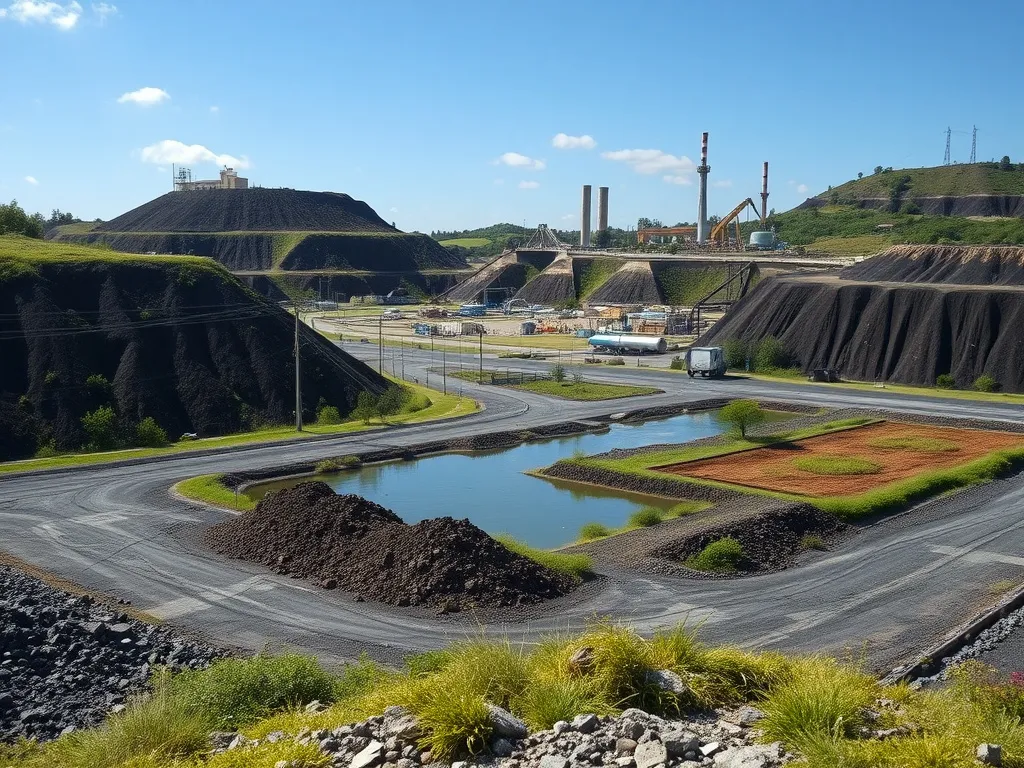
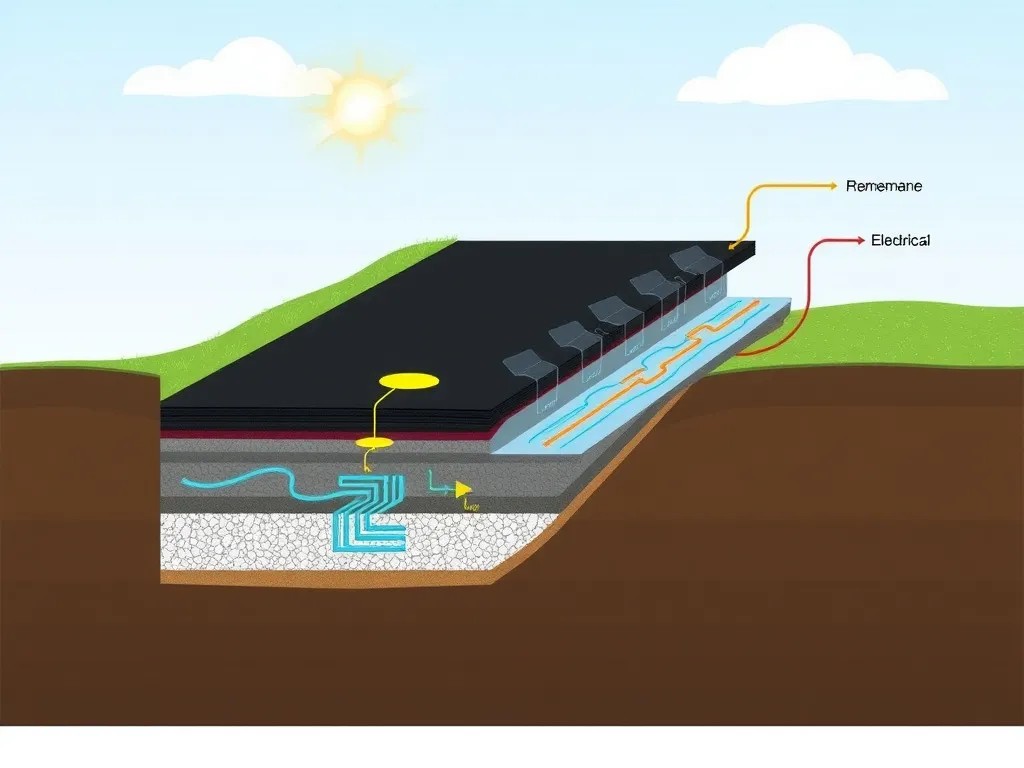
Conductive HDPE geomembranes incorporate a conductive layer that enables electrical surveys to locate defects with high precision. They are used where containment is critical—landfills, mining, and chemical facilities. The conductive path is typically a coextruded backing or factory-applied coating loaded with carbon black or similar fillers, creating a continuous current path beneath the insulating HDPE.
Demand is driven by tighter environmental protections and evolving standards. Conductive liners support compliance with GRI-GM13 and GRI-GM17 and complement regulations such as U.S. EPA Subtitle D and C, as well as mining guidance for leach pads and tailings. Internationally, ISO and ASTM standards define testing, and many regulators now expect documented electrical integrity surveys as part of construction quality assurance (CQA).
Knowing when to specify a conductive liner maximizes benefits. This guide clarifies how they integrate into composite liner systems, which site conditions suit electrical leak location (ELL), and how to structure procurement and installation so projects capture QA value efficiently.
Principles of Conductive Geomembrane Technology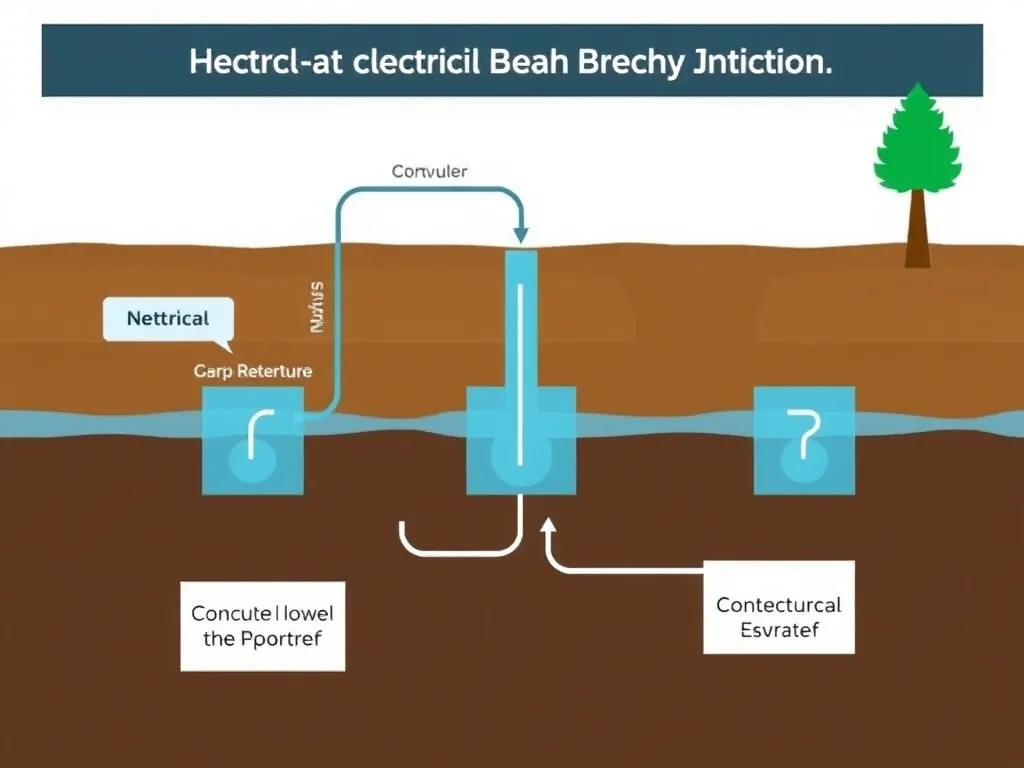
Conductive geomembranes allow a controlled electrical current to flow within a dedicated layer. The insulating HDPE faces the contained fluid; if it is penetrated, current escapes to ground through the conductive layer, producing a distinctive signal. Reliable results require proper grounding, continuity of the conductive layer, good contact with cover materials, and a clean, well-prepared surface.
How Conductivity Enhances Leak Detection
ELL applies a potential difference across the geomembrane. Breaches alter current flow, and survey instruments map voltage gradients so technicians can navigate to the maximum signal—pinpointing the defect. Under suitable conditions, ELL routinely identifies millimeter-scale holes before they become meaningful leakage pathways.
Various types of ELL—water puddle testing, dipole testing, and spark testing—are selected by site conditions and liner configuration, each with distinct advantages and limits. Water puddle testing suits exposed liners; dipole surveys excel after cover soils are placed; spark testing (holiday detection) targets conductive-backed liners on slopes and complex details. Moisture, slope, geotextiles, and geonets influence sensitivity, so plan the method during design, not after installation.
Applications of Conductive HDPE Geomembranes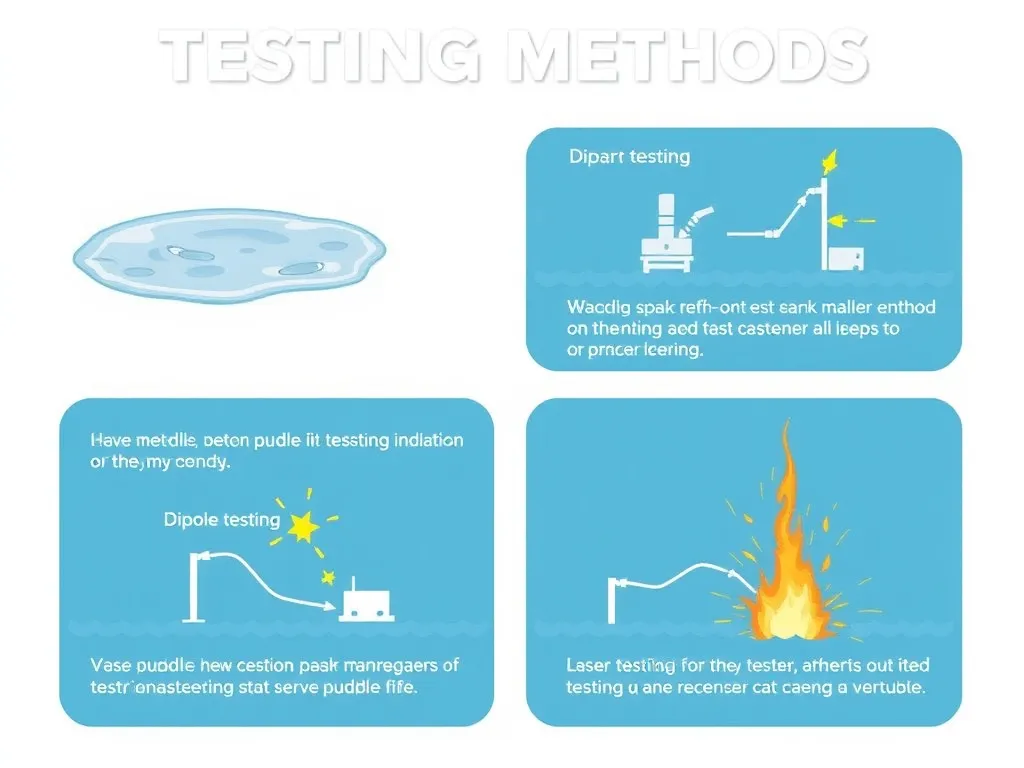
- Landfills: Conductive liners help prevent leachate releases and enable 100% coverage surveys before waste placement, including side slopes and areas under geotextiles. They allow phased testing and documentation for each cell and help demonstrate regulatory compliance for liner integrity.
- Mining: Used beneath heap leach pads, process ponds, and tailings facilities to protect groundwater from cyanide, acids, and metals. Conductive liners support exposed and covered ELL across large areas, reducing startup delays and the risk of undetected leaks in high-consequence operations.
- Chemical Storage: Secondary containment for tanks, basins, and trenches benefits from verifiable welds and details. In regulated facilities, documented ELL results back audits and reduce compliance and insurance risk.
Conductive liners are also used in aquaculture, water treatment lagoons, and stormwater basins where owners want quantifiable verification. They perform across varied climates, provided subgrade preparation, anchorage, and thermal expansion are addressed in design.
Implementing Conductive HDPE Geomembranes
Successful implementation starts with coordinated planning. Early collaboration among the owner, designer, manufacturer, installer, and ELL specialist aligns specifications, test methods, data deliverables, and acceptance criteria. Scheduling ELL when access and site conditions maximize sensitivity avoids interference with other critical activities.
Step-by-Step Guide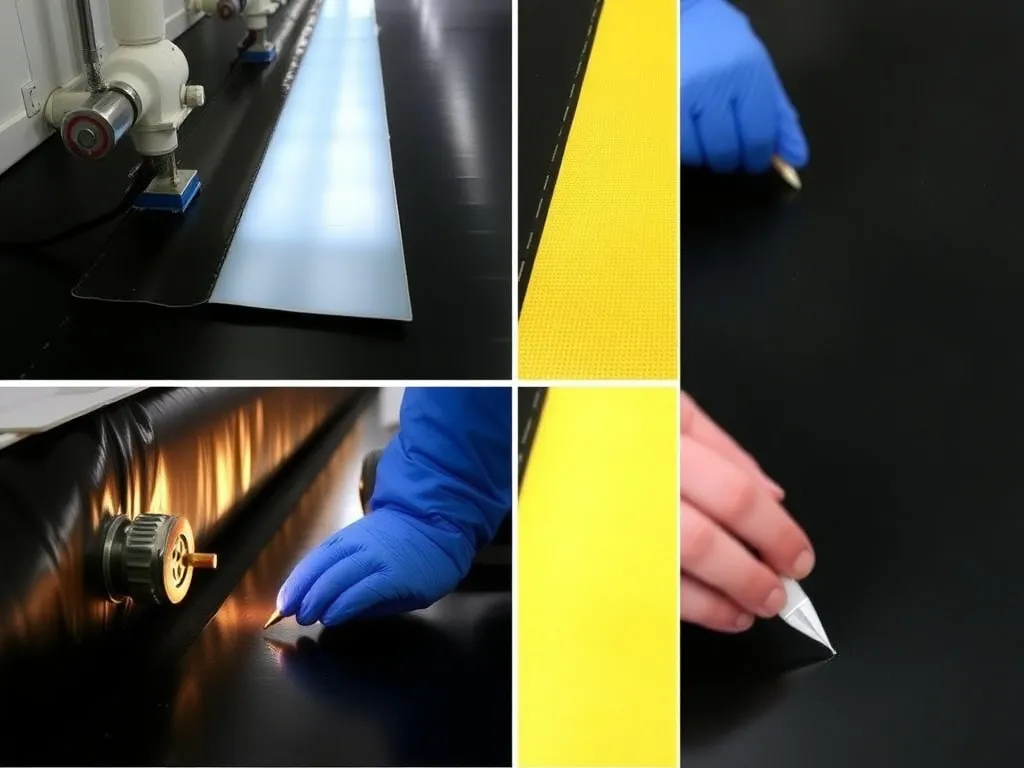
- Site Assessment: Review environmental and geotechnical conditions to select liner type and thickness. Evaluate subgrade conductivity, groundwater, chemical exposures, and grounding points. Detail transitions to concrete and pipe penetrations—frequent sources of defects—and confirm slope stability and anchorage.
- Installation: Use certified installers and defined welding procedures with trial seams and QA tests. Manage weather impacts on welding and handling. Protect the conductive layer during deployment, and document repairs with GPS and photos for later ELL verification.
- Testing: Before cover placement, perform ELL using water puddle or spark testing for rapid, high-resolution scanning. Verify grounding and voltage settings match the liner thickness and site conditions. Record, repair, and retest defects until the area passes.
- Post-Cover Testing: After cover soils are placed, conduct dipole surveys to confirm no damage occurred during covering. Ensure cover thickness and moisture suit testing. Include survey maps and pass/fail documentation in the CQA report.
Maintenance and Monitoring Strategies
Ongoing maintenance preserves performance and provides early warning of issues. Incorporate ELL into operations—especially for lined ponds and long-lived facilities—to reassess condition after severe weather, seismic events, or heavy-equipment work.
Schedule inspections according to risk and exposure. Correlate findings with leak detection sumps, flow meters, and groundwater wells. When data are anomalous, targeted ELL localizes problems quickly, minimizing downtime and focusing repairs.
Best Practices in Maintenance
- Routine Visual Inspections: Check for cracks at corners, stress near penetrations, uplift from gas, and abrasion from traffic. Maintain a photo log to track trends.
- Scheduled Electrical Testing: Use periodic ELL to detect subsurface damage. Time surveys for favorable moisture, and keep grounding points accessible and documented.
- Responsive Repairs: Repair defects promptly to maintain compliance. Follow patching procedures and verify each repair with focused ELL before returning to service.
Case Studies and Practical Applications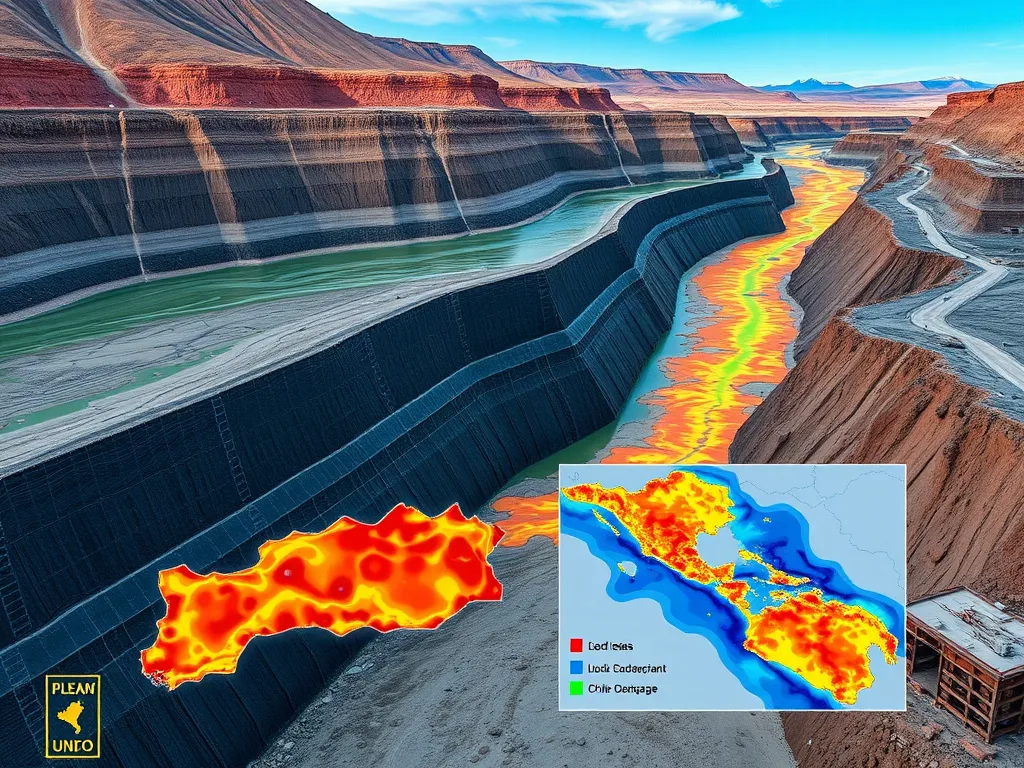
Real-world results illustrate value. In a new municipal landfill cell, an exposed ELL survey located several small punctures from subgrade protrusions and one misaligned extrusion bead at a pipe boot—issues that visual inspection missed. Rapid repair and retesting kept the project on schedule and produced a defensible CQA record.
“A mining site in Chile used conductive geomembranes and noted a 95% reduction in leak incidents, greatly improving safety measures.”
These outcomes support wider adoption and underscore the role of GPF’s high-quality geomembrane products in varied environments. At a chemical facility, conductive HDPE enabled post-cover dipole testing beneath gravel ballast and around dense concrete plinths—traditionally difficult areas—establishing a clear integrity baseline that streamlined future inspections and compliance.
Benefits and Challenges of Conductive HDPE Geomembranes
| Benefits | Challenges |
|---|---|
|
|
Comparing benefits and challenges through a risk lens—consequence of failure, facility life, regulatory scrutiny, and downtime costs—helps determine when to specify conductive liners. Early engagement with manufacturers and ELL providers refines specifications, optimizes texture and thickness, and aligns testing with construction sequencing.
Conclusion: Strategic Implementation and Next Steps
Conductive HDPE geomembranes provide robust containment with verifiable leak detection and QA. By understanding where they deliver the most value and integrating ELL into planning, procurement, and construction, teams transform liners from passive barriers into actively verified defenses.
Weigh initial costs against long-term savings from fewer leaks, reduced penalties, and faster resolution of anomalies. Define acceptance criteria for ELL, establish repair-and-retest procedures, and plan periodic integrity checks for critical facilities or after unusual events.
For more details on integrating the highest quality geomembrane products into your operations, consult industry experts and best practices. Collaboration with experienced manufacturers, certified installers, and accredited ELL providers ensures material selection, installation, and documentation support verifiable performance and lasting environmental stewardship.