
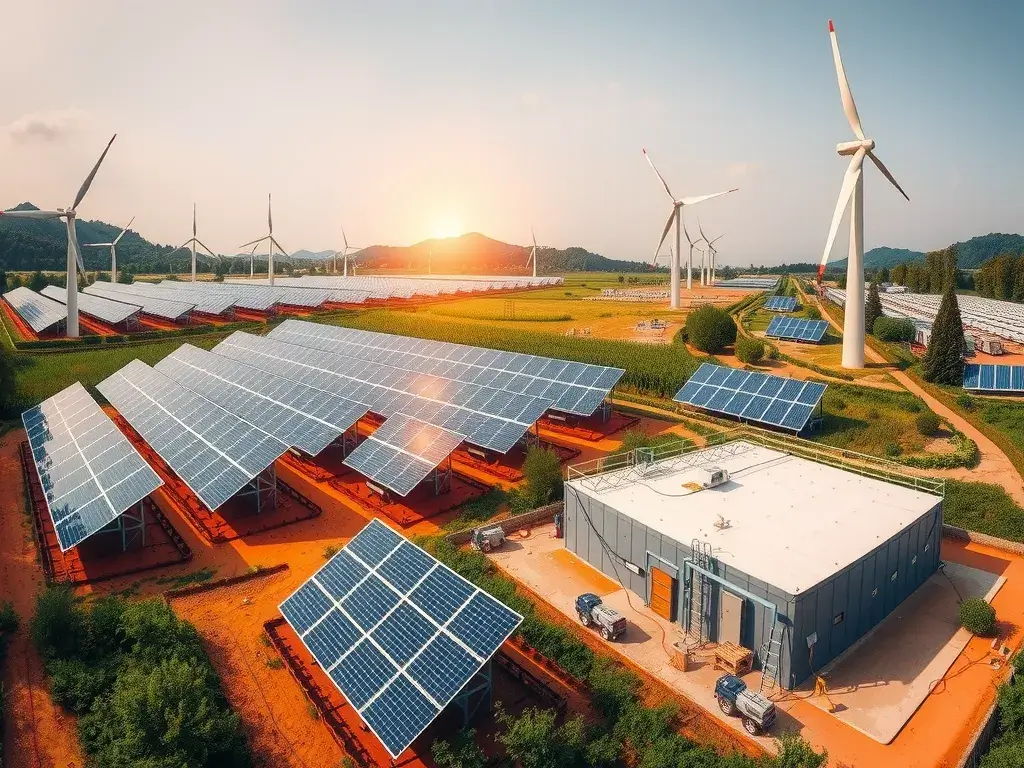
Geomembrane Uses in Renewable Energy Projects
As the world moves toward eco-friendly energy solutions, geomembranes are becoming more vital in renewable energy projects. High-Density Polyethylene (HDPE) and Linear Low-Density Polyethylene (LLDPE) geomembranes are leading advancements in sustainable technology, especially within the renewable energy field. This article explores the various ways geomembranes assist and enhance renewable energy infrastructure.
The Function of Geomembranes in Solar Energy Installations
Solar energy is one of the fastest-growing sectors of renewable power. Geomembranes play an important part in solar panel installations by providing a waterproof layer that prevents soil and water pollution. Using HDPE geomembrane liners adds strength and resistance to environmental challenges, prolonging the life of solar projects. In dry areas like the Middle East, where dust and high temperatures are common, geomembranes serve as protective shields that help maintain conditions favorable for solar efficiency.
Advancements in Wind Energy Through Geomembrane Technology
Wind energy systems also benefit greatly from geomembrane uses. Wind turbine foundations often require stabilization and protection from water erosion—tasks well handled by HDPE and LLDPE geomembranes. In addition to acting as barriers, these geomembrane liners help lessen the environmental impact of wind farms. By substituting traditional concrete foundations with biodegradable plastic liners, wind energy projects can reduce their carbon footprint.
Geomembranes in Energy Storage Solutions
As renewable energy generation increases, the demand for efficient energy storage rises as well. Geomembranes are crucial for the containment and stabilization of energy storage facilities. For instance, installing textured geomembrane liners in lithium-ion battery storage areas helps prevent chemical leaks, promoting environmental safety and energy efficiency.
Uses in pumped hydroelectric storage also depend on geomembranes to ensure water containment and leakage prevention, a key factor for sustainable operation. As these technologies advance, the need for dependable, high-quality geomembranes will continue to grow.
Case Studies in Renewable Energy Uses
Several successful projects showcase the promise of geomembranes in renewable energy. In North Africa, a large-scale solar park utilized HDPE geomembranes to improve ecological sustainability and prevent groundwater pollution. Similarly, wind farms in Europe have embraced innovative geomembrane solutions to support heavy turbine loads on softer soils, reducing soil compaction and erosion.
Conclusion
Geomembranes are becoming a key technology for sustainable, effective renewable energy solutions. Their application across solar, wind, and energy storage systems demonstrates versatile value with both economic and environmental advantages. As the renewable energy market grows, the importance of HDPE and LLDPE geomembranes will continue to increase, aiding sustainability goals worldwide.