
Exploring New Uses of Geomembranes in Water Conservation Projects
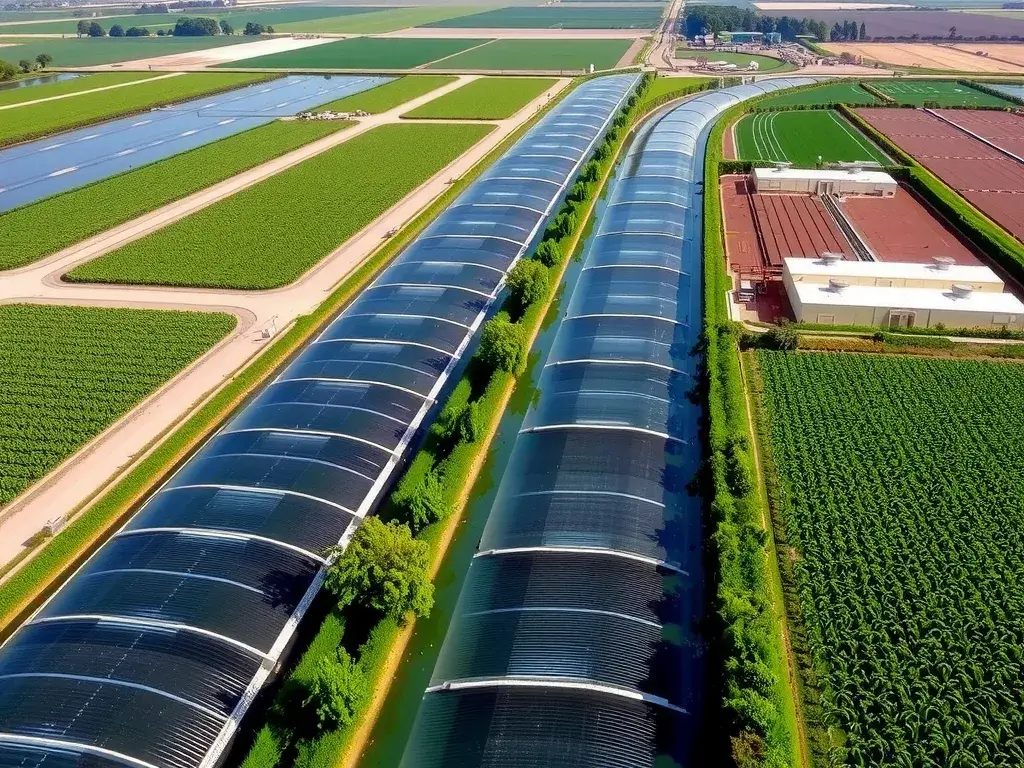
With water scarcity growing, geomembranes—high-density (HDPE) and linear low-density polyethylene (LLDPE) liners—have become core conservation tools. Engineered for impermeability, UV stability, and chemical resistance, they block exchange between water and soils or structures. Textured surfaces steady slopes, while factory and field welding create continuous, low-leakage systems. Fast installation suits remote or urban sites, and sensor integration delivers durable, measurable savings.
Innovative Uses in Agriculture
Agriculture has advanced with lined conveyance. In canals and ditches, HDPE and LLDPE curb evaporation and seepage so more water reaches crops.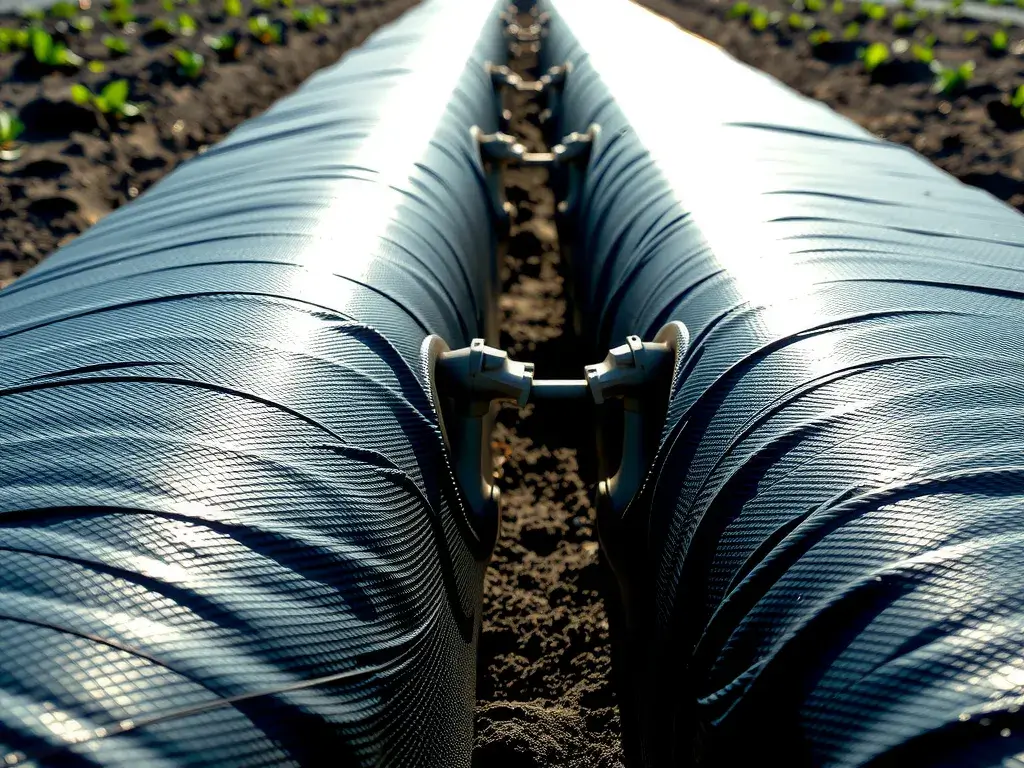 Farmers pair lined channels with gated-pipe or drip to stabilize pressure, deliver uniform flows, and keep sediment out—improving yields while cutting pumping energy. In sandy or fractured soils, a geotextile underlayment beneath LLDPE turns leaky ditches into predictable, high-efficiency channels and enables cooler, less-evaporative deliveries.
Geomembranes also line farm reservoirs to store critical supplies and reduce evaporation—vital in dry regions. Floating covers further limit losses, shade algae, and calm wind-driven waves that stress embankments. By minimizing seepage, lined reservoirs protect groundwater from nutrients and pesticides. Routine inspections and quick patch repairs keep systems reliable, while level sensors and telemetry track volumes so irrigation can be planned precisely.
Urban Water Management
In cities, geomembranes underpin flood control and rainwater harvesting.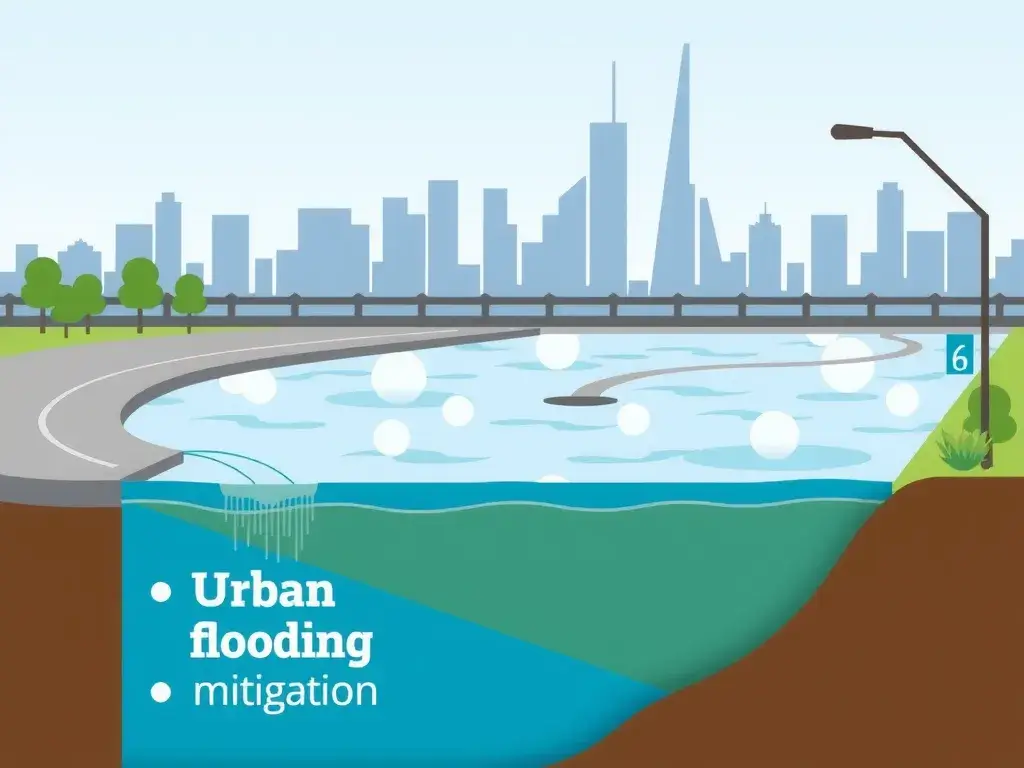 Waterproof barriers hold excess stormwater for reuse during dry spells, easing flooding and augmenting supplies. Lined detention and retention basins shave peak flows, reducing combined sewer overflows and downstream erosion. Flexible liners create economical rooftop or basement cisterns, while membranes in plaza decks, tunnels, and green roofs route captured water to reuse systems and protect foundations and utilities.
Global projects show these systems boost urban resilience. Membranes integrate with sensors, automated valves, and smart controllers to optimize releases and preserve emergency capacity. Coupled with green infrastructure—bioswales or rain gardens—liners protect sensitive zones while allowing infiltration where appropriate. Long service life, straightforward maintenance, and predictable performance help municipalities stretch budgets, meet permits, and adapt to more intense rainfall without costly pipe or plant expansions.
Industrial Water Conservation
Industry likewise uses geomembranes to conserve and recirculate water.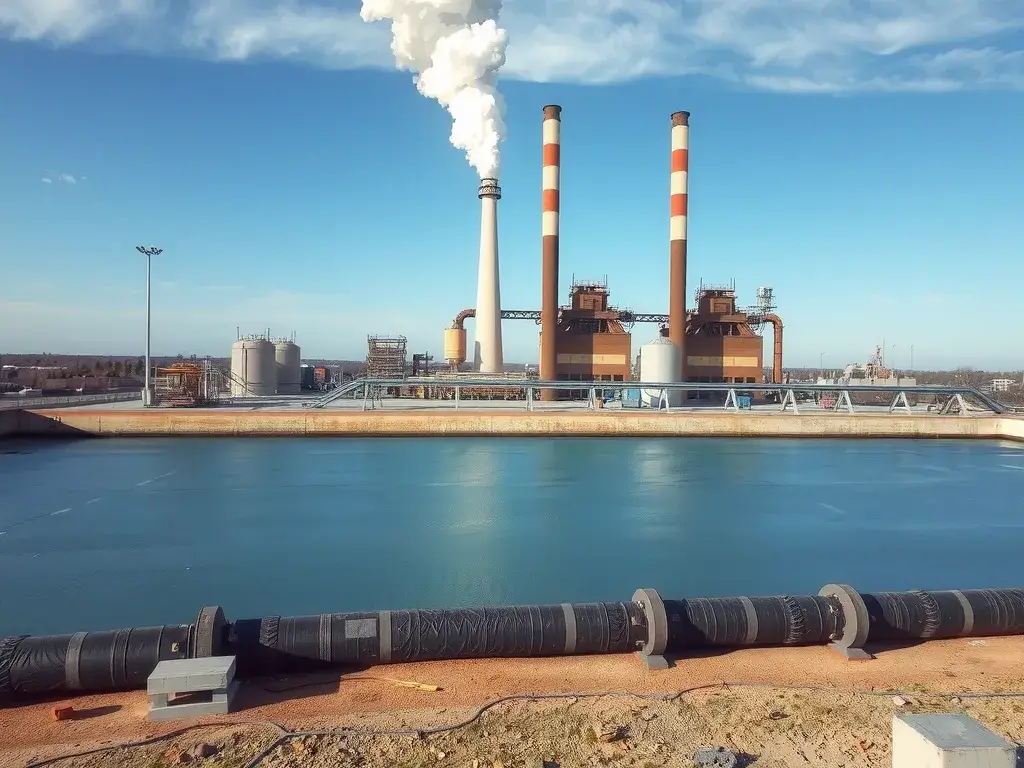 Liners in tanks, basins, and containment areas prevent leaks. Process-water ponds, cooling-tower basins, and wastewater lagoons employ single- or double-liner systems with leak detection to capture, treat, and return water to production. In mining, power, and food processing, membranes enable closed-loop reuse, trimming chemical demand and discharge volumes. HDPE-lined secondary containment berms also reduce spill risk and cleanup costs.
In Saudi Arabia and other arid regions, these technologies support regulatory compliance and tighter water balances.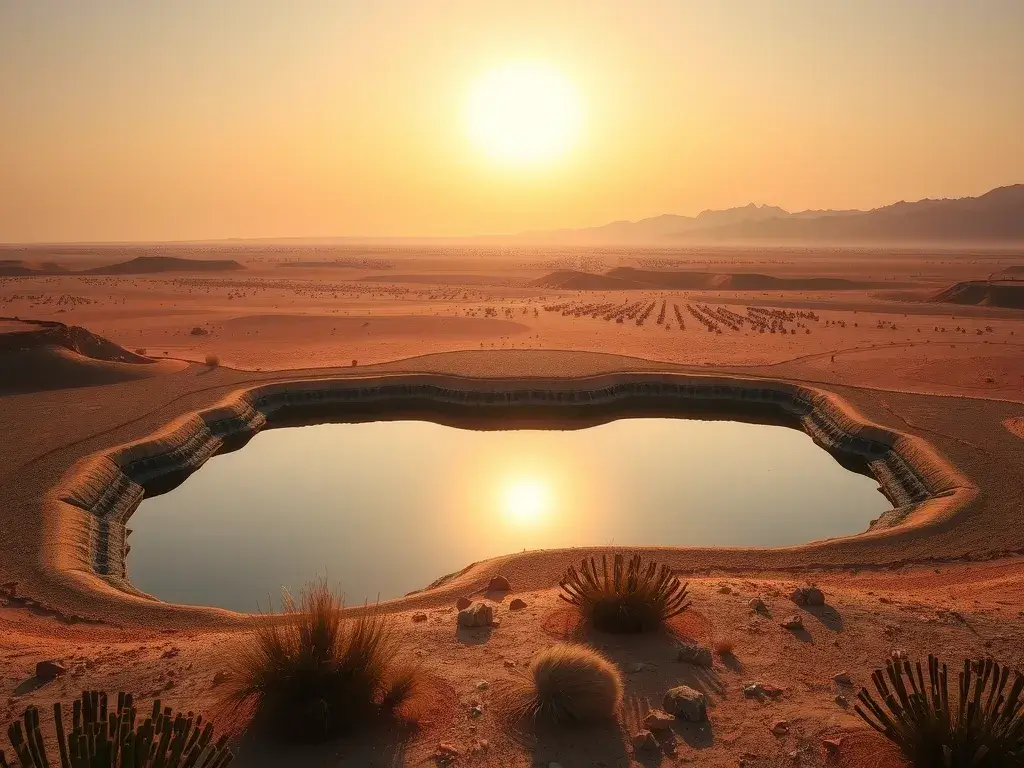 Lined brine ponds at desalination plants, evaporation basins, and concentrate cells protect soils while enabling recovery or responsible disposal. High-heat climates demand UV-resistant formulations and rigorous welding QA. Training local crews in inspection and repair sustains performance and limits downtime despite thermal cycling and abrasive dust.
Conclusion
Geomembranes are now central to water conservation. Their flexibility, reliability, and cross-sector versatility make them essential to sustainable management. Adopting these applications lets agriculture, cities, and industry save water and optimize resources. Beyond direct savings, membranes offer favorable life-cycle costs, quick deployment, and compatibility with recycled resins and end-of-life recovery programs, helping organizations meet carbon, ESG, and resilience goals without sacrificing performance.
As scarcity intensifies, broader deployment offers a practical path forward. Pilot projects, performance monitoring, and clear maintenance plans build confidence and speed scale-up. With thoughtful design, quality installation, and community engagement, geomembranes will continue to conserve limited supplies, safeguard infrastructure, and help cities and farms build resilient water systems for the decades ahead.