
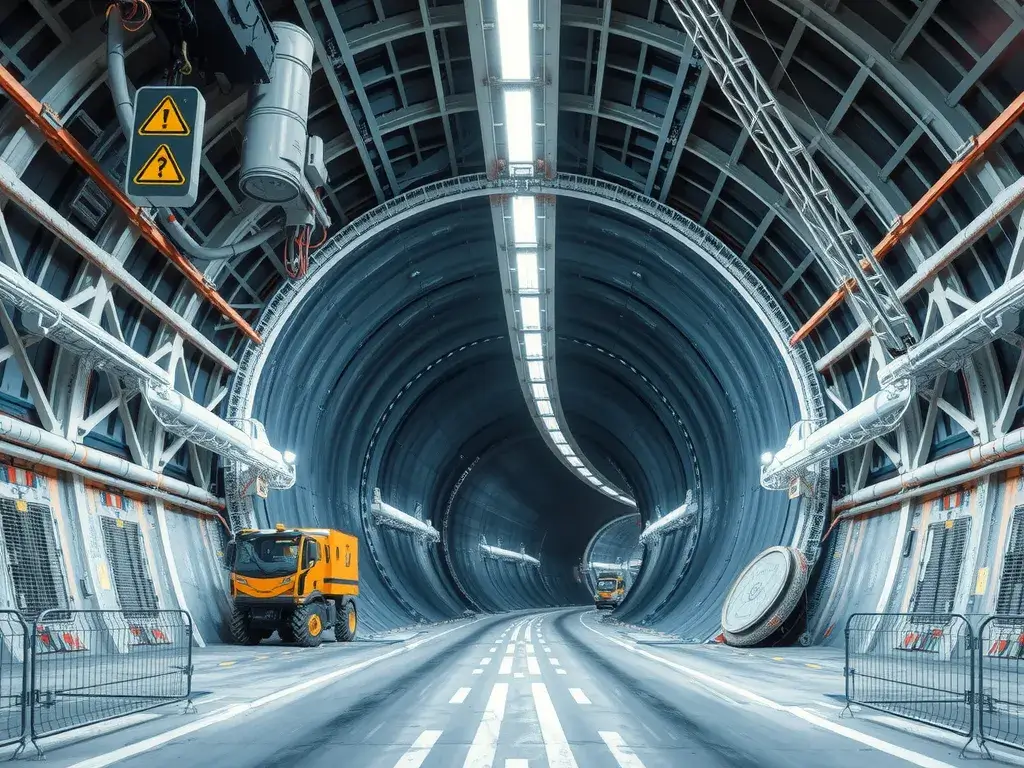
Innovative Geomembrane Uses in Tunnel Waterproofing
As infrastructure projects focus more on sustainability and efficiency, geomembranes have become crucial in tunnel waterproofing. High-Density Polyethylene (HDPE) and Linear Low-Density Polyethylene (LLDPE) geomembranes provide reliable options that safeguard tunnel integrity and extend their lifespan. As a leading manufacturer, GPF is leading these advancements, contributing to building more durable infrastructure.
Understanding Geomembrane Materials and Their Advantages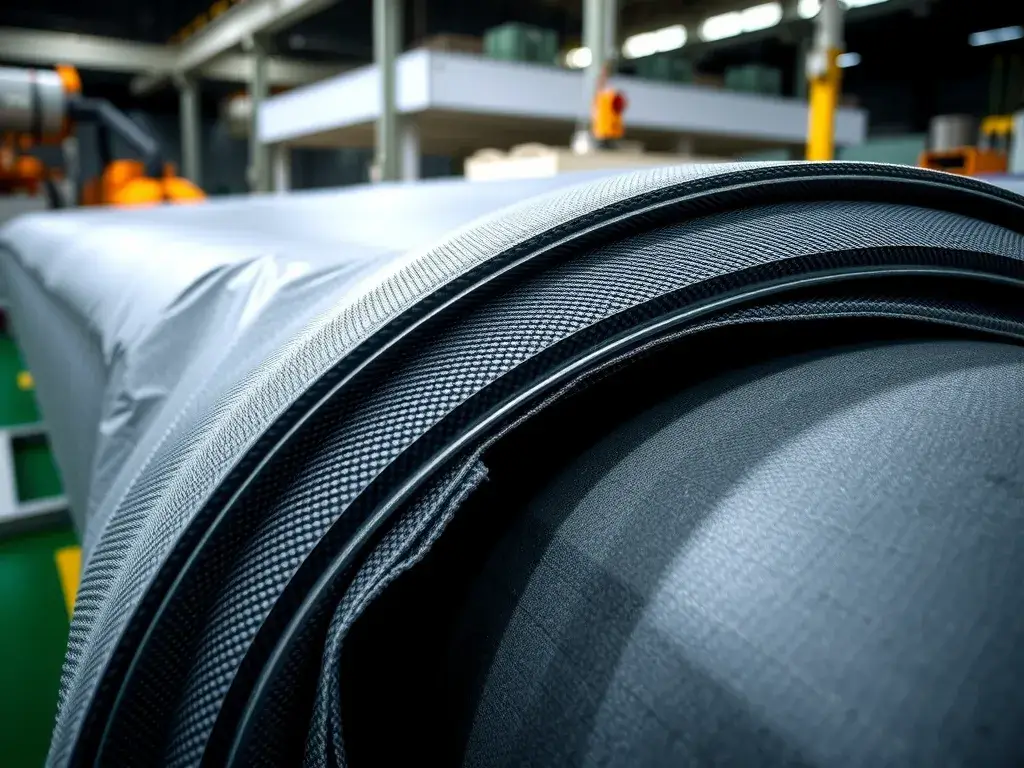
Geomembranes—especially those made from HDPE and LLDPE—are prized for their strength and flexibility. HDPE geomembranes offer excellent resistance to chemicals and environmental stress cracking, making them well suited for challenging underground settings. LLDPE geomembranes, on the other hand, offer greater flexibility, allowing them to fit closely to varied substrate contours during tunnel construction.
Both materials keep tunnels resistant to water entry, preventing structural damage and reducing maintenance needs. Choosing these advanced materials aligns with global goals around infrastructure resilience and sustainability, a key consideration for modern tunnel projects.
Advanced Application Methods in Tunnel Waterproofing
Installing geomembranes for tunnel waterproofing requires accurate, innovative techniques. Textured geomembranes can be used on both sides to enhance bonding and reduce slippage. Additionally, automated installation helps minimize human error and ensures consistent coverage across large areas.
Recent developments also include placing monitoring systems within geomembrane layers. These systems provide real-time pressure and moisture data, enabling engineers to maintain optimal tunnel conditions and quickly address emerging issues.
Real-World Examples: Evidence of Geomembrane Effectiveness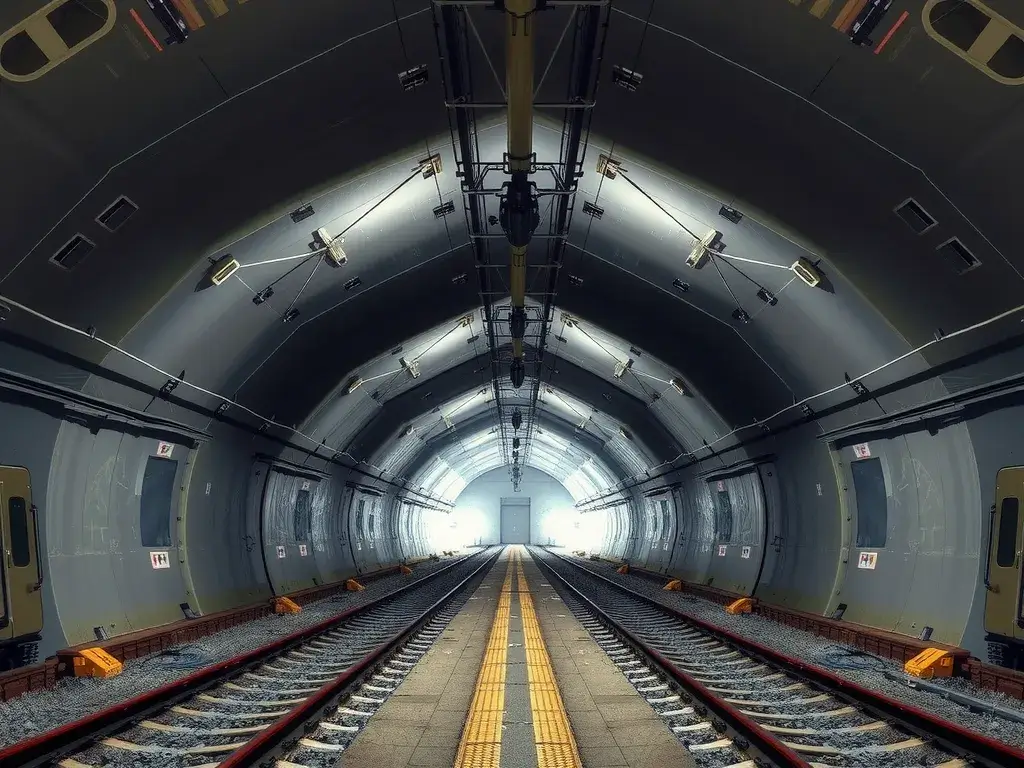

Numerous tunnel projects worldwide demonstrate the effectiveness of geomembranes. For example, a large-scale urban metro system in Saudi Arabia recently used GPF’s HDPE geomembranes. The project highlighted the material’s durability under high-pressure conditions, maintaining water-tightness across diverse geological settings.
In another case, a major European railway tunnel used LLDPE geomembranes for their flexibility and easy installation. The project achieved a 30% reduction in installation time and improved long-term tunnel performance indicators, showing the material’s potential for cost and time savings.
Conclusion: Embracing the Future of Tunnel Infrastructure
HDPE and LLDPE geomembranes have revolutionized tunnel waterproofing, providing not only effective solutions but also significant progress toward sustainable infrastructure. As GPF continues to innovate and expand the uses of these essential materials, the future for tunnel construction remains both robust and promising.
For project developers and construction firms seeking cutting-edge solutions, geomembranes offer a clear benefit. By partnering with manufacturers committed to quality and innovation, like GPF, you help ensure that infrastructure meets today’s demands and is prepared for future challenges.