
Innovative Environmental Benefits of HDPE Geomembranes
As sustainability becomes more important, industries globally are searching for effective ways to reduce their environmental impact. High-Density Polyethylene (HDPE) geomembranes have become a top choice—long-lasting, dependable, and eco-friendly across various uses. This article explores how HDPE geomembranes promote sustainable practices in numerous sectors. From waste management and mining to agriculture and infrastructure, these liners help conserve resources, prevent pollution, and deliver predictable lifecycle value. Organizations also appreciate their compatibility with modern environmental management systems.
Environmental Benefits of HDPE Geomembranes
HDPE geomembranes are praised for their remarkable durability and extensive chemical resistance, making them ideal for settings where controlling contamination is crucial. Unlike older materials, HDPE doesn’t release harmful substances into nearby ecosystems, helping safeguard natural habitats. They also maintain integrity under thermal cycling and resist UV exposure, offering low permeability that limits migration of liquids and gases even in harsh conditions. This resilience reduces maintenance needs and unplanned downtime.
HDPE is also non-toxic; its chemical resistance makes it suitable for agriculture and aquaculture, where it helps preserve soil and water health. Industries that choose HDPE get a geomembrane that not only protects operations but also supports the quality of their environment. In lined ponds, HDPE prevents nutrient‑rich seepage, while in aquaculture its smooth surface simplifies cleaning and promotes stable water quality with fewer inputs.
Real-World Applications of HDPE Geomembrane
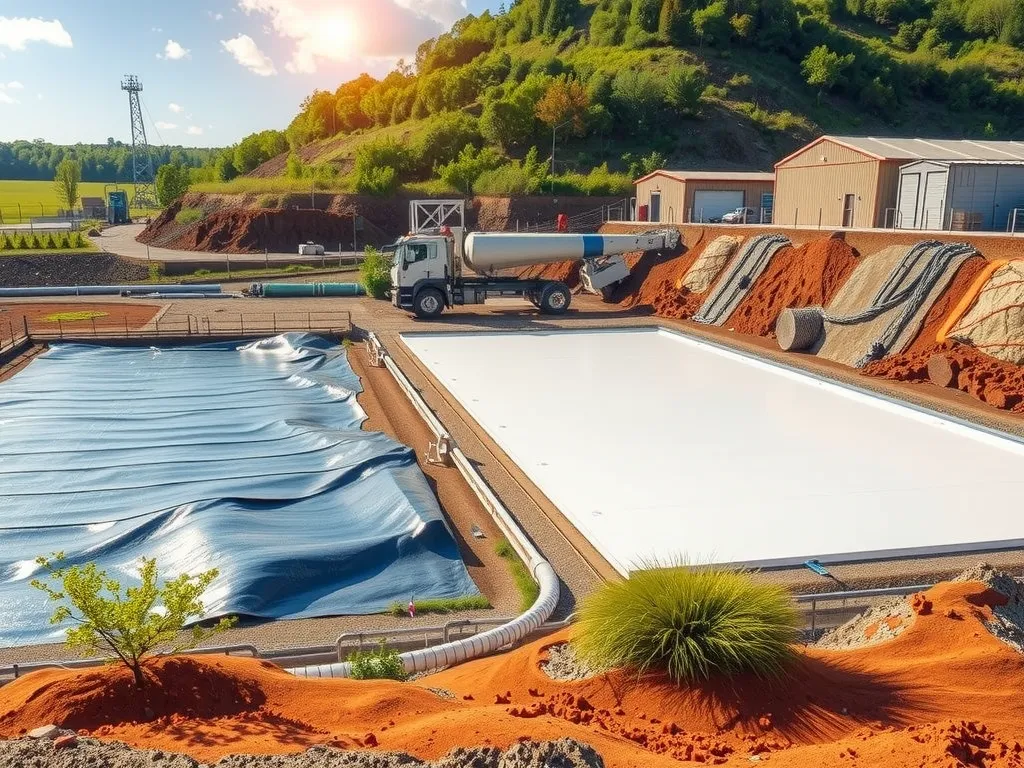
A clear example is the mining sector, where HDPE is used to line tailing ponds.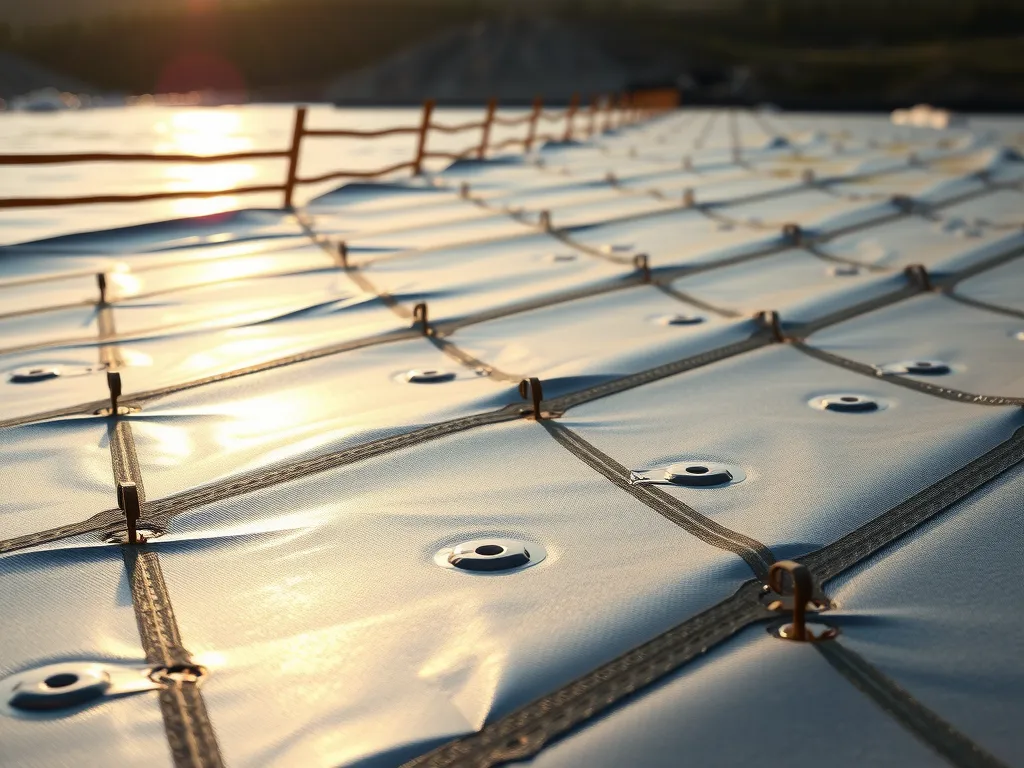 This reduces seepage and stops harmful substances from entering groundwater. Similarly, in the oil and gas industry, HDPE liners serve as bottom and side barriers in containment areas, strengthening their role in environmental protection. Many facilities pair HDPE with leak‑detection layers and drainage systems, creating redundant protection that accelerates issue identification and simplifies remediation if incidents occur.
Agricultural operations also use HDPE to line irrigation channels, significantly cutting water loss and boosting water-use efficiency. These applications show the versatile environmental benefits HDPE offers to various industrial settings. Municipal reservoirs, stormwater basins, and landfill cells also rely on HDPE to control leachate and gas, support reuse, and reduce losses from seepage over time.
Technological Advances in HDPE Geomembranes
Recent improvements in HDPE technology have enhanced its sustainable profile.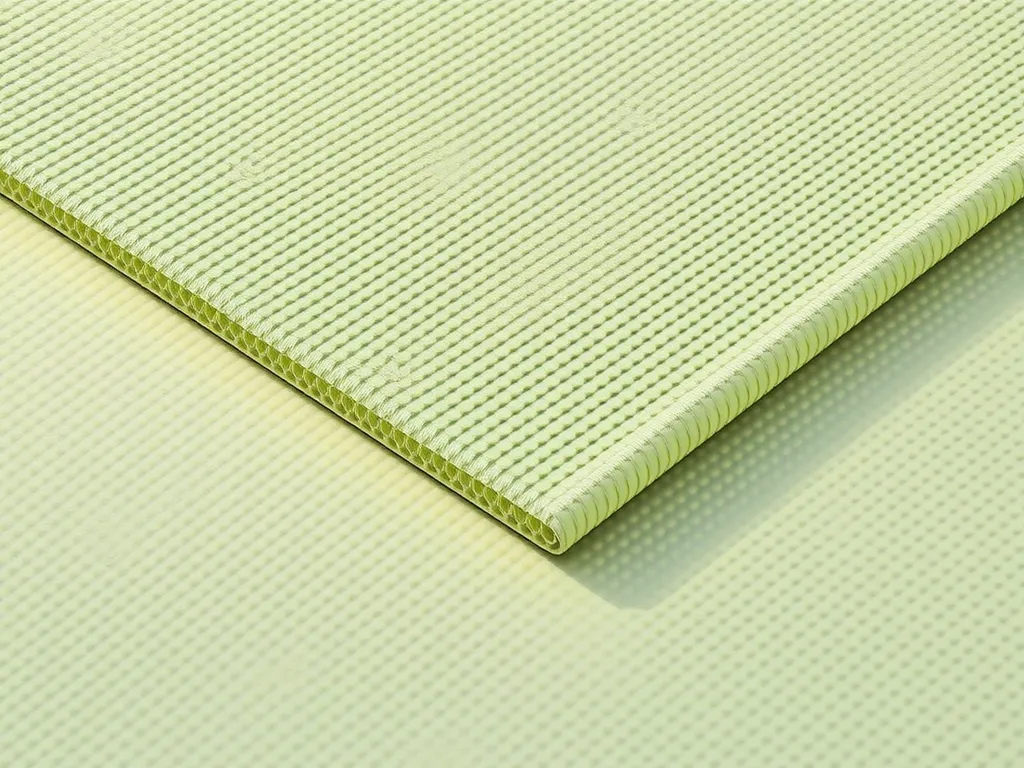 Modern manufacturing has introduced improved texture profiles that increase frictional resistance. Textured HDPE geomembranes reduce slippage in critical containment uses, providing an extra layer of safety. Engineered textures improve interface shear on steep slopes, while co‑extruded reflective layers lower liner temperatures and associated thermal stresses for added reliability during service life.
Innovations in production have also reduced the carbon footprint of these geomembranes. Energy-efficient manufacturing methods and the use of recycled materials make HDPE geomembranes a more environmentally responsible option. Optimized roll sizes, transport efficiencies, and end‑of‑life take‑back programs further reduce embodied impacts and encourage circular use of materials.
Conclusion
HDPE geomembranes offer a strong solution to today’s environmental challenges. Their blend of durability and eco-friendliness makes them essential for promoting sustainable practices. By investing in HDPE geomembranes, companies can greatly lessen their environmental impact, align with global sustainability goals, and improve operational efficiency. These benefits also support regulatory compliance and ESG reporting, strengthening risk management while lowering total cost of ownership across decades‑long operating horizons.
Discover the complete range of HDPE geomembrane solutions at
gpf.ltd
and take a step towards a more environmentally sustainable future. Explore data sheets, case studies, and specification guidance, or connect with specialists for design support, samples, and performance comparisons tailored to your project.