

Carbon Black: Boosting Geomembrane Strength
In geomembrane production, incorporating carbon black as a UV shield is key to prolonged lifespan and dependable performance in areas like mining and water storage. This article explores how its distribution within geomembranes enhances strength, helping guard against environmental and mechanical challenges. In practice, that means membranes keep their flexibility and toughness longer, welds remain reliable, and maintenance cycles stretch out—benefits that translate into fewer shutdowns and lower lifecycle costs. Because geomembranes operate in exposed conditions—under intense sunlight, temperature swings, abrasion, and chemical splash—any weakness in surface protection or internal structure is magnified. Carbon black addresses these risks at their source by absorbing harmful radiation and stabilizing the polymer matrix. Yet protection is not automatic: the particle size, quality, and dispersion of carbon black determine whether a membrane merely meets a specification on paper or provides durable performance in the field. Understanding these nuances helps specifiers and owners choose products that stand up to real-world demands year after year.
The Importance of Carbon Black in Geomembrane Production
Carbon black is a vital part of geomembrane mixtures. Its main function is to soak up UV rays and reduce photo-oxidation ( geosyntheticsmagazine.com ). This greatly prolongs material lifespan, making it essential for projects facing strong sunlight. In engineering terms, carbon black works as both a physical screen that blocks light from reaching polymer chains and a photothermal converter that dissipates absorbed energy as benign heat. The result is a significant slowdown in the free-radical reactions that embrittle polyethylene over time. In addition, the pigment’s finely divided particles can create a protective network near the surface, limiting oxygen ingress and retarding oxidation. These effects are critically important in arid, high-elevation, or equatorial regions where solar intensity challenges even the best base resins. Although antioxidants and processing stabilizers also contribute to durability, carbon black provides the primary, long-term shield because it does not migrate or deplete quickly. That persistence turns a vulnerable exposed liner into a robust barrier, maintaining integrity in storage ponds, heap leach pads, canals, and capping systems where failure is not an option.
Stopping UV Damage
UV rays present a serious threat to polymer strength, causing molecular breakdown that leads to cracking and brittleness. Spread carbon black within High-Density Polyethylene (HDPE) geomembranes blocks UV rays and converts potentially harmful energy into safe heat ( hyhdpemembrane.com ). That transformation is crucial for maintaining mechanical qualities over extended times. At a microscopic level, well-dispersed particles intercept photons before they can initiate chain scission or crosslinking, suppressing the cascade of reactions that typically erode tensile properties and elongation. Carbon black also assists in stabilizer retention, helping antioxidants perform their role longer by reducing the oxidative load. Effective UV protection is not only about the membrane’s outer surface; diffusion and light scattering mean deeper layers can be affected in thin sections or where stress concentrates. Because carbon black’s absorptivity spans a broad spectrum, it provides robust coverage against both UV-A and UV-B components. The payoff is seen during accelerated weathering and field exposure: retained ductility, stable tear resistance, and weld areas that maintain toughness instead of becoming the weak link. In short, optimized UV shielding preserves the safety margin built into the design across seasons and thermal cycles.
Enhancing Stress Crack Resistance
Beyond UV blocking, carbon black boosts the stress crack resistance of geomembranes. Proper distribution forms a uniform barrier that reduces stress points and helps prevent early failure. According to plastikakritis.com , distribution quality directly ties to membrane strength, and ideal dispersion results in membranes that endure mechanical pressure over years of use. This benefit is closely linked to slow crack growth behavior: agglomerates or poorly broken-down clusters can act as micro-defects, focusing strain and accelerating crack initiation under sustained loads. By contrast, finely dispersed carbon black promotes more uniform stress transfer through the polymer matrix, improving performance in tests such as notched constant tensile load and wide-width tensile. Field relevance is clear—geomembranes in heap leach pads, secondary containment, and landfill cells face long-term hydrostatic head, settlement, and thermal contraction/expansion cycles. Strong stress crack resistance means less risk of brittle failure at seams or in areas with wrinkle bridging and subgrade irregularities. Over time, this translates into fewer repairs, higher confidence in leak-tightness, and better safety for surrounding soil and groundwater.
The Science of Effective Carbon Black Distribution
While carbon black’s protective benefits are widely recognized, effectiveness relies on proper distribution in the polymer base. As mentioned by gscgeosynthetics.com , geomembranes should keep carbon black content in the ideal 2-3% range by mass, as outlined by ASTM standards, to balance protection with physical traits. Content alone, however, is not the whole story. Particle size and structure influence how easily black disperses and how it interacts with the polymer. Too little carbon black can leave the surface under-protected; too much can impair processability, reduce elongation, or create agglomerates that undermine stress crack resistance. Distribution quality is therefore assessed with dispersion ratings and microscopy, ensuring the pigment is broken down to fine, evenly spaced particles rather than left in large clumps. Manufacturers also monitor oxidation induction time to verify that stabilizers and carbon black together provide durable resistance to aging. When these elements are optimized as a system—content, grade selection, dispersion, and stabilizer package—the membrane achieves a stable balance of UV durability, toughness, and weldability.
Production Methods for Even Distribution
Top-notch production is vital to ensure even distribution. Techniques like high-shear mixing and masterbatch integration at exact doses help spread carbon black uniformly ( plastikakritis.com ). With strict quality checks during extrusion and after, manufacturers can deliver steady products throughout production runs. In practice, most producers use pre-compounded masterbatches in compatible polyethylene carriers to ensure pigment wet-out and controlled let-down into the base resin. Twin-screw compounding, optimized screw designs, and carefully managed melt temperatures promote deagglomeration while avoiding polymer degradation. Melt filtration can capture oversized particles, and inline mixing elements help maintain uniformity from start to finish. After extrusion, thin-section microtoming and optical microscopy enable technicians to evaluate particle size distribution and identify isolated clusters that could become stress concentrators. Process control is equally important: consistent residence time, stable pressure, and accurate gravimetric feeding reduce variation from roll to roll. The result is a membrane in which each pellet, each stripe, and each seam zone receives the same protective pigment network—crucial for predictable behavior across large projects.
Comparative Benefits over Rivals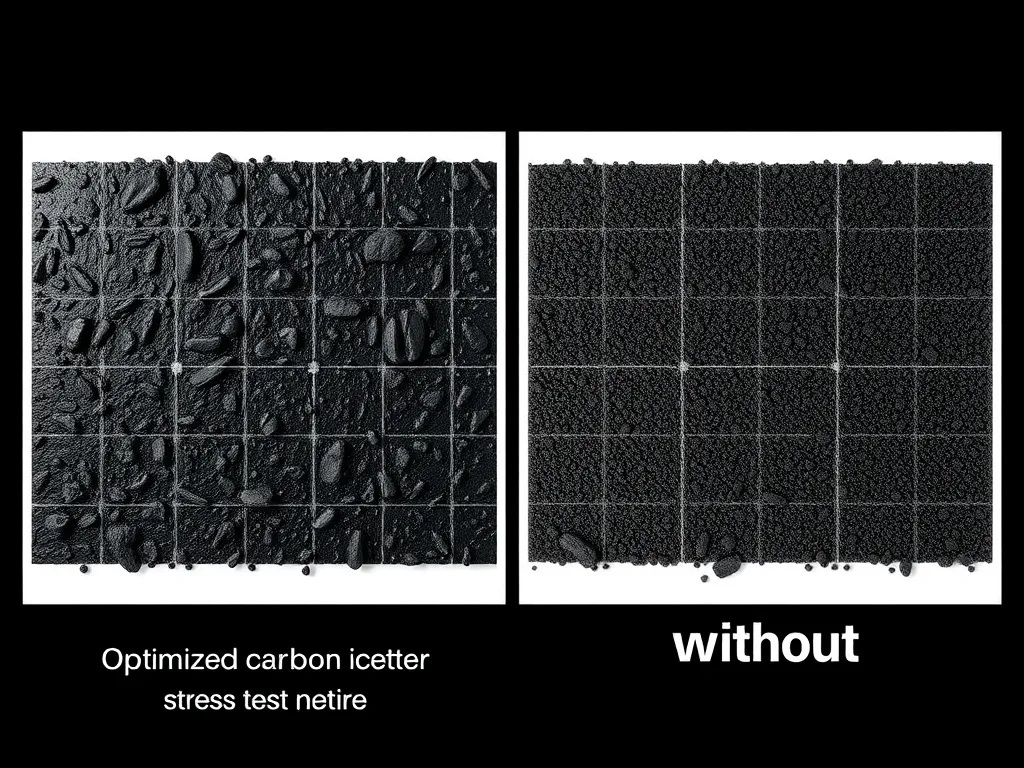
Comparing geomembranes shows how differences in carbon black distribution can truly distinguish products. Many providers meet basic distribution standards, but delivering exceptional distribution offers a competitive advantage. For example, ATARFIL emphasizes a controlled strategy to carbon black content that focuses on real-world performance rather than just meeting GRI GM13 compliance ( geosyntheticsmagazine.com ). In the field, that translates to membranes that retain ductility longer, weld more consistently, and hold their properties across a wider temperature range. Superior dispersion also supports reliable electrical leak location surveys in systems that include conductive layers, because the signal pathway remains uniform. Additionally, well-balanced pigmentation avoids excessive heat buildup that can occur when dark surfaces absorb solar energy without adequate thickness or thermal management. Side-by-side comparisons often reveal differences in wide-width tensile results, puncture resistance, and stress crack performance over time—attributes that matter more to owners than a pass/fail checkbox. The economic impact is real: fewer premature replacements, lower repair frequency, and stronger warranty performance reduce the total cost of ownership. In competitive bids where products look similar on paper, demonstrated mastery of dispersion and content control can be the deciding factor for responsible specifiers.
Real-World Uses and Results
Industries relying on geomembranes—mining, farming, and waste management—benefit significantly from improved strength. Successful projects in mining heap leach pads and wastewater treatment link performance to the correct use of carbon black, enabling longer operational spans with minimal wear. The same holds for irrigation reservoirs, canal linings, stormwater basins, and floating covers, where membranes are exposed to sunlight daily and must survive thermal expansion, wind uplift, and occasional mechanical abrasion. In cold climates, freeze-thaw cycles stress the polymer; in high-altitude or desert regions, intense UV accelerates aging; and in industrial settings, occasional chemical contact demands robust barriers. Carefully controlled carbon black content and dispersion equip membranes to handle all of these variables simultaneously. Over multi-year service, owners see benefits in steadier leak detection metrics, fewer localized brittle failures, and stable seam performance. Ultimately, the right formulation enhances environmental protection and regulatory compliance by keeping fluids contained and reducing the chance of contamination events.
Case Studies Showcasing Results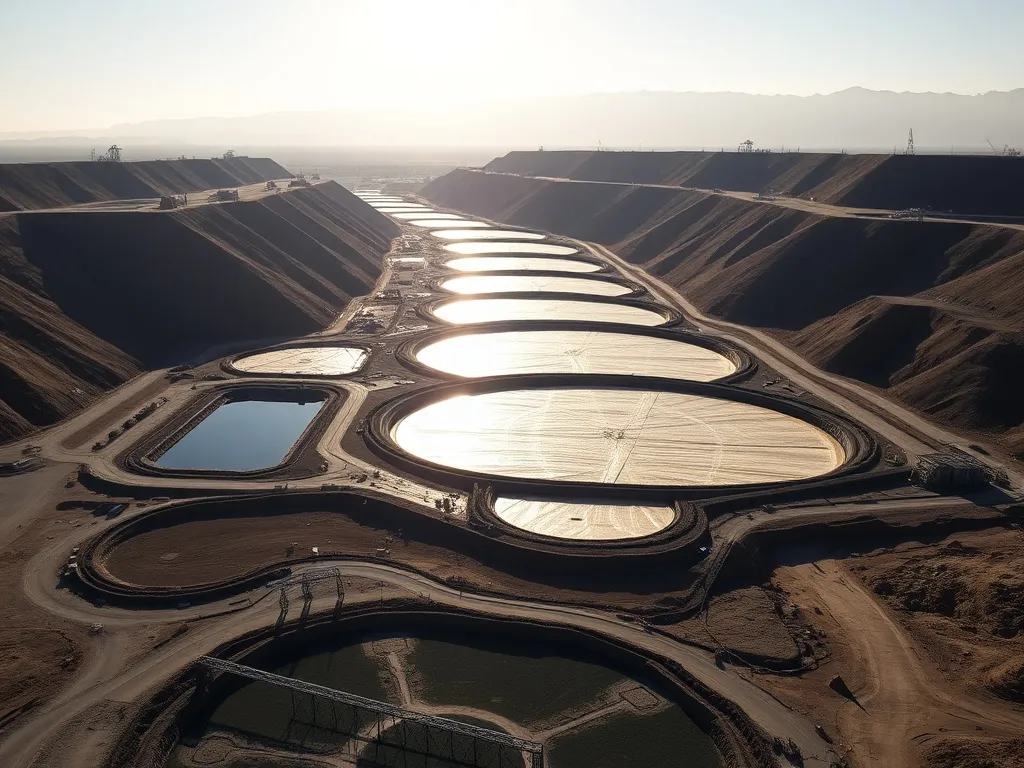
A standout example comes from Chilean mining efforts, where geomembranes with perfect carbon black levels withstand intense UV exposure, retain strength, and decrease replacement needs ( gscgeosynthetics.com ). Outcomes like these highlight carbon black’s essential role in prolonging the life of key infrastructure. In high-altitude sites near the Atacama Desert, solar radiation is exceptionally strong and daily temperature swings are wide; liners that lack optimal pigmentation quickly show surface chalking and loss of elongation. Facilities that specified membranes with well-dispersed carbon black reported stable tensile properties after extended exposure, fewer repairs at wrinkles and panel overlaps, and reduced downtime during peak production seasons. Outside of mining, agricultural reservoirs in regions with year-round sun have documented similar gains, with membranes maintaining flexibility for reliable anchorage and tight seams around penetrations. Wastewater treatment plants also benefit, as covers and liners retain toughness despite constant UV, moisture, and biofilm presence. Collectively, these cases demonstrate that carefully engineered pigmentation is not just a laboratory parameter—it is a practical lever for risk reduction and long-term cost control.
Conclusion: The Future of Carbon Black in Geomembrane Innovation
As the need grows for tough, environmentally resistant geomembranes, carbon black’s role will continue to expand. Advances in material science and production will keep improving how it is applied in geomembranes, ensuring it stays a foundation of protective polymer technology for years ahead. Looking forward, better control of particle size distribution, smarter masterbatch formulations, and tighter process monitoring will refine dispersion and elevate long-term performance. For specifiers, the path is clear: call for balanced carbon black content, robust dispersion verification, and aging resistance metrics that reflect real exposure conditions. For owners and operators, the rewards are tangible—stronger seams, fewer repairs, and reduced risk of leakage or environmental incidents. While alternative stabilizers can complement carbon black in certain designs, none match its durable, non-depleting UV protection within HDPE geomembranes. Choosing geomembranes with well-distributed carbon black helps industries protect the strength and sustainability of infrastructure investments, delivering reliable containment and predictable performance across decades of service.