
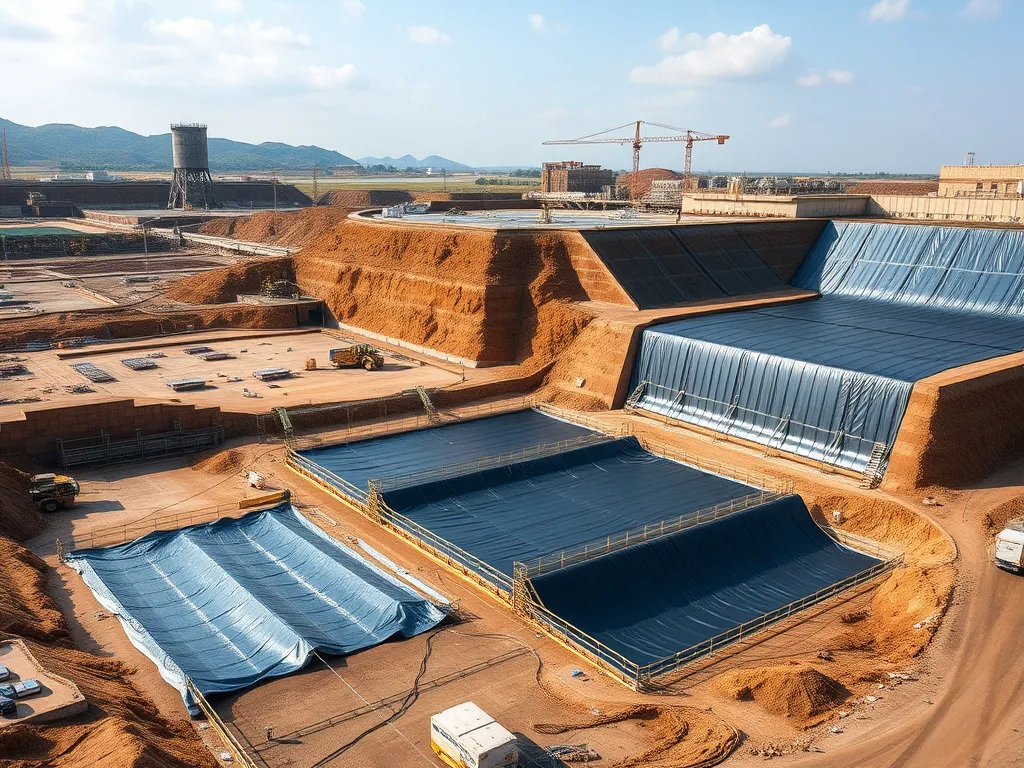
Advanced Testing Methods for Geomembranes
In today’s construction and environmental work, geomembranes are central across mining, agriculture, and waste management. Because they protect soil and water, rigorous testing is essential to quality and longevity. This article focuses on oxidative induction time (OIT) and stress crack resistance (SCR), explains how they fit with other tests, and offers practical guidance. With the right testing program, owners, designers, and contractors can match materials to site conditions, avoid premature failure, and lower life-cycle cost. The rule is simple: measure what matters before, during, and after installation to achieve dependable performance—whether the liner is HDPE, LLDPE, fPP, PVC, or a reinforced specialty product.
Understanding Geomembrane Testing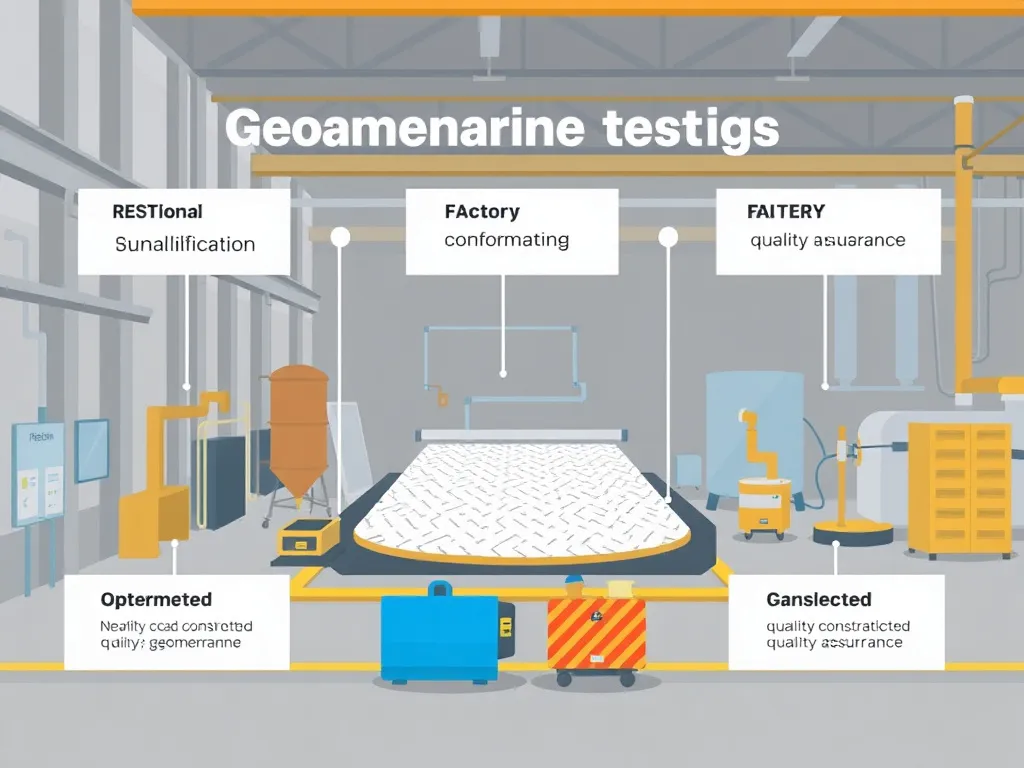
Testing verifies integrity, durability, and compliance, not merely box-checking. Programs typically span resin qualification, factory conformance, construction quality control (CQC), and field construction quality assurance (CQA), each confirming a different step from polymer to installed seams. Regulations and project specs cite standard methods and minimum criteria, often raising them for harsh thermal, mechanical, or chemical environments. When tests are planned as a coordinated suite—covering mechanical strength, chemical resistance, and durability—they indicate how a liner will behave under tensile loads, UV exposure, high temperatures, and chemical attack throughout service life. Clear acceptance criteria, sampling frequency, and data review protocols convert isolated results into a coherent picture of risk.
Oxidative Induction Time (OIT) Testing
Oxidative Induction Time measures remaining antioxidant capacity, a key driver of resistance to oxidative degradation. According to ScienceDirect , OIT per ASTM D3895 and D5885 times the onset of oxidation at elevated temperature. Antioxidants (hindered phenols, phosphites) delay oxidation during manufacture, storage, and service but are gradually consumed by heat, oxygen, and chemicals. Two approaches are used: standard OIT (isothermal DSC in oxygen) and high-pressure OIT (DSC with higher O2 pressure at lower temperature). Higher values and better retention after aging generally indicate longer oxidative stability, though OIT is a proxy rather than a direct clock. In production, reporting minimum and median values—and trending them with control charts—helps detect formulation or processing drift before it affects field performance.
The OIT Testing Process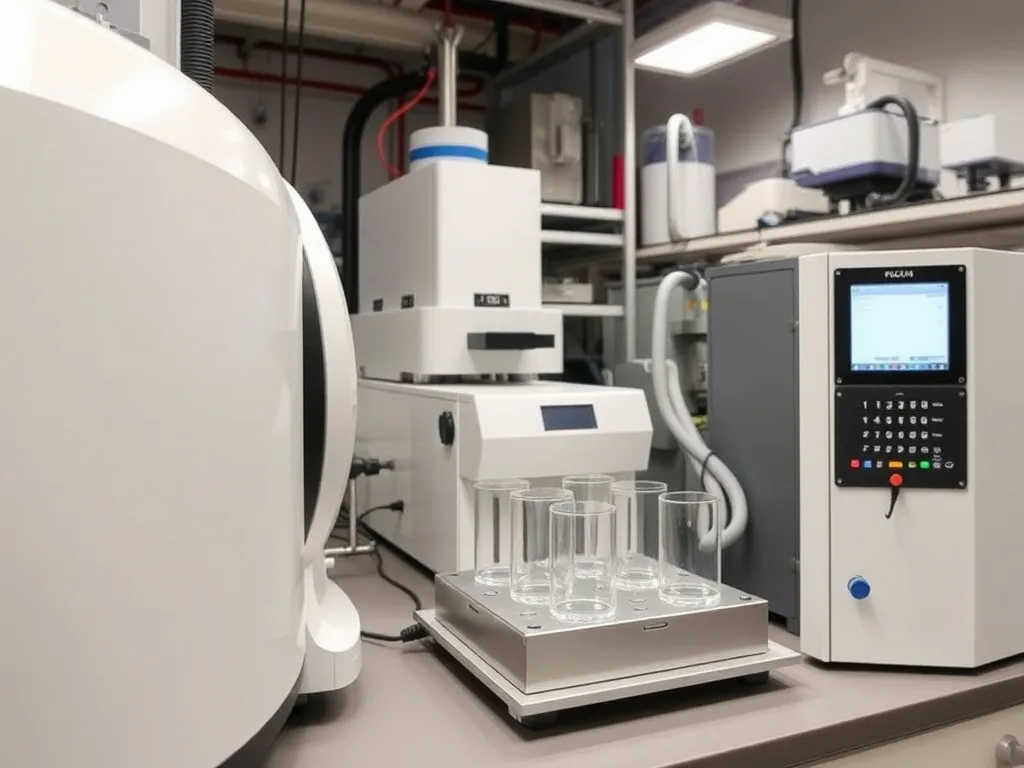
OIT testing heats a small specimen in a differential scanning calorimeter, then introduces oxygen; the exothermic onset marks induction time. Replicates, consistent thickness, and calibrated instruments limit variability, and carbon-black-filled geomembranes require especially consistent preparation. Good practice also documents sampling location (edge, center, or core of a roll), specimen conditioning, and oxygen flow or pressure settings. Specifications often set minimum standard or high-pressure OIT for product acceptance; some owners raise thresholds for hot landfills or industrial lagoons. Increasingly, engineers pair OIT with oven or UV aging to track antioxidant depletion and develop degradation curves for service-life modeling. These data, combined with site temperature histories, support more defensible estimates of when oxidation may begin to affect mechanical properties.
Stress Crack Resistance (SCR) Testing
Stress crack resistance assesses a geomembrane’s ability to resist slow crack growth under sustained stress. According to Geosynthetics Magazine , slow cracks initiate at notches, scratches, wrinkles, or seams and propagate over time, particularly in HDPE liners subjected to thermal contraction, settlement, or ballast loads. Resin density, molecular weight distribution, tie-molecule content, processing, and environmental surfactants all influence SCR, so testing is applied to both resin and finished sheet. For textured liners, which can see different local stress states than smooth sheet, SCR remains a key indicator of resilience at stress concentrators.
The SCR Testing Process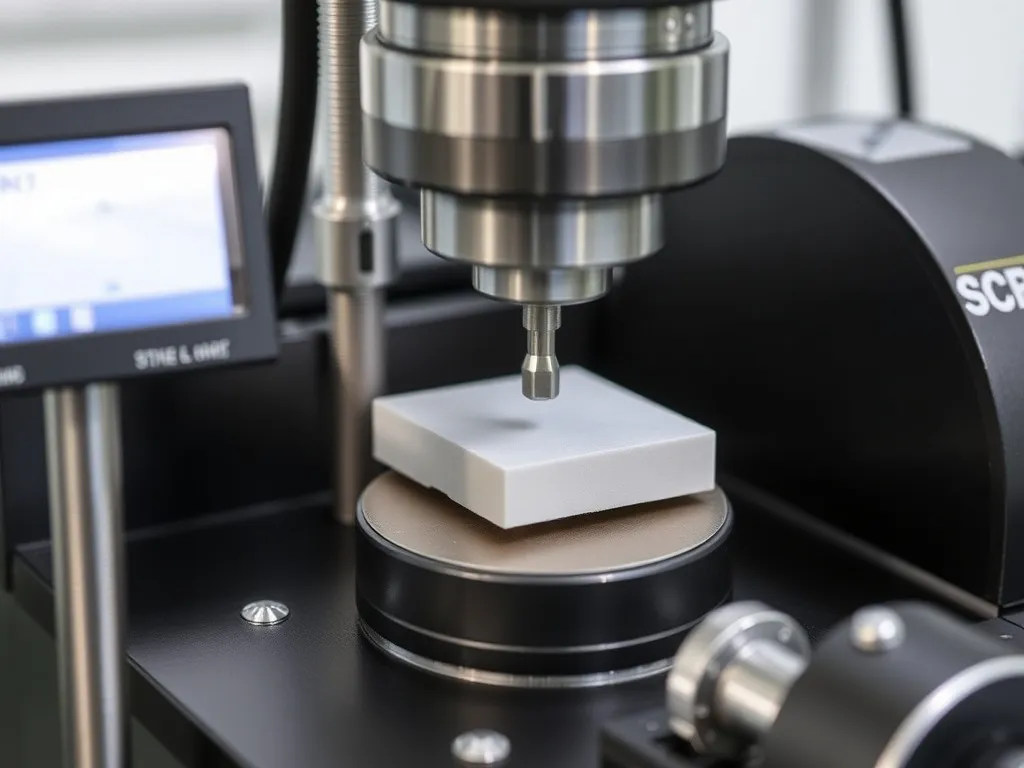
SCR is commonly measured by the Notched Constant Tensile Load (NCTL) test (ASTM D5397), where a notched specimen under constant load and elevated temperature—often in a surfactant—fails after a recorded time. Typical conditions include 50–80°C and nonionic surfactants (e.g., Igepal) to accelerate slow crack growth; precise notch geometry is critical to consistent results. Minimum failure times on the order of hundreds of hours (frequently 500 h) are typical acceptance criteria, with higher targets for aggressive conditions. Alternative or complementary methods such as FNCT or PENT help compare resins and validate trends across test types. Results gain value when evaluated alongside tensile, yield, creep, and temperature effects, recognizing that long-term deformation is a systems issue of material, installation, and geometry. Documenting replicate counts and statistical treatment (mean, minimum) further strengthens conformance decisions.
Comparisons with Other Testing Methods
While OIT and SCR are prime indicators of long-term durability, a balanced program includes other tests. Seam strength is confirmed by shear and peel testing as noted by ScienceDirect . Routine conformance covers tensile properties, elongation, puncture, tear, thickness, density, melt flow, and carbon black content/dispersion. Durability testing adds UV resistance, thermal aging, chemical immersion, and interface shear or friction angle for slope stability. Each targets a distinct failure mode—puncture for point loads, tear for damage propagation, interface shear for veneer stability, and UV for surface weathering—and field verification (leak location surveys and non-destructive seam checks) confirms the installed system performs as intended. The aim is balance: no single high metric should conceal a weakness elsewhere.
Shear and Peel Testing
Destructive shear and peel tests verify welded seam strength; non-destructive methods provide continuous coverage. Contractors produce trial seams at the start of shifts to set parameters, and CQA staff remove coupons at intervals for lab testing. Dual-track air channel testing for wedge welds and vacuum box testing for extrusion seams detect defects without removing material, enabling early repairs. Ambient temperature, wind, and substrate cleanliness affect quality, so specifications define acceptable conditions and require records of welding settings, equipment maintenance, and operator qualifications. Acceptance criteria typically reference percentages of parent-sheet strength and ductile failure modes. Together, these checks validate both material strength and workmanship.
Multi-Axial Testing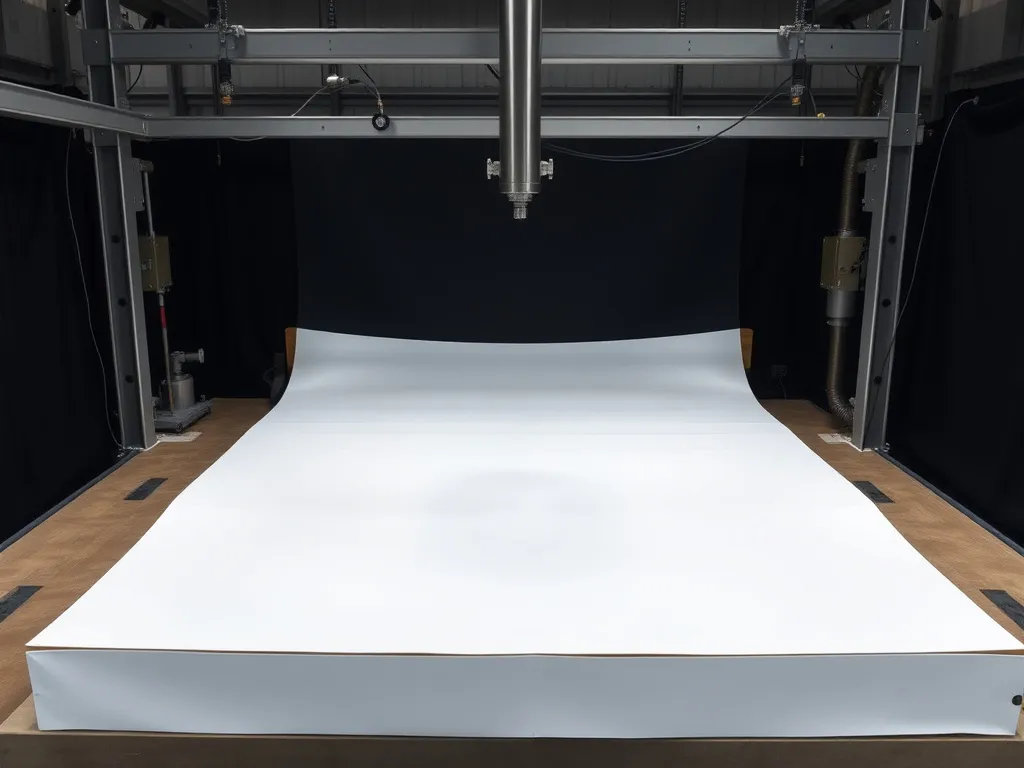
From Sage Journals , multi-axial testing subjects geomembranes to interacting stresses that better simulate service conditions than uniaxial tension. Combined effects—settlement, thermal contraction, wind uplift, and localized bearing—often occur simultaneously. For example, liners at steep-slope crests see membrane tension, cushion interaction, and differential subgrade movement. Multi-axial results reveal strain localization and guide choices on texture, thickness, and cushioning, and, paired with numerical analysis, improve details at stress concentrators like pipe penetrations and sumps. The outcome is fewer stress risers and more robust layouts under field variability.
Case Studies in Real-World Applications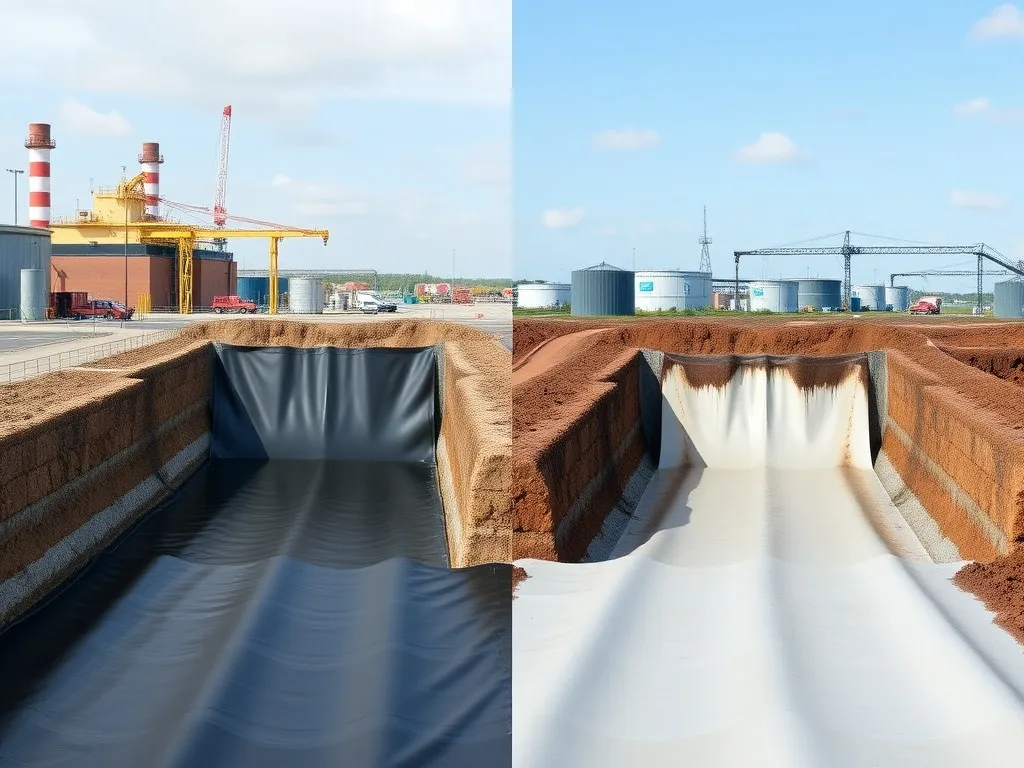
Case histories show how testing translates to performance. In industrial wastewater lagoons, prequalifying HDPE with OIT retention after thermal aging and superior NCTL results produced less embrittlement and fewer interventions. One owner compared products under accelerated aging and surfactant exposure mirroring site chemistry; the liner with higher retained OIT and longer NCTL times sustained ductility and reduced downtime. Projects that minimized prequalification sometimes saw early oxidation at exposed edges or brittle cracking near anchor trenches, forcing repairs and shutdowns. Mining heap-leach pads, produced-water impoundments, and brine ponds echo the lesson: align antioxidant capacity and slow-crack resistance with site temperatures, stresses, and chemistry.
Landfill Application
In landfill containment, inadequate OIT has preceded premature breaches and costly repairs, underscoring the need for comprehensive testing before deployment to ensure reliable containment. hyhdpemembrane.com Elevated waste temperatures, organic acids, and gases accelerate antioxidant consumption near waste–geosynthetic interfaces. Tracking OIT over time reveals degradation rates; liners with generous initial OIT and favorable depletion kinetics maintain ductility longer. High SCR helps tolerate wrinkles, down-drag forces, and thermal cycling without initiating slow crack growth. Owners who combine these metrics with robust CQA—seam testing, interface shear checks, and leak location surveys—report fewer incidents and longer maintenance intervals.
Agricultural and Aquaculture Innovations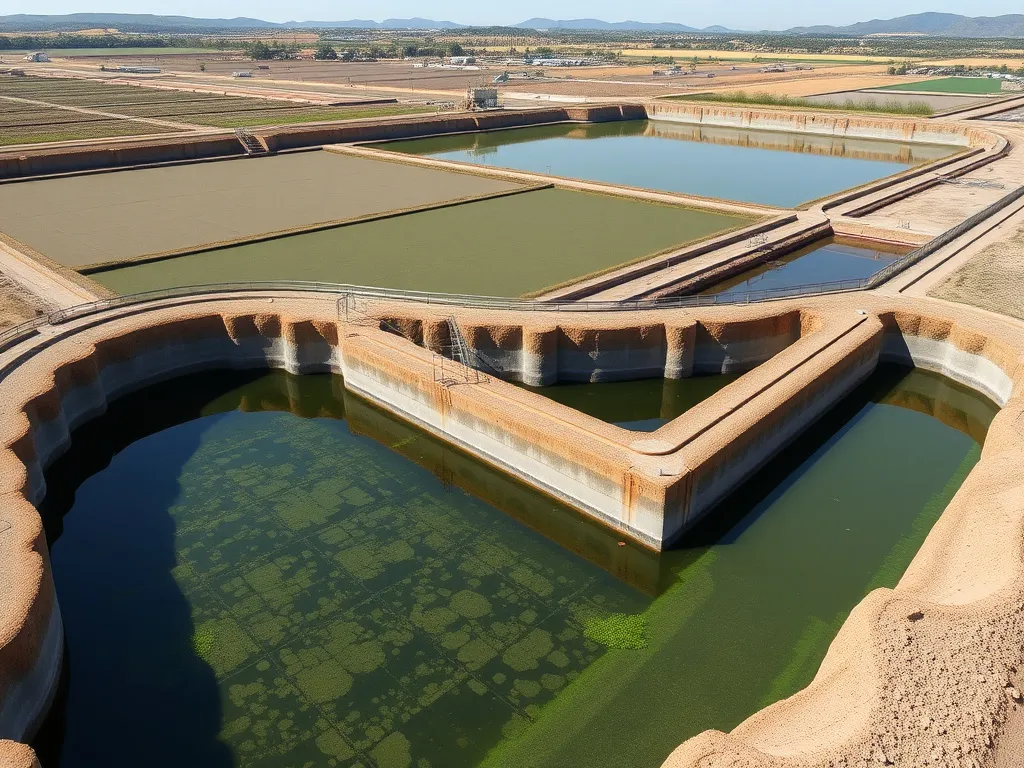
Advanced testing enables reliable agricultural and aquaculture containment. Irrigation reservoirs, canals, and ponds expose liners to sunlight, fluctuating levels, and biological activity. OIT-informed selection improves resistance to photo-oxidation and thermal aging in exposed service, while SCR supports resilience where liners drape over structures, face wave action, or contact equipment. Projects that integrated testing reported reduced seepage, better water-quality control, and confidence in fish-safe operations—even in cold climates where strong SCR and balanced mechanics limit contraction-induced defects. The practical benefits are predictable yields, lower makeup-water demand, and more consistent resource stewardship.
Conclusion
Protocols like OIT and SCR underpin long-term durability and safety. To minimize risk, teams should prequalify materials with standard and high-pressure OIT; verify SCR via NCTL with elevated targets where temperatures or chemicals demand; require factory conformance for tensile, puncture, and carbon-black metrics; and enforce field CQA with documented seam qualifications and non-destructive testing. Add UV and thermal aging for exposed service and representative immersion for chemical service. Plan for sound subgrade preparation, wrinkle management, and thoughtful panel layouts that reduce stress concentrators. Maintain traceable quality records from resin batch to installed panel so performance links to verified data. Integrated this way, liners do their job—quietly and reliably—for the design life.
Final Thoughts
With changing industry demands, geomembranes remain key to ecological sustainability. Continued advances—stronger antioxidant packages, resins tailored for slow-crack resistance, and textured surfaces for stability—pair with better leak detection and digital CQA. Emerging practices such as responsible recycled-content use and environmental product declarations can complement, but not replace, disciplined testing. The most resilient projects combine innovative materials with rigorous verification: OIT to track oxidative stability, SCR to guard against brittle fracture, and a balanced suite of mechanical and durability tests to address all likely failure modes. That approach elevates geomembranes from commodity sheets to engineered barriers that support cleaner water, safer waste containment, and efficient use of land and resources.