
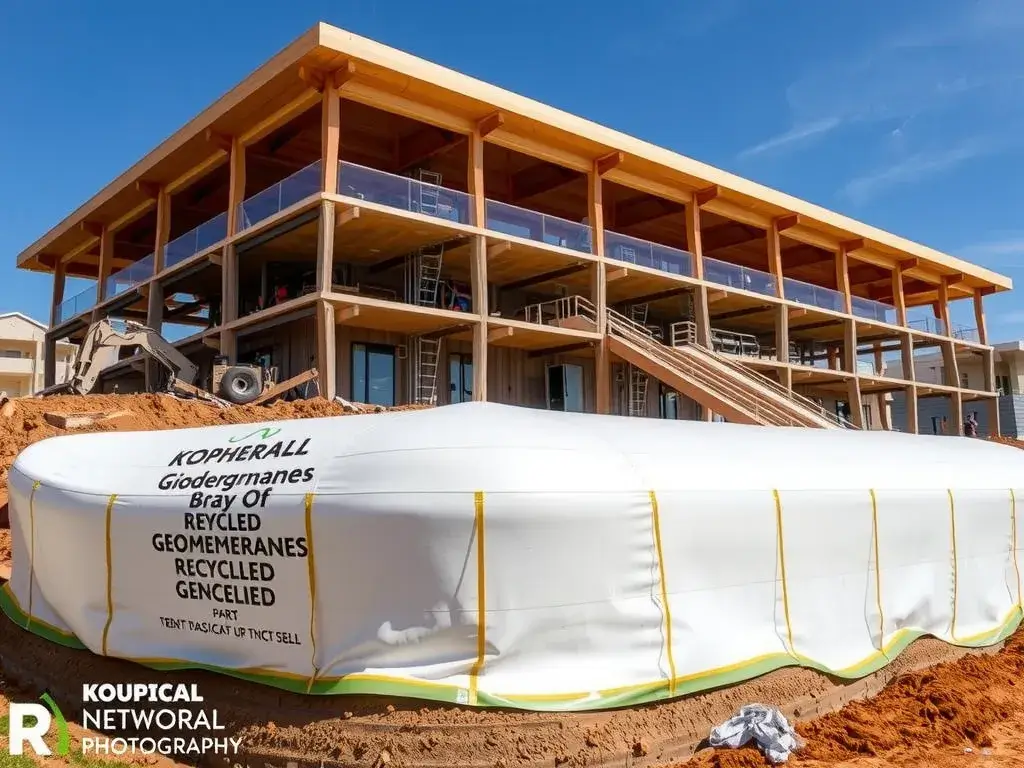
Biodegradable and Recycled Geomembranes: Paving the Way for Eco-Friendly Construction
As the global push for environmental responsibility gains speed, the construction industry is embracing materials that align with these goals. Biodegradable and recycled geomembranes are a prime example of this shift. This development marks a significant step towards greener building materials, merging environmental benefits with reliable performance. Used as liners beneath landfills, ponds, foundations, and roads, geomembranes control leakage and protect soil and groundwater, so improving their sustainability has an outsized impact.
The Significance of Eco-Friendly Materials in Construction
Today, the construction sector is under increasing pressure to lessen its significant ecological impact. Eco-friendly materials are crucial in this quest, helping cut waste and lowering carbon emissions. Biodegradable and recycled geomembranes provide a green alternative to conventional plastic layers, promoting a circular economy and fostering more sustainable progress across the industry. They support green procurement and help projects meet certification goals, enabling measurable reductions in waste, virgin material use, and embodied carbon without disrupting schedule.
Understanding Biodegradable and Recycled Geomembranes
Biodegradable geomembranes are designed to decompose at the end of their useful life without leaving harmful residues behind. Recycled geomembranes are crafted from post-consumer recycled plastics, yet maintain the same high performance standards as new materials. Both options offer significant advantages, such as less reliance on landfills and decreased use of raw materials. Biodegradation typically proceeds through microbial activity, heat, and moisture, and reputable products are tuned so breakdown aligns with the intended service life. Formulations may include bio-based polymers or blends that balance flexibility, puncture resistance, and UV stability. Recycled options often use reprocessed HDPE or LLDPE, with screening to ensure thickness, tensile strength, and seam performance. Temporary works may favor biodegradable membranes; long-term barriers suit recycled sheets with take‑back plans.
Real-World Examples & Applications
Projects across the globe have effectively utilized biodegradable and recycled geomembranes. For instance, a recent land reclamation project in Australia employed recycled geomembranes, highlighting durability while promoting environmental accountability. Municipal agencies have used recycled liners to renew stormwater ponds, while landfill caps benefit from textured surfaces that improve friction on slopes.
In Saudi Arabia, using these materials for water reservoir linings helped minimize waste and showcased a dedication to responsible resource management.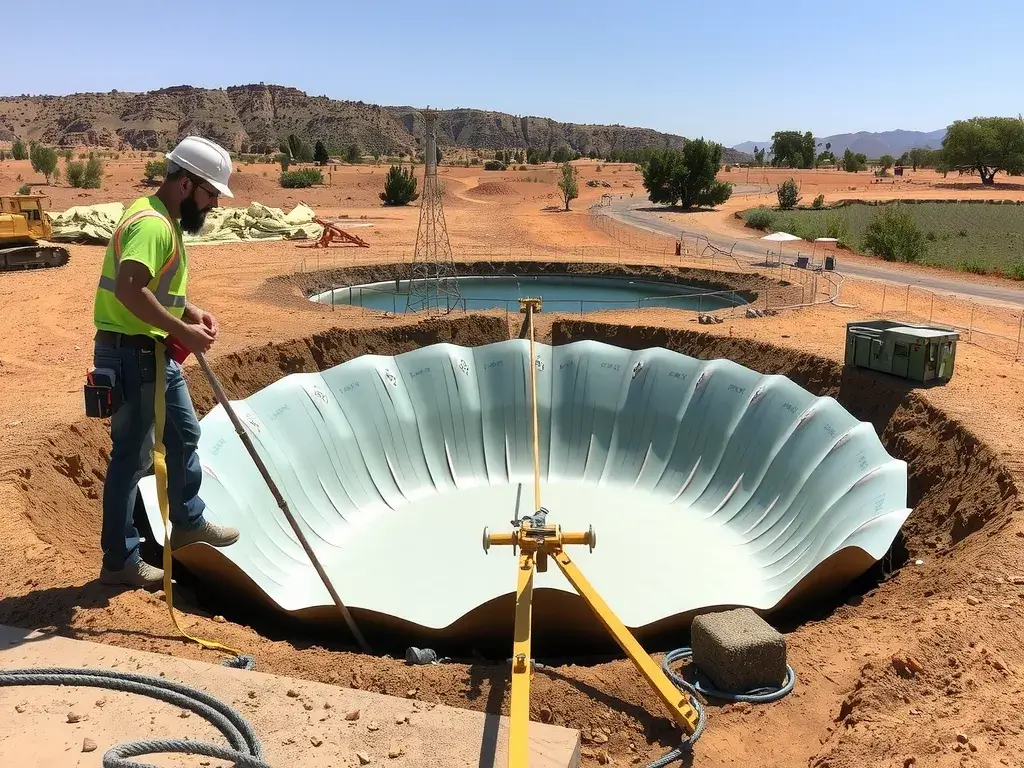 These examples demonstrate their wide-ranging applicability, from building sites to water management efforts. Biodegradable membranes support temporary sediment basins and erosion controls, offering containment that can be removed when works conclude without leaving persistent polymers.
The Future Impact of Biodegradable and Recycled Geomembranes
Looking forward, the influence of biodegradable and recycled geomembranes is anticipated to grow. As rules become stricter and public demand for eco-friendliness increases, these materials provide a competitive advantage. They fulfill current performance requirements while adhering to evolving environmental criteria. Expect owners to specify recycled-content thresholds, material traceability, and producer responsibility programs that fund collection and reprocessing, pushing markets toward consistent quality and pricing.
Companies like GPF are leading the way, advancing the use of environmentally friendly solutions ready to meet the industry’s changing needs. By collaborating with designers and installers, they refine formulations, provide QA/QC training, and pilot take‑back programs that turn spent sheets into products.
Conclusion
Biodegradable and recycled geomembranes represent the future of eco-friendly construction. By embracing these materials, the industry can lessen its environmental impact while ensuring the durability needed in construction projects. Through continuous innovation and a dedication to sustainability, GPF is set to spearhead the adoption of these forward-thinking solutions. It signals that durable, compliant infrastructure can conserve resources and protect ecosystems for future communities.