
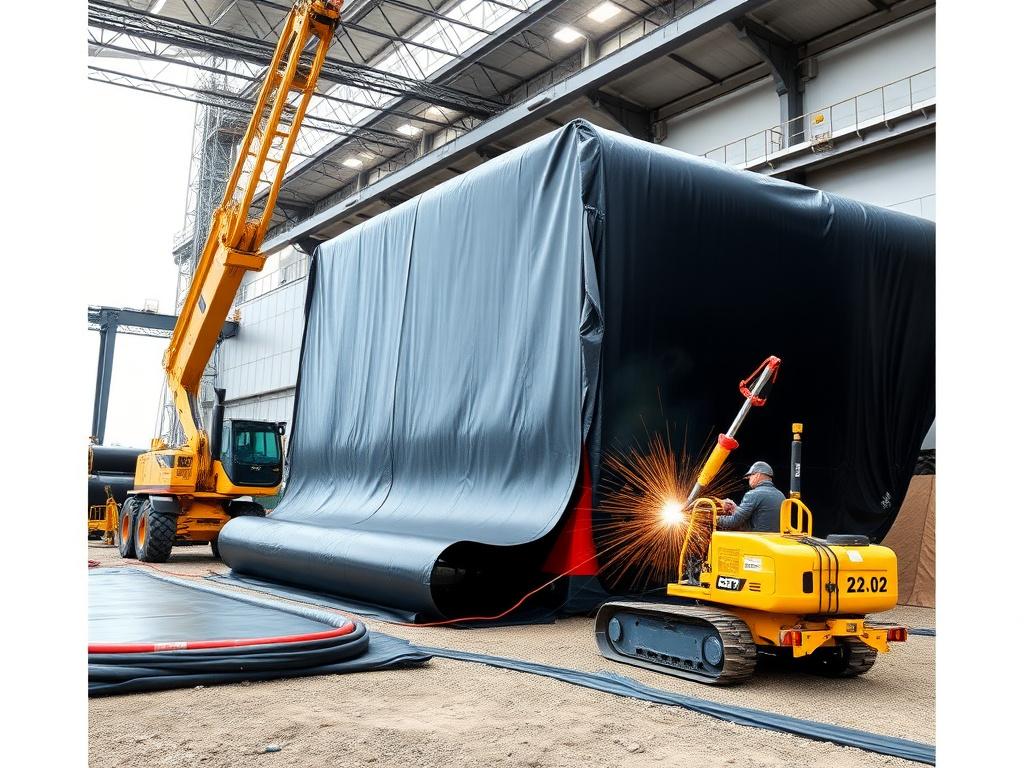
Preparing Geomembrane Installations for the Future: Strategies for 2026
As building and industrial projects increasingly demand effective containment solutions, geomembranes have become vital to contemporary infrastructure. From mining tailings dams and municipal landfills to potable water reservoirs, secondary spill containment, aquaculture, and stormwater control, these engineered barriers underpin environmental protection and operational reliability. With regulations changing, technology evolving, and sustainability taking center stage, preparing geomembrane installations for the future is crucial for lasting performance and compliance. The most competitive organizations are already pairing traditional fieldcraft with data-rich quality controls, advanced materials, and lifecycle thinking. This guide highlights 2026 strategies to help industry experts adjust and succeed, emphasizing practical steps that improve constructability, durability, and documentation without inflating cost or risk.
Understanding Forthcoming Regulatory Trends
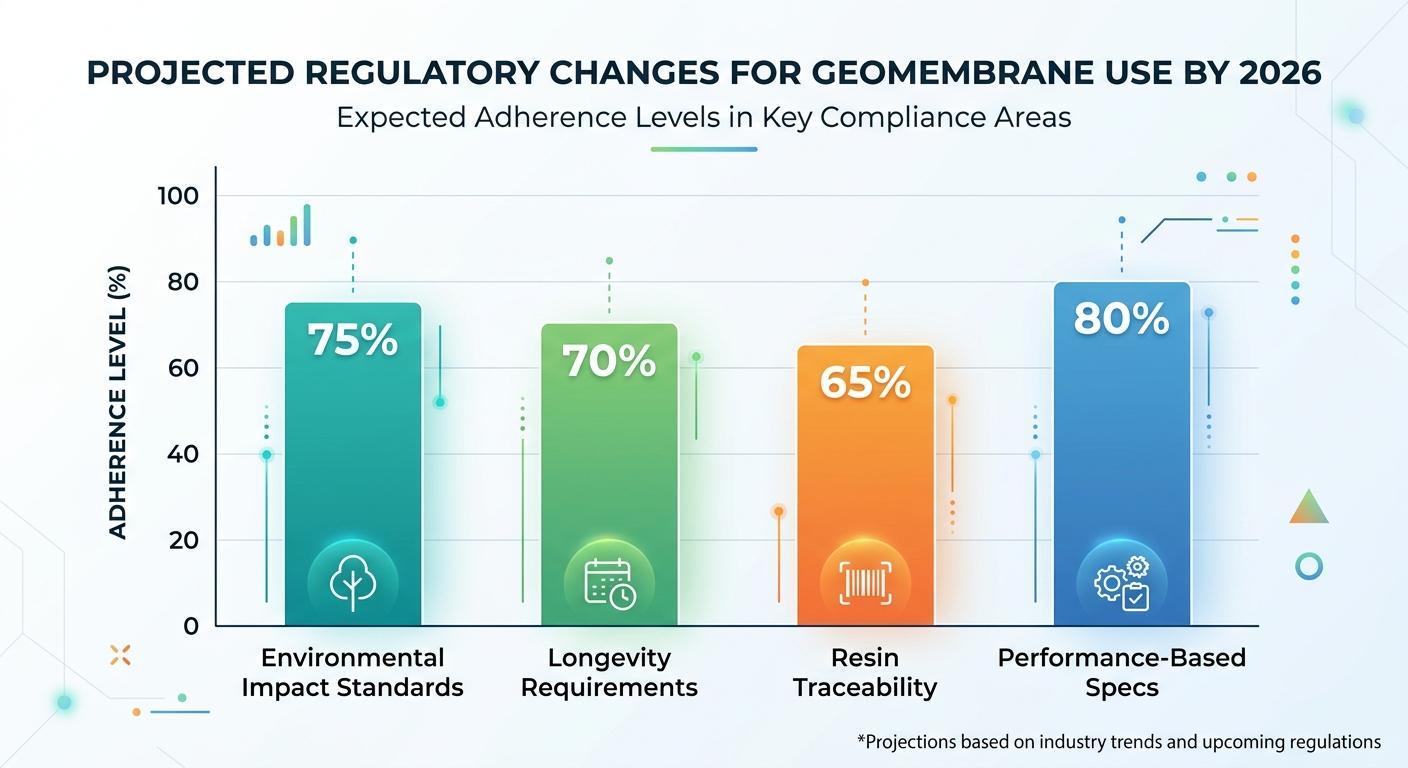
Rules governing geomembrane use are expected to change significantly by 2026. New guidelines will likely emphasize environmental impact and longevity, aligning with emerging global environmental policies and standards. There is growing pressure for projects to meet stricter standards for waste management and water conservation. Many jurisdictions are also harmonizing acceptance criteria for resin traceability, panel labeling, and QA/QC record retention so that authorities can verify installation history years after commissioning. Specifications increasingly cite performance-based requirements alongside well-known benchmarks such as GRI GM13/GM17, ISO test methods for tensile and puncture performance, and local standards for potable-water contact and chemical resistance.
For instance, reducing the carbon footprint of geomembrane materials is gaining more attention. Guidelines now recommend sustainable materials and lifecycle analysis to promote durability and minimize environmental impact. Procurement teams are being asked to preference suppliers with Environmental Product Declarations (EPDs), transparent chain-of-custody documentation, and evidence of responsible additives management (e.g., antioxidants, UV stabilizers, and carbon black content). Engineers must stay informed on local and international updates to avoid compliance problems, from evolving landfill gas management rules and leachate containment requirements to water loss limits in reservoirs. A simple, future-ready approach is to map applicable codes early, write specifications that reference both current and pending standards, and build in submittal requirements for EPDs, QA plans, and post-installation monitoring so owners can demonstrate conformance over the asset’s life.
Technological Progress in Installation Techniques
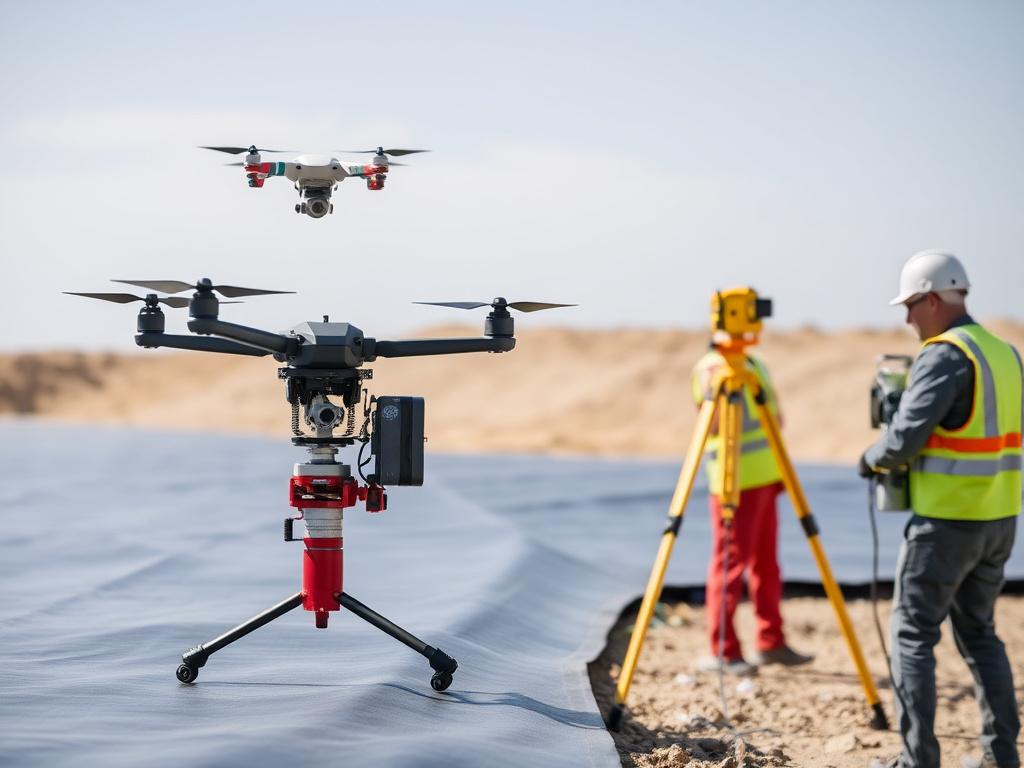
The push for efficient, reliable geomembrane installations has spurred advancements in installation methods. Innovations like automated welding equipment, smart geomembrane systems, and improved real-time monitoring are becoming industry norms. Digital wedge welders that log temperature, speed, and pressure create auditable seam datasets; GNSS-enabled layout tools reduce panel cutting waste; and drones provide high-resolution as-built imagery to confirm coverage, overlaps, and anchor trench execution. When combined with pre-construction trials and technician certifications, these tools translate into fewer field surprises and faster commissioning.
Advanced welding techniques, including hot wedge and extrusion welding, have enhanced seam strength while cutting installation time. These methods boost reliability and lifespan, addressing common issues such as seam failures and leaks. Using precise installation techniques helps prevent early failures and extends the geomembrane’s lifespan. Field teams now routinely conduct trial seams at the start of each shift, perform destructive peel-and-shear tests to verify parameters, and follow with non-destructive testing such as air-channel testing of dual-track seams or vacuum box testing on details. Attention to substrate preparation, temperature windows, wind management, and wrinkle control is equally critical: well-compacted, smooth subgrade; sandbag ballasting to prevent uplift; strategic panel deployment to manage thermal contraction/expansion; and correctly dimensioned anchor trenches collectively reduce stress concentrations and long-term damage potential.
Recent innovations also include smart liners with built-in leak detection sensors that provide real-time data and alerts on potential issues. This capability allows for preventive maintenance scheduling and proactive risk management, supporting the durability and efficiency of geomembrane systems. Electrical leak location (ELL) techniques—water puddle, dipole, or arc testing—are increasingly specified at commissioning and after major storms to verify integrity. Some systems add conductive backing layers to enable high-sensitivity surveys, while others pair fiber-optic distributed sensing to detect temperature anomalies from seepage. Data gateways can stream condition information into SCADA or asset-management platforms, enabling predictive maintenance based on anomaly trends rather than calendar intervals, a meaningful step toward digital twins for containment assets.
Case Studies: Successful Future-Proof Installations
Reviewing successful installations offers valuable insights into future-proofing strategies. In a noteworthy project, an HDPE geomembrane installed in an industrial wastewater containment facility was chosen for its strength and resistance to chemical exposure. By using advanced installation techniques and strict quality control, the project achieved extended lifespans, demonstrating the effectiveness of modern geomembrane systems. The contractor implemented full seam datalogging, shift-by-shift trial seams, and 100% non-destructive testing, then verified critical details through destructive sampling at statistically defined intervals. After commissioning, quarterly ELL surveys and drone-based visual inspections were added to the maintenance plan. Over five years of operation, the facility reported zero measurable leakage events, reduced unplanned shutdowns linked to containment issues, and quantified OPEX savings tied to lower make-up water demand and fewer emergency repairs.
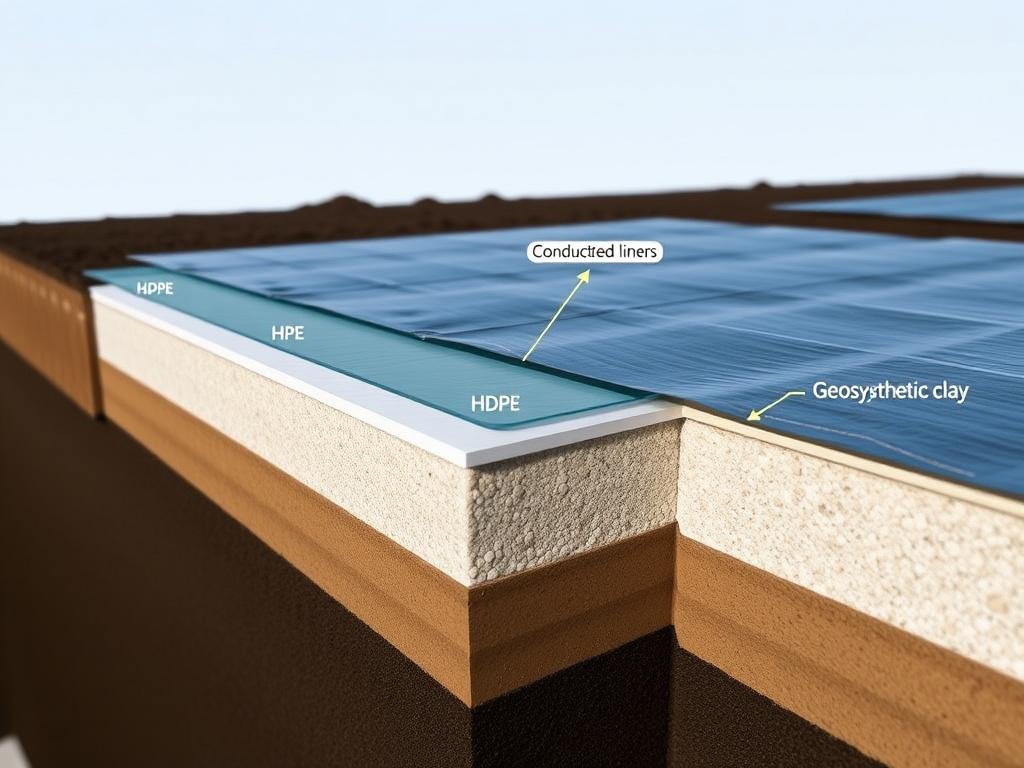
Another example is a landfill project that implemented a multi-layer geomembrane approach with an emphasis on environmental sustainability. The system used recycled content for non-critical layers, reducing the overall carbon footprint while maintaining structural integrity in critical applications. The designer specified virgin HDPE meeting GRI GM13 for the primary containment layer, a conductive-backed liner to enable ELL verification, and a geosynthetic clay liner (GCL) for composite performance, while allowing certified recycled content in protective geotextiles and certain cover elements. These strategies show how combining innovative materials with meticulous engineering can prepare geomembrane installations for expected regulatory and environmental challenges. Most notably, the owner embedded a comprehensive data package—EPDs, test reports, welder certifications, seam logs, and as-built imagery—into a centralized digital repository. When audited two years later, the project easily demonstrated conformance and achieved an extended operating permit without additional field testing.
Preparing for Future Challenges
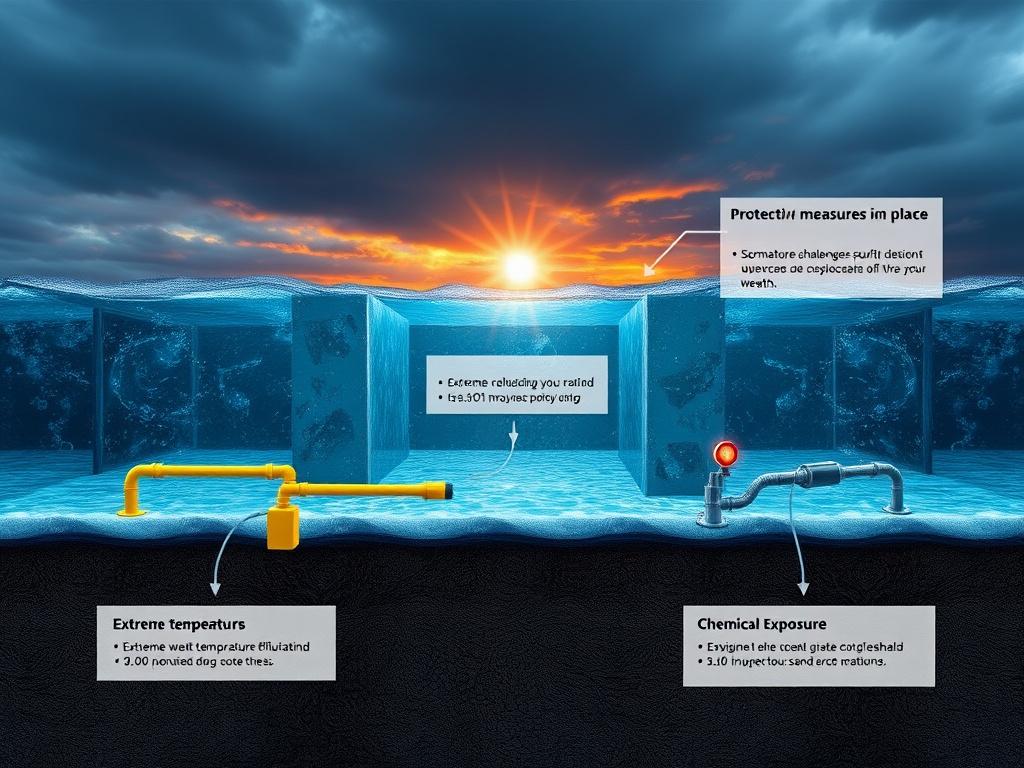
With ongoing advances and regulatory changes, preparation is crucial. Organizations that stay responsive to technological developments, material innovations, and compliance standards position themselves as industry leaders. Practical readiness includes investing in workforce capability—such as certifying crew members through programs like IAGI CWT—while adopting field-proven QA/QC protocols that can be executed under real-world constraints. It also means planning site logistics to protect liner rolls from damage and UV exposure, staging panels to minimize handling, and scheduling installation during favorable weather windows to reduce thermal stress and wind uplift risks. Building resilience into specifications—through minimum antioxidant levels (OIT), stress crack resistance, puncture resistance, and interface shear strength testing—helps ensure performance even as climates trend hotter, wetter, or more extreme.
From adopting sustainable materials like recycled and hybrid geomembranes to using predictive modeling for maintenance planning, companies must embrace innovation while protecting the environment. As suggested by recent studies, maintaining geomembrane performance through precise material selection and installation practices is critical for maximizing lifespan and minimizing environmental impact bpmgeosynthetic.com . Teams can further reduce risk by conducting site-specific direct shear testing for veneer stability, modeling wind uplift and wave run-up on exposed reservoirs, and validating anchor trench details against local soils and frost depth. A structured risk register—covering subgrade differentials, chemical compatibility, settlement, gas pressures, seismic loading, and third-party damage—supports targeted mitigations such as thicker liners at stress points, gas relief layers, or protective geotextiles. Finally, supply-chain resilience matters: prequalify multiple manufacturers, verify resin certificates of analysis, and require factory roll numbers to be traceable to field seam logs for complete cradle-to-install traceability.
Embracing Sustainability in Material Selection
Future-proofing geomembrane installations also means prioritizing sustainability in material selection. The shift toward low-impact, sustainable materials aligns with global environmental goals and offers cost-effective, long-term solutions. Sustainable liners, even when recycled, must meet strict standards to ensure durability and compatibility across applications ecogeomat.com . Selection should begin with the exposure, chemical, and mechanical demands of the asset: HDPE for high modulus and chemical resistance; LLDPE for superior flexibility and subgrade conformance; fPP and PVC where detail work and cold-weather handling matter; CSPE or EPDM for long-term UV exposure in certain reservoirs. Where embodied carbon is a concern, designers can compare EPDs, optimize thickness without compromising safety factors, and use recycled content in non-critical layers backed by third-party verification or mass-balance accounting.
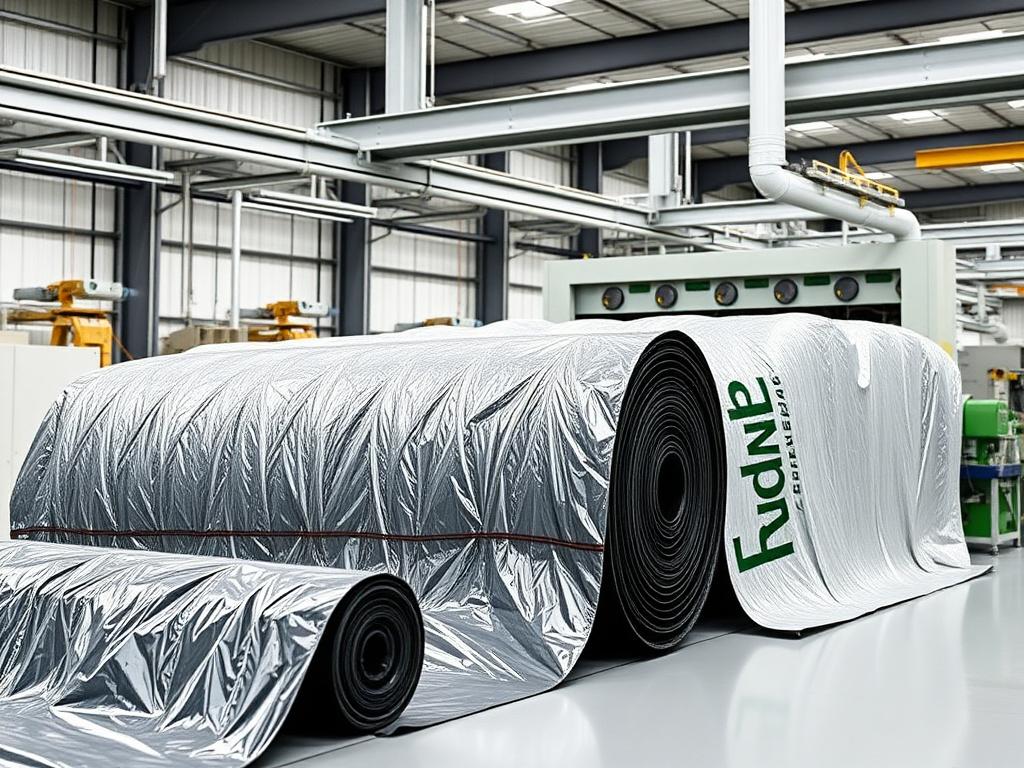
Integrating advanced material science with sustainability, such as the “co-extrusion” of recycled and virgin HDPE materials, supports a comprehensive lifecycle approach to geomembrane design. This ensures installations meet environmental demands without compromising quality or performance. Longevity hinges on resin quality and additives: appropriate carbon black loading for UV protection, antioxidant packages to delay thermal oxidation (validated via OIT testing), and formulation controls to maintain stress crack resistance over decades. Designers can also plan for end-of-life by specifying materials compatible with take-back and recycling programs, using mechanical protection layers that avoid bonding, and documenting product passports that preserve identity for future reuse. Transportation and handling practices—tight loading plans, reduced roll damage, and fewer site returns—offer additional carbon and cost savings, reinforcing that sustainability is as much about execution as it is about material choice.
Conclusion
As 2026 approaches, the geomembrane industry is entering a transformative period shaped by innovation, regulation, and sustainability. By leveraging technological advances and adopting environmentally responsible practices, the industry can anticipate challenges and opportunities. Owners who combine robust specifications, certified installation teams, comprehensive QA/QC (including ELL and as-built documentation), and digital monitoring will see fewer leaks, longer service lives, and clearer audit trails. Adapting to these changes will strengthen compliance, enhance environmental stewardship, and build economic resilience, positioning companies at the forefront of geomembrane excellence. The path forward is practical and actionable: design for durability, document rigorously, monitor intelligently, and engage suppliers who can substantiate performance and sustainability claims with data.
For more information on our high-quality geomembranes and installation support, visit GPF . Our commitment to sustainability and innovation ensures your projects achieve superior performance today and tomorrow. Whether you need specification support, EPDs and material submittals, installer training, or post-installation monitoring strategies, our team can help you assemble a future-ready approach tailored to your site, schedule, and regulatory context.