
Geomembrane Liners for Landfills: How HDPE Protects Soil and Groundwater
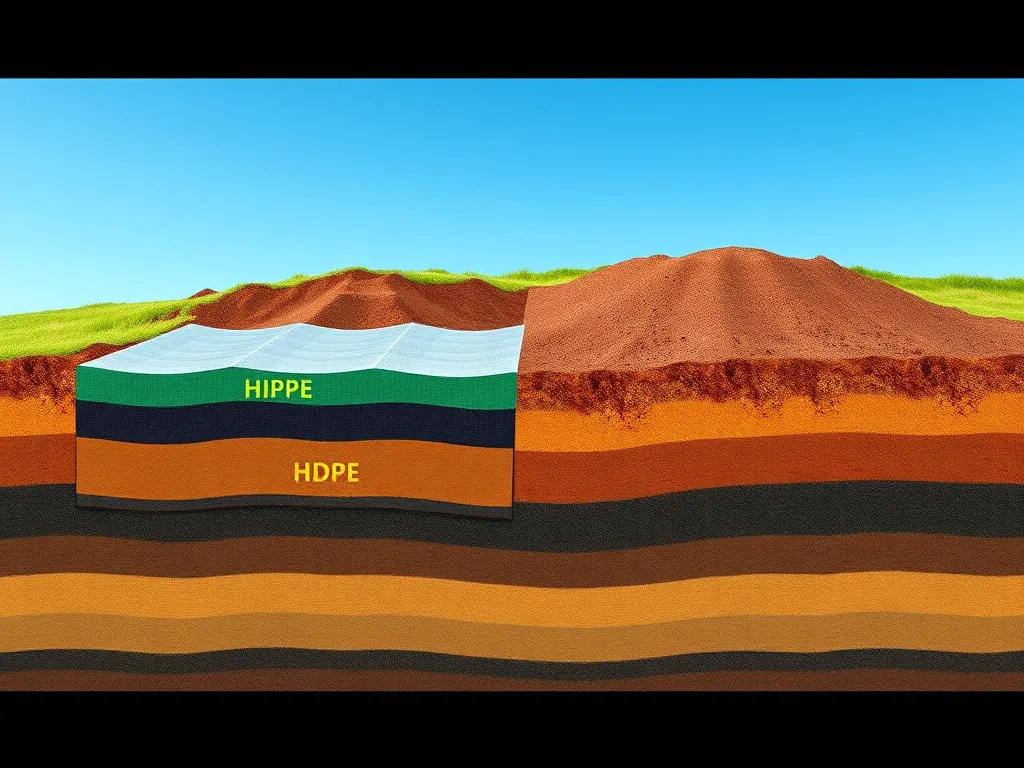
As sustainability takes center stage, protecting soil and groundwater from landfill contamination is vital. High-Density Polyethylene (HDPE) geomembrane liners are core to modern landfill engineering, providing a long-term barrier against pollutants. They address complex leachate chemistry—organic acids, heavy metals, salts, and emerging contaminants like PFAS—by limiting transport through soils. Effective liners also curb invisible groundwater plumes that can migrate beyond site boundaries, safeguarding water supplies and ecosystems.
HDPE geomembranes are widely used for their resilience and effectiveness. This article focuses on landfill applications, highlighting features, advantages, and advances that meet or exceed GRI-GM13 and GRI-GM17. Compared with PVC or bituminous membranes, HDPE offers superior chemical resistance, durability, and lifecycle value. Its performance is supported by rigorous testing and decades of field data, giving operators confidence that designs will perform in service.
The following sections cover design, implementation, and regulatory compliance, plus real-world applications and practical guidance. Our goal is to equip landfill managers, engineers, and environmental specialists to make informed decisions on HDPE liners—from active cell operations to new builds and closure—improving risk management, regulatory approvals, and lifecycle costs.
Understanding Geomembrane Liners: The Foundation of Landfill Safety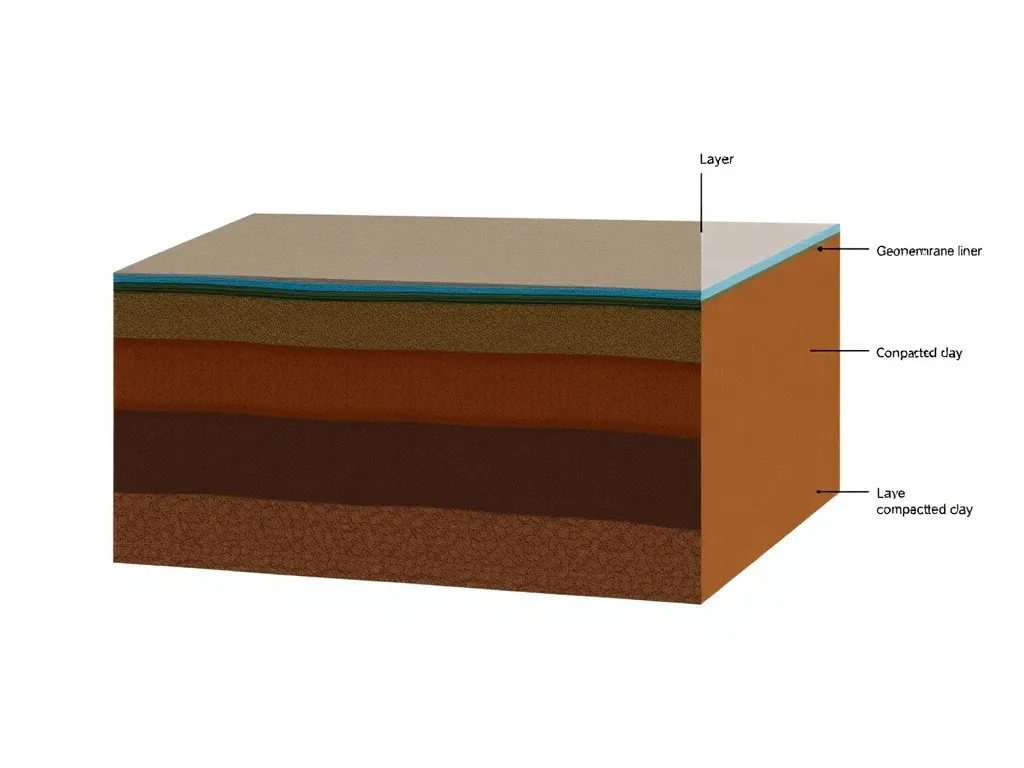
Geomembrane liners are impermeable barriers that prevent landfill leachate from migrating into soil and groundwater. Many jurisdictions require a composite system—geomembrane over compacted clay or a geosynthetic clay liner (GCL)—which sharply reduces leakage. Integrated with leachate collection, drainage geonets, and protective geotextiles, the liner forms an engineered barrier that controls hydraulic head, dissipates pressure, and facilitates maintenance.
Composition and Properties of HDPE Geomembranes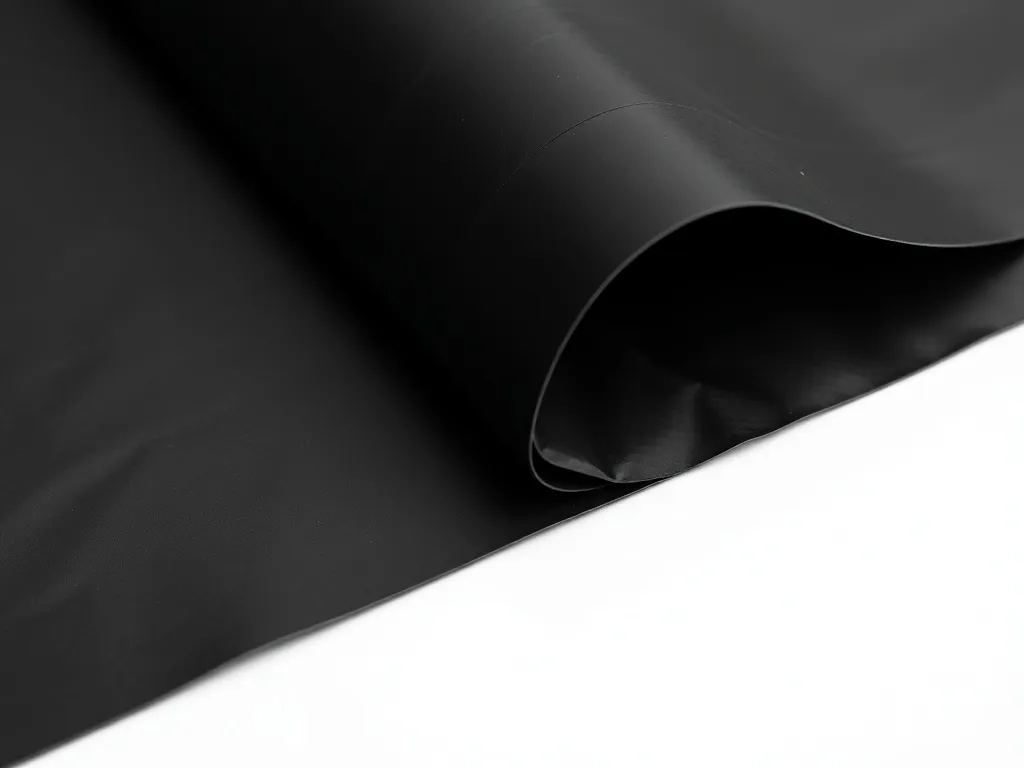
HDPE geomembranes are produced by polymerizing ethylene into a dense, strong material. They are known for their:
- High chemical resistance: resists acids, bases, salts, and many hydrocarbons, maintaining integrity across variable leachate chemistry and temperature swings.
- Outstanding mechanical properties: high tensile strength and durability; resists puncture and tear when properly protected, while remaining flexible enough to accommodate differential settlement.
- UV and environmental stress-cracking resistance: stabilizers and carbon black help the liner withstand sunlight and soil conditions, especially during installation and on side slopes.
These traits make HDPE a preferred long-term landfill liner. Modern formulations use antioxidants and UV stabilizers to delay oxidation and carbon black for sunlight resistance. Products range from sub-millimeter to several millimeters, selected for design loads and service life. Blown film and flat-die extrusion yield consistent sheets with tight tolerances, and QC verifies density, carbon black dispersion, and stress-crack resistance.
How HDPE Protects Soil and Groundwater
HDPE geomembranes serve as barriers between waste and the environment. They protect by:
- Leachate Containment: An impermeable barrier that stops leachate from seeping into soil. In composite liners over clay or GCL, intimate contact seals minor defects and restricts flow paths, dramatically reducing leakage.
- Groundwater Shielding: Shields aquifers by preventing contaminant entry. Monitoring wells and leak-detection zones enable early identification and corrective action before off-site impacts.
- Gas Containment: Helps trap methane and other gases, reducing exposure and flammability risk. Integrated with gas collection, liners support energy recovery, lower greenhouse emissions, and may enable carbon credits.
Technological Advancements in HDPE Geomembranes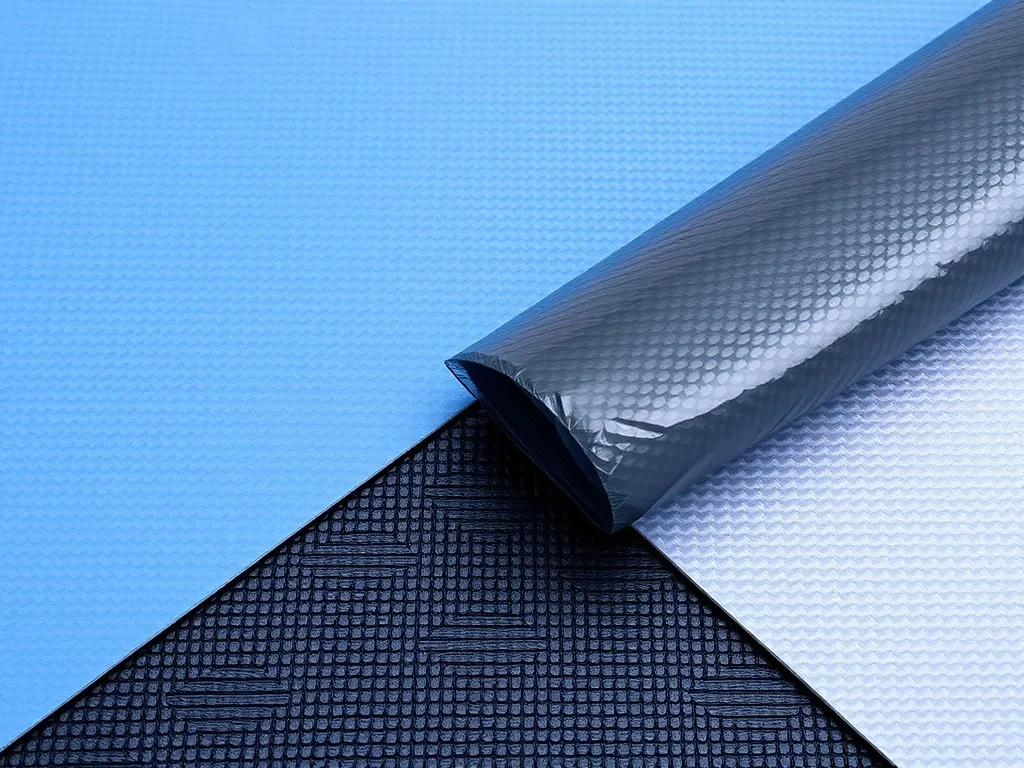
Recent advances include resins with higher stress-crack resistance, conductive-backed liners for precise leak detection, and co-extruded white surfaces that reduce installation temperatures and wrinkling. Wider rolls and optimized panel layouts cut seaming length, speed installation, and yield more uniform barriers.
Textured Surfaces and Multilayered Protection
Textured HDPE increases interface friction with soils, geotextiles, and drains, improving stability on steep slopes. Multilayer designs add puncture resistance. Cushioning geotextiles distribute point loads, and reinforcing scrims or co-extruded skins improve durability and aid construction on challenging subgrades.
Installation Techniques and Quality Assurance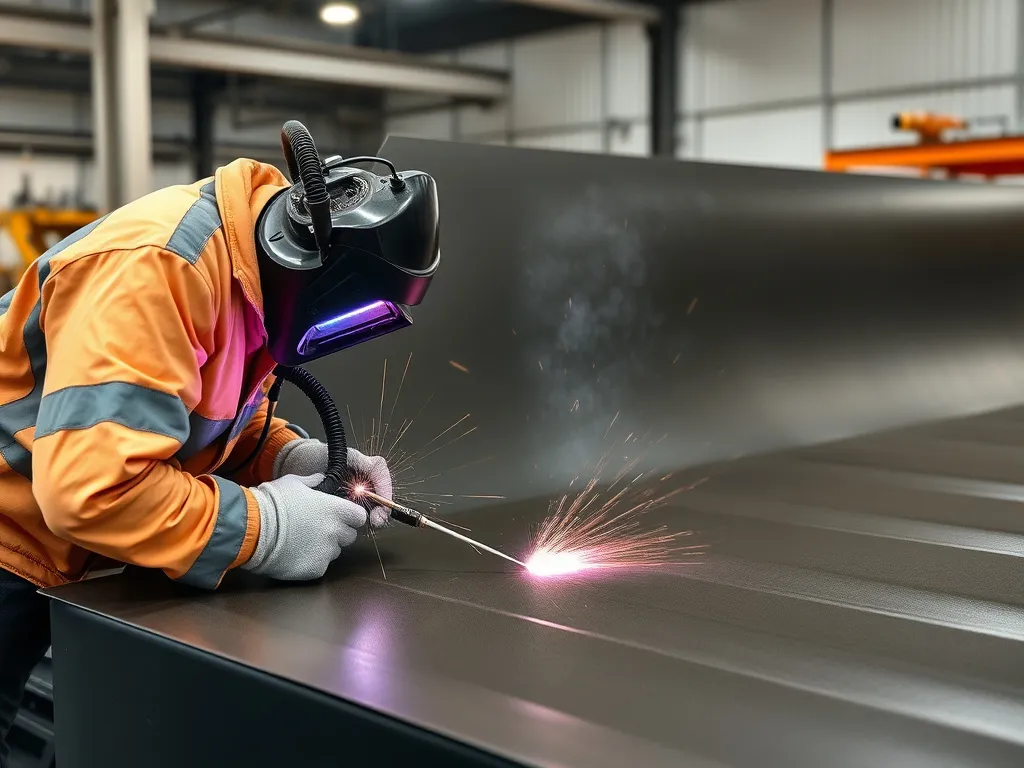
State-of-the-art welding and seaming securely join liners. Dual-track hot-wedge seams create a pressurized air channel for continuity checks; extrusion fillet welds handle details around penetrations. Non-destructive testing—vacuum box and electrical leak location—complements destructive peel and shear tests on seam coupons. Robust Construction Quality Assurance (CQA) plans record panel layout, conditions, repairs, and test results, supporting compliance and long-term confidence.
Implementation Guide for HDPE Liners in Landfill Projects
Implementing HDPE liners requires careful planning and execution. Key steps:
- Site Assessment: Evaluate site suitability and conditions. Assess subgrade stability, drainage, and potential differential settlement; perform geotechnical testing to inform thickness and texture. Consider climate extremes and logistics for delivery, storage, and weather protection.
- Design Specification: Customize specs to site and waste type. Define thickness, texture, and geocomposites; detail interfaces with leachate collection, sumps, risers, and penetrations. Build redundancy via composite liners, protective geotextiles, and leak-detection layers, aligned with standards, design life, and chemical exposures.
- Installation: Use trained professionals. Prepare a smooth, compacted subgrade; optimize panel layout to minimize seams; weld under suitable weather with continuous parameter monitoring. Protect the liner with proper traffic control and promptly ballast to limit wind uplift and wrinkling.
- Inspection and Monitoring: Perform non-destructive seam testing across all accessible lengths; take destructive samples at defined frequencies; map repairs in as-builts. During operations, track leachate head levels, inspect sumps and pumps, and run periodic leak-detection surveys, especially after major work.
Case Studies and Industry Applications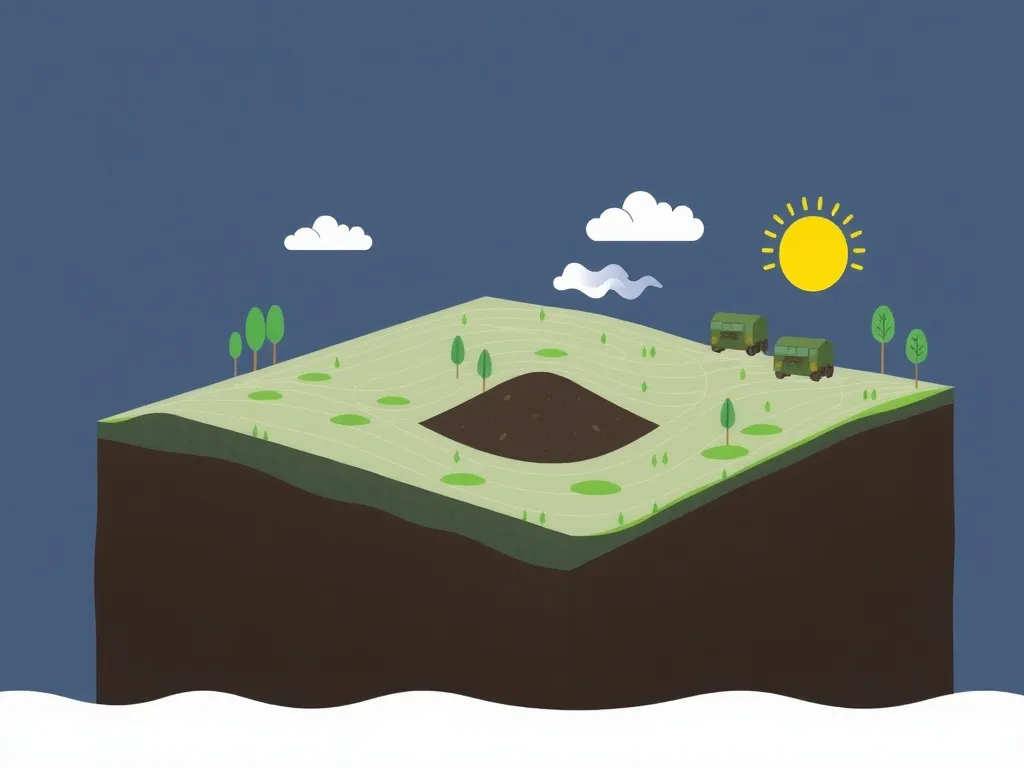
Projects around the world demonstrate the successful use of HDPE geomembranes in landfills. For example:
“A Northern Europe landfill used HDPE over three hectares, with environmental studies confirming a 98% drop in soil contamination.” A semi-arid municipal site adopted a composite HDPE–GCL liner with a high-transmissivity drain; five years of monitoring showed low head, no off-site groundwater impacts, and reduced maintenance. In a coastal saline setting, textured HDPE on steep slopes improved stability, and conductive-backed liners enabled pinpoint detection and repair of two minor defects during commissioning.
These cases show geomembranes’ critical role in modern waste management and the value of integrating design, material selection, and rigorous CQA. Performance depended on geotechnical conditions, construction sequencing, and long-term operations—not the geomembrane alone.
Compliance and Standards: Aligning with Global Environmental Expectations
Adhering to regulations and standards such as GRI-GM13 and GRI-GM17 ensures ethical practice and technical efficacy. Certification validates performance claims. Many regions adopt frameworks such as U.S. EPA Subtitle D or the European Landfill Directive mandating composite liners, leachate capacity, and monitoring. Compliance typically requires third-party CQA, factory QC documentation, and traceable roll numbers linked to field locations.
International Standards and Best Practices
Ensure compliance with ISO and local standards. Verify manufacturer certifications for quality and environmental management, confirm lab accreditation, and require index tests for tensile properties, stress-crack resistance, carbon black content, density, and puncture strength. Comprehensive CQA plans should define installer qualifications, welding procedures, test frequencies, acceptance criteria, and repair protocols, embedding these requirements in specifications and submittals.
Conclusion: Embracing Sustainable Landfill Management
HDPE geomembrane liners provide robust environmental protection for landfills. Understanding their benefits, applications, and compliance needs helps stakeholders run facilities that are both efficient and responsible. Well-designed HDPE systems safeguard communities, reduce long-term liabilities, and avoid costly groundwater remediation.
Adopting advanced containment such as HDPE liners offers practical mitigation. Using proven materials that meet high standards—paired with gas-to-energy, responsible leachate treatment, and strong monitoring—amplifies environmental benefits and delivers reliable, decades-long performance.
Stakeholders should track advances and regulations, investing in training, quality assurance, and periodic performance reviews. When these elements align, HDPE geomembranes deliver resilient, verifiable protection that supports compliance and community trust.