
Geomembranes in Oil & Gas Drilling: Balancing Effectiveness and Environmental Responsibility
In a changing energy landscape, operators must increase efficiency while minimizing environmental harm. Geomembranes have become a crucial tool, uniting stewardship with daily performance. Rising expectations from regulators, investors, and communities make spill prevention and water protection core measures of excellence. By delivering predictable containment, geomembranes help manage risk, protect water, and uphold a social license to operate. They also standardize field practices, strengthen documentation, and demonstrate continuous improvement over a project’s life.
The Role of Geomembranes in Oil & Gas
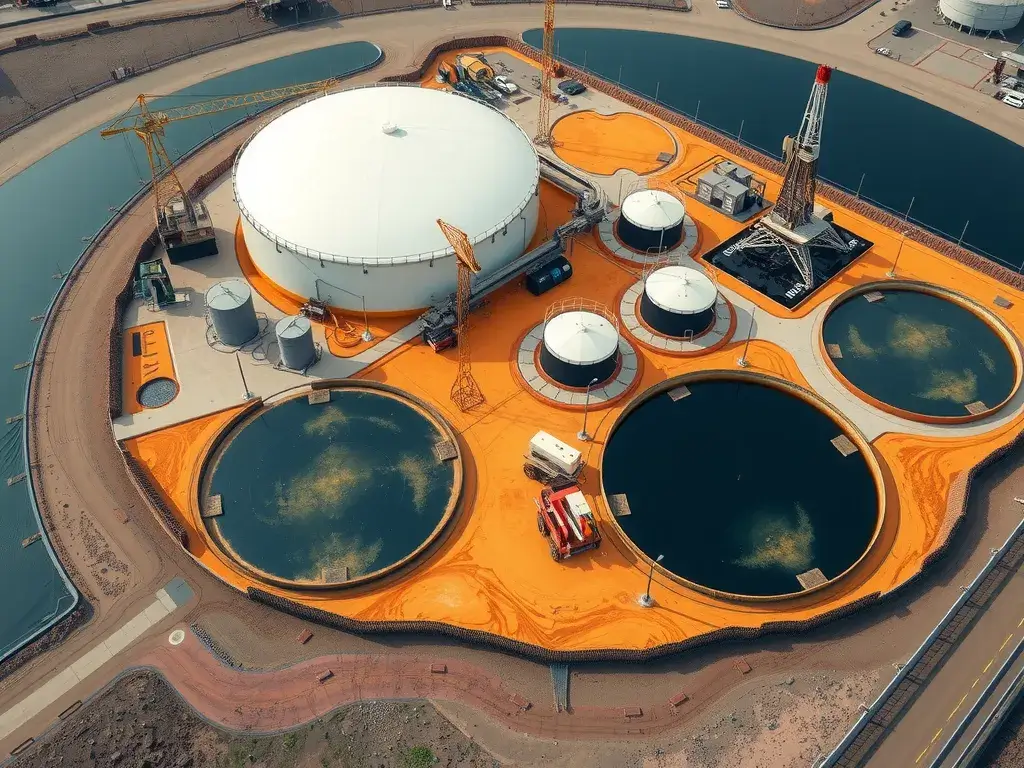
Geomembranes—primarily High-Density Polyethylene (HDPE) and Linear Low-Density Polyethylene (LLDPE)—are impermeable barriers that prevent leaks and protect soil and groundwater. In drilling, liners go beneath pads, around tanks for secondary containment, and in reserve pits, evaporation ponds, and produced‑water impoundments. Material choice reflects chemical exposure, temperatures, and mechanical loads: HDPE for long‑term durability; LLDPE for flexibility on uneven subgrades. Textured surfaces aid traction on slopes, geotextiles cushion against puncture, and seams are thermally welded and verified by air‑channel or vacuum tests. Many sites add leak‑detection layers or geosynthetic clay to build composite systems.
Environmental Impact and Regulations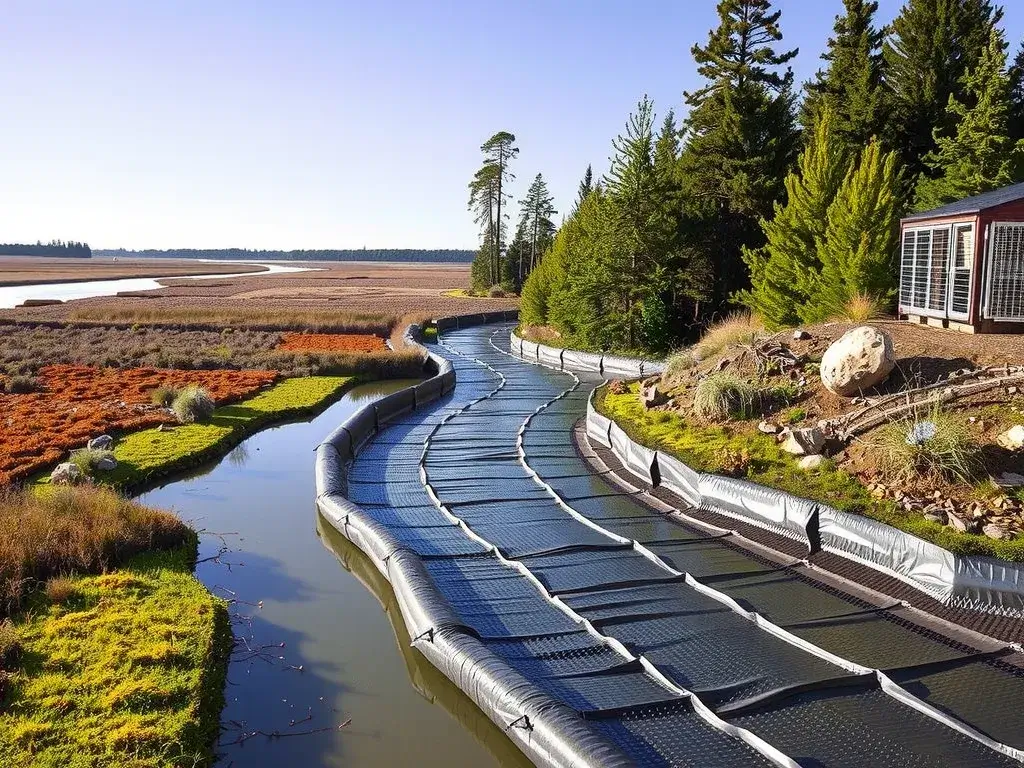
Under strict environmental rules, geomembranes are central to compliance and footprint reduction, helping companies avoid penalties and reinforce responsible reputations. They also enable proactive management: supporting spill‑prevention plans, segregating stormwater, and improving sampling by preventing subsurface mixing. Documentation—material certifications, seam‑test logs, and as‑built drawings—traces accountability from design through installation. In sensitive habitats, liners limit contaminant migration and speed cleanup, reducing disturbance to wildlife and vegetation. End‑of‑life strategies, including recycling where feasible, strengthen lifecycle performance.
Effectiveness and Cost-Efficiency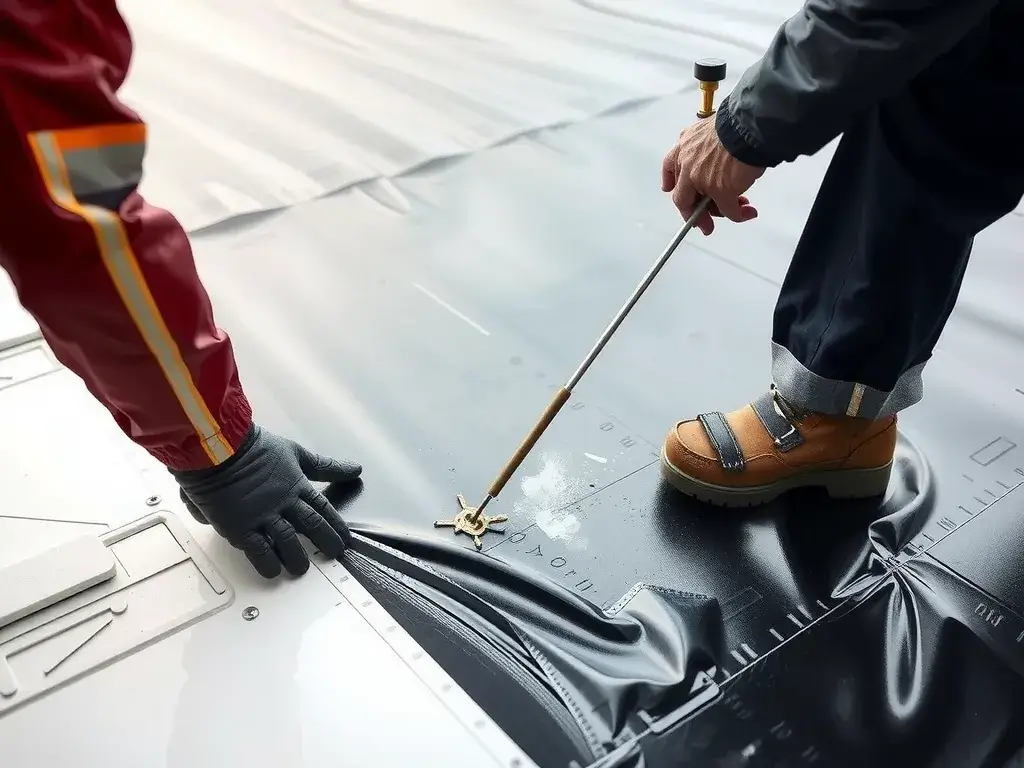
Financially, geomembranes extend service life and cut maintenance. By reducing leakage and waste, they lower remediation costs and protect productivity, improving total cost of ownership. Durable materials tolerate UV and temperature swings; modular repairs—patches or rewelds—limit downtime. Reusable temporary liners can be redeployed across sites, spreading capital costs. Combined with digital inspections and routine walkdowns, liners enable schedule certainty, predictable budgets, and better insurance profiles—turning a reactive cost center into a managed asset.
Case Study: Success in Practice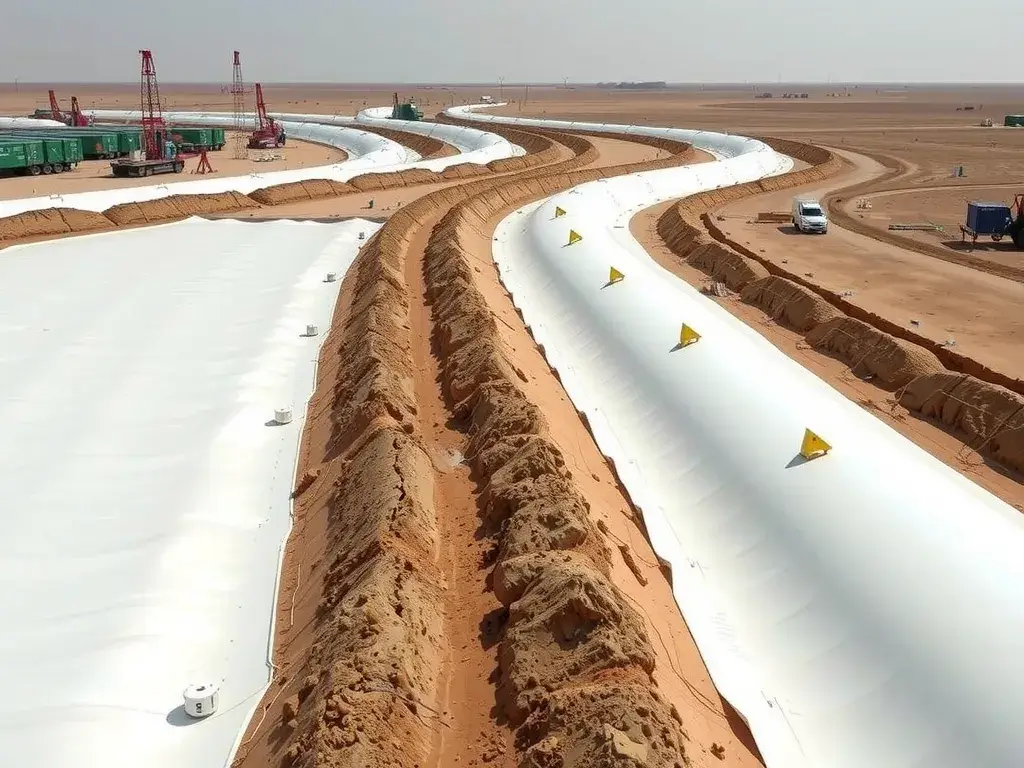
In a Saudi Arabian oilfield, HDPE geomembranes delivered a 20% gain in containment effectiveness and a 15% drop in operating costs over five years. The arid, high‑UV setting prompted textured liners, anchor trenches, and edge ballast to resist thermal cycling, wind uplift, and abrasive sands. A rigorous quality program verified seams with continuous monitoring and periodic spark testing; a pre‑commissioning leak‑location survey confirmed integrity. Operators experienced fewer nonproductive days and smoother inspections thanks to thorough records—converting design choices into sustained environmental and financial gains across multiple campaigns.
Conclusion
As the industry balances productivity with ecological care, geomembranes offer a practical path. Incorporating them into drilling reduces impacts, supports compliance, and lifts performance—a strategic move toward sustainable success. Results are strongest when teams match resin to chemistry, design for drainage and anchorage, and use certified installers with documented quality controls. Regular post‑weather inspections, timely repairs, and clear records preserve performance. Paired with water‑reuse and thoughtful end‑of‑life planning, geomembranes become a cornerstone of resilience, protecting the environment and profitability.