
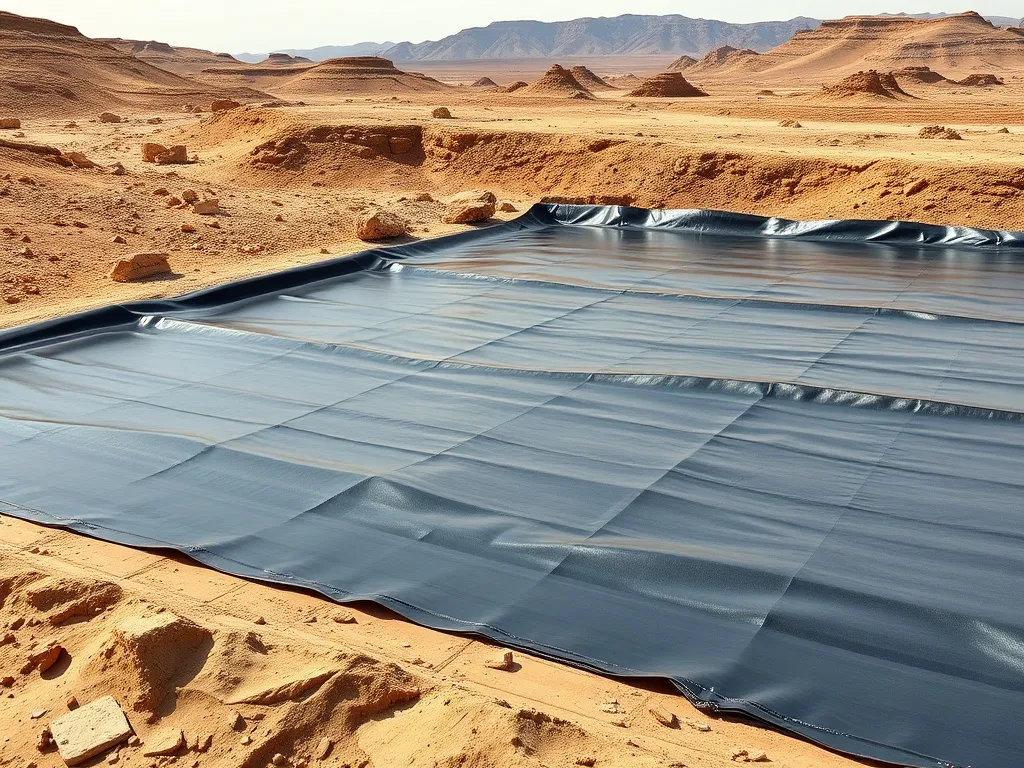
How HDPE Geomembranes Tackle the Challenge of Harsh Climates
In today’s rapidly shifting environment, the strength and dependability of materials used in construction and environmental tasks have never been more important. With rising temperatures, strong UV exposure, and frequent chemical erosion, the structural strength of containment systems is constantly challenged. High-Density Polyethylene (HDPE) geomembranes stand out as strong solutions that address these challenges directly, offering unmatched performance in harsh climates. From landfills and mining to agricultural ponds, petrochemical containment, and potable water reservoirs, these liners act as the final barrier between valuable resources and sensitive ecosystems. Their use is often tied to regulatory compliance and environmental stewardship, but the impact goes further: robust liners reduce long-term risk, minimize unplanned downtime, and help operators control total lifecycle costs. As climate extremes become more common, the ability of a lining system to remain stable, inspectable, and repairable over decades is central to sustainable infrastructure. HDPE’s recyclability and long service life also align with circular-economy goals, making it a compelling choice where performance and responsible material use must both be satisfied.
Understanding the Challenges of Harsh Climates
Harsh climates create unique stresses for engineering materials, especially geomembranes in containment systems.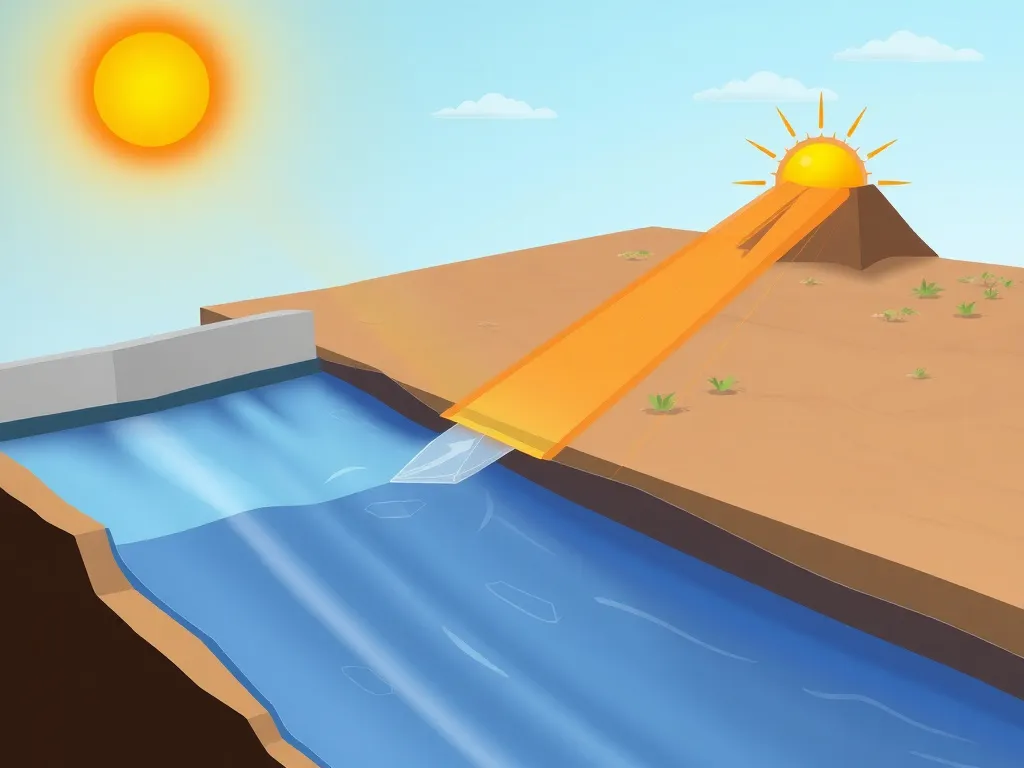 Key challenges include:
- High Temperatures : In desert areas, surface temperatures can surpass 60°C, speeding polymer breakdown. Elevated heat increases thermal expansion and can soften the liner, introducing creep under static loads. In open ponds with dark liners, heat soak drives near-surface temperatures even higher, making reflective surfaces and careful installation valuable to control thermal stress.
- UV Radiation : Extended ultraviolet exposure leads to photodegradation, weakening the material. High-altitude sites intensify this, and winds that strip fine dust reduce natural shading. Without proper UV stabilization and uniform carbon black dispersion, oxidation accelerates, embrittling the liner and shortening its life.
- Variable Weather : Rapid temperature swings cause expansion and contraction, leading to fatigue. Wide diurnal cycles induce wrinkling and flattening that stress seams and create concentrations near penetrations or corners. Freeze–thaw at the subgrade adds differential movement the liner must accommodate without cracking.
- Chemical Exposure : Contact with chemicals at higher temperatures raises the risk of erosion and material damage. Saline brines, hydrocarbons, organic solvents, and acidic or alkaline leachates elevate permeation and can exacerbate stress cracking if compatibility is not verified for expected conditions.
Innovative Use of HDPE Geomembranes
HDPE geomembranes are formulated to endure these conditions. Stabilizers and antioxidants preserve strength against UV and heat, while black carbon improves UV protection—crucial in high-irradiance regions. High-ESCR resins and controlled molecular weight distributions resist slow crack growth under sustained loads. Coextrusion enables tailored layers—such as a reflective outer surface with a black core for UV shielding—while maintaining mechanical strength. Surface texturing increases interface friction on slopes, improving stability without compromising impermeability.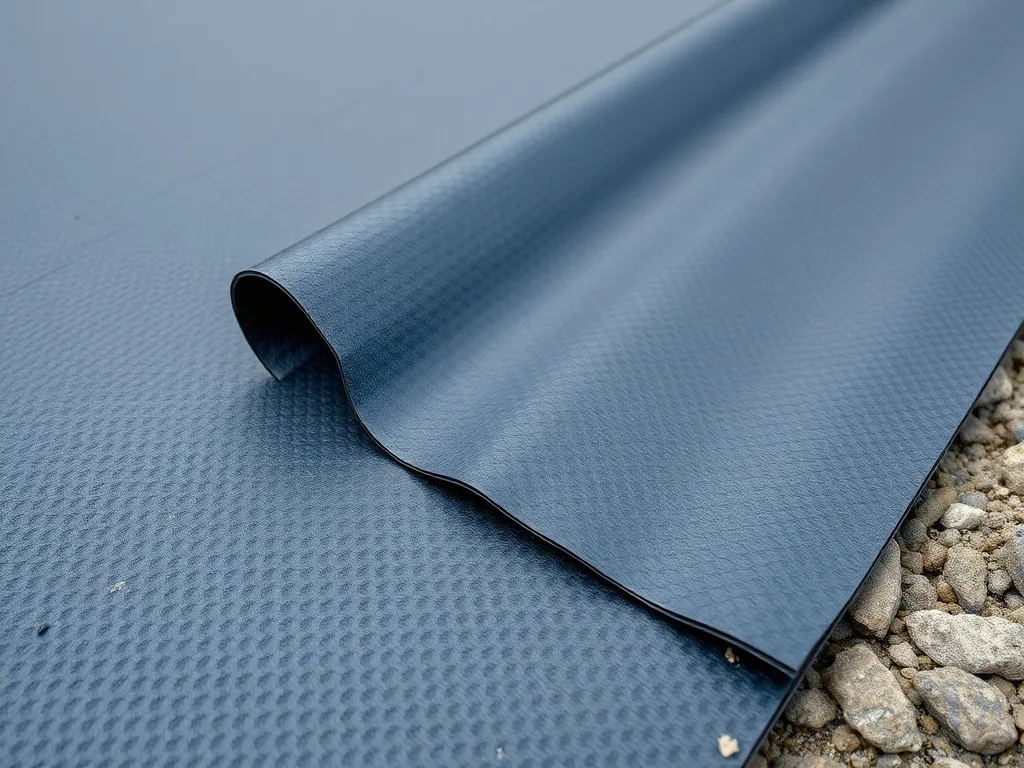
Thermal Resistance
Geomembranes made from HDPE show notable thermal resistance. According to research from huitex.com , high-temperature designs use resins that maintain strength at heat, reducing expansion-related issues. In practice, the material tolerates day–night cycles and heat waves without excessive loss of stiffness or dimensional control. Designers accommodate movement by introducing slack in field panels, detailing anchor trenches to accept movement, and sequencing welding to minimize locked-in stress. Where solar loading is extreme, reflective colors or temporary covers lower skin temperatures and expand the safe seaming window. Combined with resin-level stabilization, these measures help control creep and reduce the risk of buckling, bridging, or seam peels caused by differential heating.
Chemical Stability
HDPE offers excellent resistance to chemical attack. This is vital where liners contact aggressive chemicals in mining and waste management. As noted by jinseed-geo.com , modern formulations include stabilization systems that resist chemical wear at higher temperatures. High-ESCR grades and antioxidant packages limit slow crack growth when chemistry and stress act together. For hydrocarbons, fertilizers, saline concentrates, or acidic leach solutions, pre-project compatibility testing confirms that diffusion, swelling, or softening remain acceptable. Thoughtful detailing—minimizing sharp transitions, using stress-relief pads at penetrations, and avoiding point loads from coarse subgrades—further improves durability by reducing local stress that could initiate cracking.
Case Studies: Real-World Applications
Several projects have shown the robustness of HDPE geomembranes:
The Arabian Desert Oil and Gas Fields
In Saudi Arabia, oil storage facilities relied on HDPE liners for high-temperature tolerance and resistance to hydrocarbon exposure, minimizing maintenance and improving operational efficiency. Crews worked in cooler windows, using temporary reflective covers to keep seam temperatures in range. The facility paired a thick HDPE primary liner with a geotextile cushion and a secondary containment layer for leak detection, preventing abrasion from wind-blown sand. Ballasting and deeper anchor trenches resisted gusts and sandstorms. Over time, the operator reported fewer heat-related seam repairs than anticipated and faster quality assurance, reinforcing the case for HDPE in desert infrastructure.
Mining Operations in Western Australia
In Western Australia, copper heap leach operations depend on HDPE liners to contain leachate safely.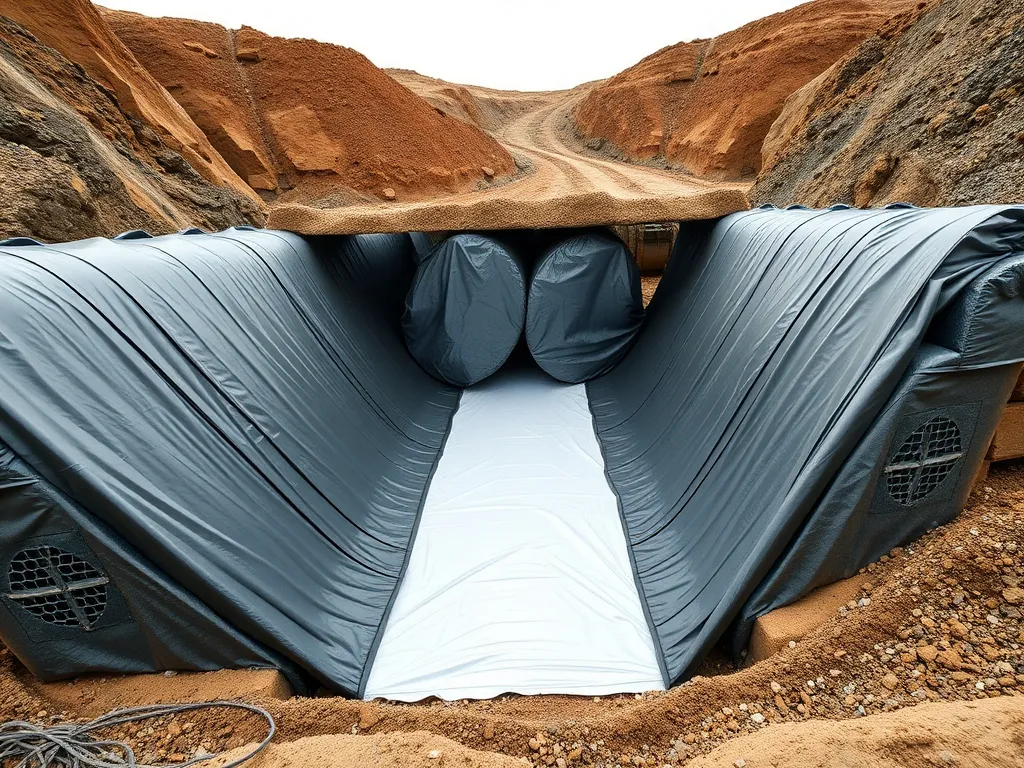 Resistance to thermal degradation and sulfide-related chemistry keeps risks low and extends system life. Heaps generate heat from exothermic reactions, so the lining system uses textured HDPE for slope stability, thick drainage layers to remove heat and fluids, and careful panel layout to limit tension at slope toes. Acidic solutions and high salinity brines circulate continuously, so resins emphasize stress crack resistance and antioxidant retention. Construction teams control seam cleanliness and overlap geometry despite pervasive dust. As a result, operators have documented consistent hydraulic performance, sensitive leak detection, and stable slopes under stacked ore loads—demonstrating reliable HDPE performance under combined heat, chemistry, and heavy structures.
Design and Installation Insights
Proper installation greatly boosts HDPE performance in harsh environments.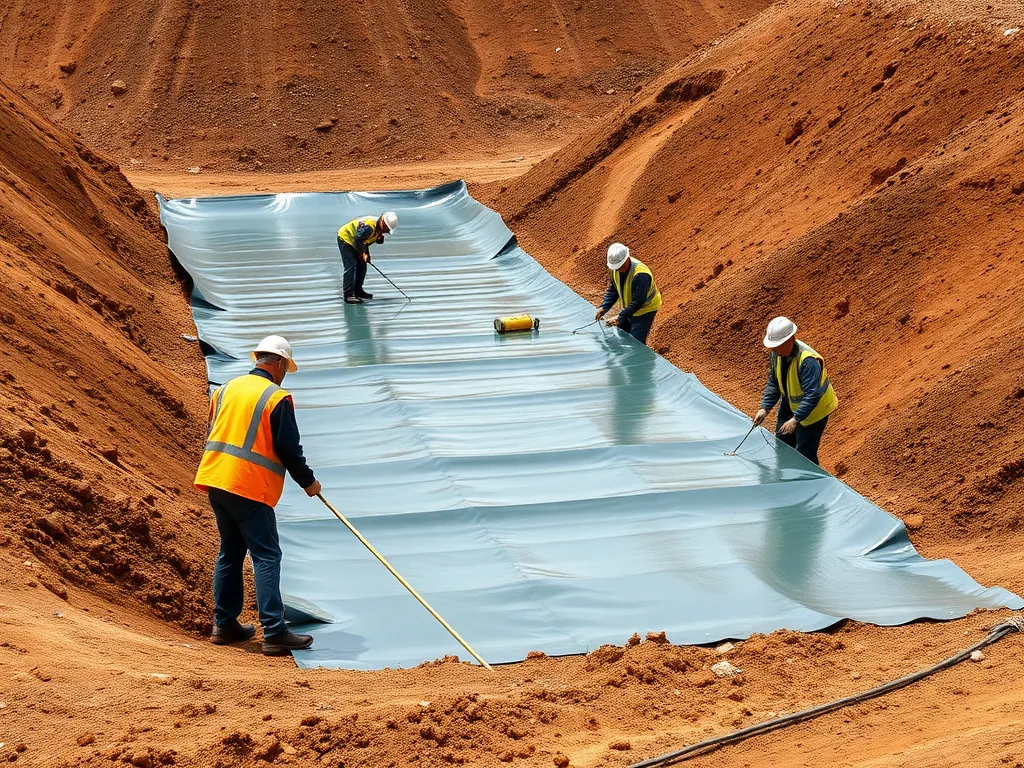 Field quality assurance—weather thresholds, clean work fronts, and smooth, well-compacted subgrades—reduces risk from day one and pays long-term dividends.
Timing and Methodology
Installing during cooler parts of the day minimizes thermal expansion. Guidance from waterproofspecialist.com also recommends adjusting tension during welding to accommodate movement without compromising seam integrity. Crews should log weather, align seaming with stable conditions, keep overlaps clean and dry, run daily trial seams to verify machine settings, and use non-destructive testing such as air-channel and vacuum box methods. Allowing adequate cooling before destructive peel-and-shear sampling prevents false failures. Managing wrinkles by sequencing panel deployment and using temporary ballast avoids trapping wrinkles into seams, which can become stress risers under thermal cycling.
Increase Thickness and Use Textures
Specifying thicker geomembranes (at least 2.0 mm) and textured surfaces adds safety by improving structural integrity and interaction with subgrades or overlying materials—critical for heavy or abrasive substrates. Greater thickness enhances puncture resistance against angular fill, reduces through-thickness damage from construction traffic, and yields stronger seam sections. Texture improves interface friction on steep slopes, increasing factors of safety without complex anchoring. Where coarse particles are unavoidable, a protective geotextile cushion beneath the liner limits point loading. Around outlets or pipes, incorporate stress-relief boots and smooth transitions; thicker, textured sheet in these areas improves performance during commissioning and long-term operation.
Best Practices for Long-Term Performance
Maximum durability requires consistent plant quality, rigorous field controls, and attentive operations. Periodic inspections, prompt repair of minor damage, and good management of ballast or cover soils extend service life and preserve containment integrity.
Material Selection
Engineering-grade HDPE with high OIT (Oxidative Induction Time) is preferred, as high HP-OIT correlates with longer antioxidant life, per standards referenced at huitex.com . Evaluate resin stress crack resistance, carbon black content and dispersion, and manufacturing tolerances. Coextruded white-on-black liners reduce heat buildup, widening the seaming window in hot regions. Robust quality systems ensure traceability and additive dispersion for predictable performance. For complex service fluids, laboratory immersion or compatibility testing should validate resin and thickness before procurement.
Integrated System Designs
Use composite systems: protective geotextiles and geocomposite drainage to distribute loads and reduce liner exposure.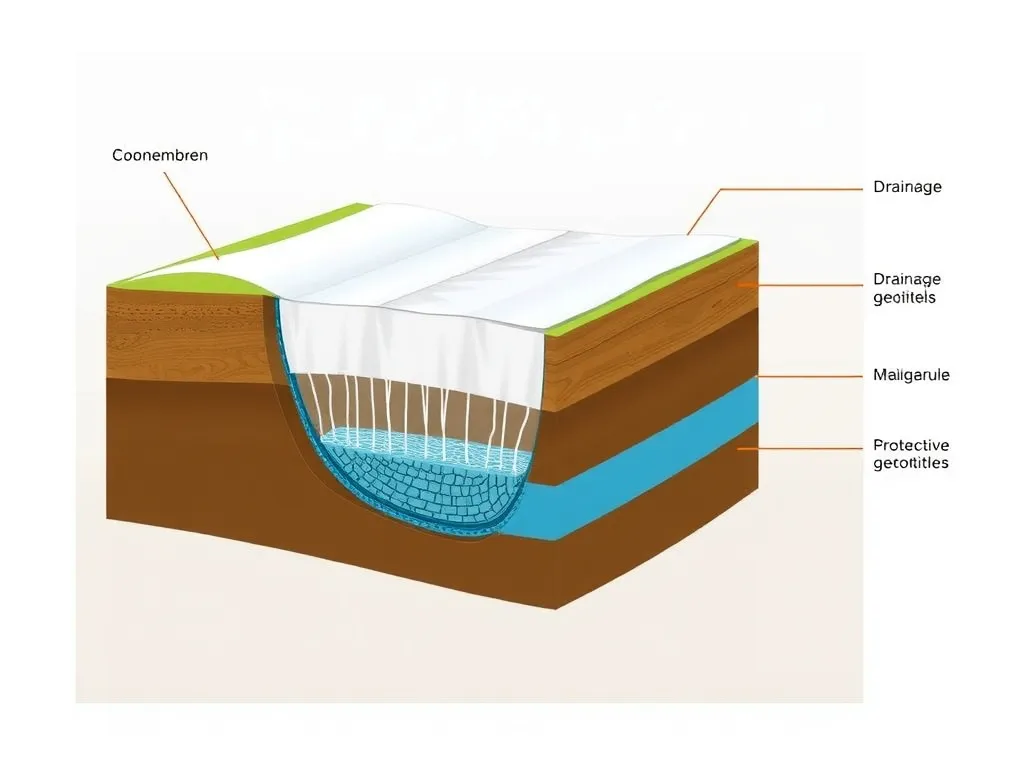 Drainage layers limit head on the liner, remove heat and aggressive liquids, and gas vents prevent uplift in areas prone to vapor generation. Underliners for leak detection catch issues early and enable targeted repairs. On steep slopes, pair textured liners with drainage and soil reinforcement for stability. In very hot or high-UV environments, specify reflective outer surfaces or temporary shading during commissioning. Collectively, these measures transform the liner from a single barrier into a coordinated system that moderates the liner’s environment, improving resilience and extending service life.
Conclusion: A Sustainable Solution for a Changing World
HDPE geomembranes are a reliable solution for harsh climatic conditions. From resisting intense sunlight to enduring chemical exposures in mining and waste management, HDPE delivers. With quality materials and best-practice installation, industries can ensure long-lived, effective containment that protects resources and the environment. As climates grow more variable, resilient infrastructure depends on materials that keep performing when temperatures spike, winds rise, or chemistry becomes more aggressive. HDPE combines proven barrier performance with practical constructability, reducing risk while supporting long-term operational sustainability.
For projects facing harsh climates, HDPE geomembranes offer a trustworthy path forward. Strategic design and strong material choices align with modern engineering needs worldwide. Early engagement with experienced suppliers and installers, thorough preconstruction testing, and disciplined quality control turn HDPE’s inherent strengths into durable, low-risk assets. With thoughtful system integration and attentive operations, these liners help owners navigate extreme conditions confidently, maintaining compliance, protecting communities, and securing critical resources for decades.