
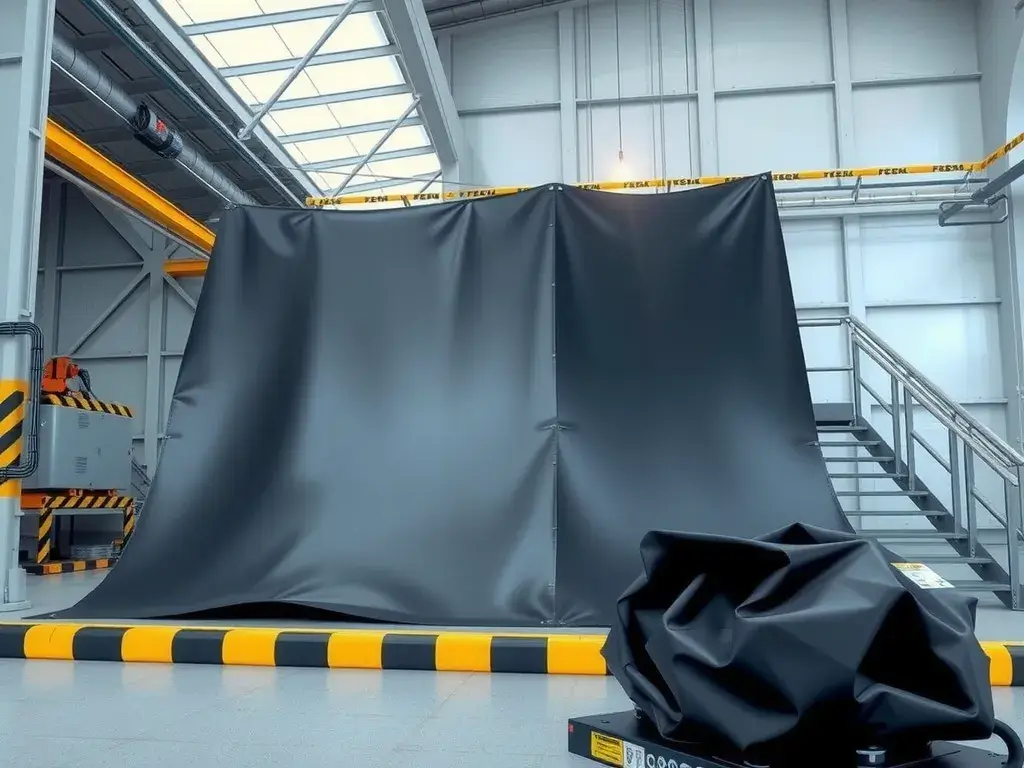
New Uses of HDPE and LLDPE Geomembranes in Growing Fields
As the world shifts toward eco-friendliness, material science needs to adapt. High-Density Polyethylene (HDPE) geomembranes and Linear Low-Density Polyethylene (LLDPE) liners, crafted by industry leaders like Factories GPF, have long aided sectors such as mining and agriculture. Now, their potential in new areas offers exciting chances for industries aiming to embrace sustainable methods and push forward new technologies. These polymers pair high strength-to-weight with resistance to chemicals, UV exposure, and microbes. Heat-welded seams create continuous, watertight systems with predictable service life. Modern extrusion and tight quality control also allow tailored thicknesses and textures to match demanding site conditions.
Beyond Standard Uses in Geomembranes
Usually, geomembranes are used in construction and waste management due to their strong durability and natural leak resistance. However, there is great untapped potential in less conventional areas, offering a promising path for innovation. By adjusting the natural qualities of HDPE and LLDPE, industries can tackle modern issues, meet environmental standards, and keep the toughness expected from these materials. LLDPE provides flexibility and elongation for sites with differential settlement or cold climates, while HDPE delivers puncture and stress-crack resistance. Textured surfaces increase slope friction, and optional conductive layers enable rapid leak detection. Prefabricated panels reduce field seams and shorten schedules.
Green Energy Projects
In green energy settings, geomembranes provide strong solutions that many sectors have yet to fully utilize. For instance, on solar farms, they serve as base barriers that protect against soil erosion from panel installations. They also assist with water storage in solar thermal systems and help ensure environmental safety in large wind energy projects. Floating photovoltaic reservoirs rely on liners to curb seepage and stabilize water levels, boosting panel output through passive cooling. Anaerobic digesters employ membrane bases and covers to capture biogas. Battery energy-storage yards use liners as secondary containment, and geothermal facilities line brine ponds to protect soils.
New Environmental Protections
Beyond known uses, geomembranes have become key tools in modern environmental management, including advanced soil erosion efforts. Their role in creating effective barriers against land damage is especially useful in dry areas like Saudi Arabia. They also improve water-saving efforts by enhancing runoff control and infiltration management, optimizing resource use in tough climates. They are specified for canal rehabilitation to reduce water loss in irrigation districts. In coastal restoration, composite systems cap contaminated sediments. Lined stormwater basins help cities harvest rain, mitigate flash flooding, and recharge aquifers through controlled infiltration points.
The Future: Innovations and Eco-Friendliness
Looking forward, geomembrane technology is set to progress, meeting the strict demands of new sectors focused on reducing carbon footprints. Innovations such as including geomembranes in bioenergy processes are being explored, supporting a greener future. By tapping into the flexibility of HDPE and LLDPE, industries can place themselves at the cutting edge of environmentally friendly development. Expect rising use of recycled-content resins, smart conductive layers for monitoring, and drone thermal surveys. Wider factory-welded panels speed deployment, while take-back programs support circular-economy goals without sacrificing performance.
To sum up, as industries move toward eco-friendliness, exploring new uses of HDPE and LLDPE geomembranes offers exceptional opportunities. Factories GPF continues to lead the way, inviting industries to innovate within traditional frameworks and explore fresh paths for these adaptable materials. Begin with pilot installs, trained crews, and clear testing protocols. This reduces risk and clarifies lifecycle cost. Factories GPF provides engineering support and logistics to move from concept to scale.