
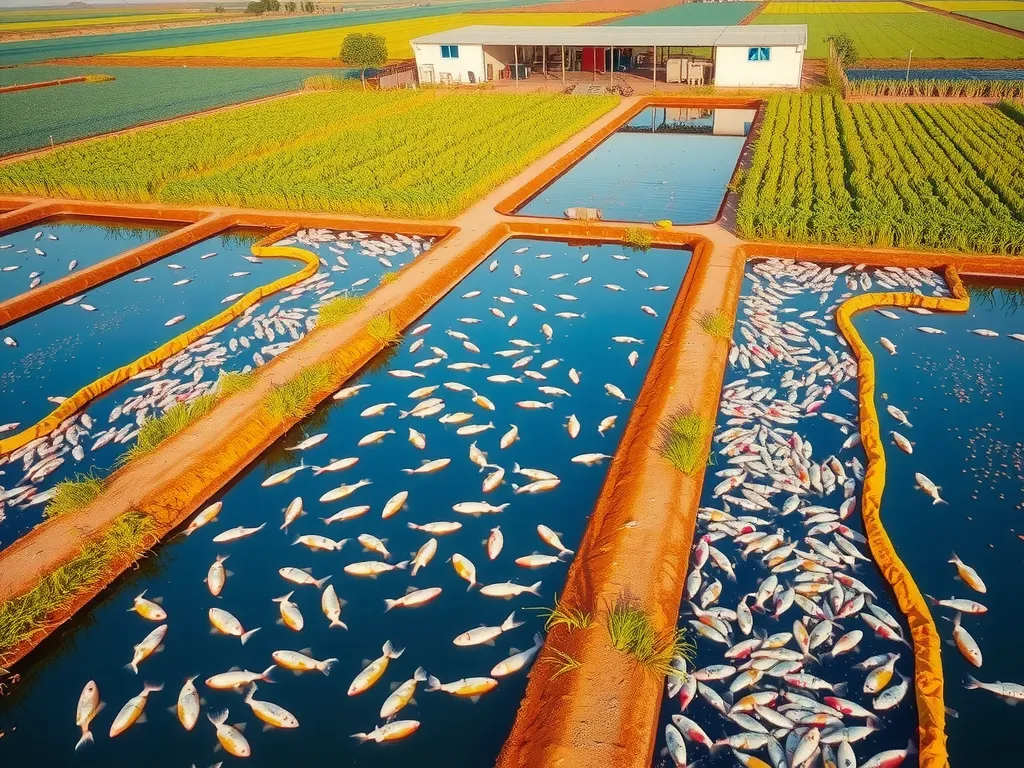
New Uses of Geomembranes in Aquaculture for Eco-Friendly Practices
As the need for sustainable food production increases worldwide,
aquaculture
is turning to solutions like
geomembranes
to achieve environmental goals without reducing output. GPF, a leading manufacturer of
High-Density Polyethylene (HDPE)
and
Linear Low-Density Polyethylene (LLDPE)
geomembranes, provides these vital materials. These liners are transforming ponds, tanks, and raceways into efficient, eco-friendly systems. Producers face pressure from water scarcity, disease risks, and stricter discharge rules. By isolating culture water from native soils, liners create predictable conditions that support fish and shrimp health, faster pond preparation, and cleaner harvests. They also integrate well with recirculating systems, hatcheries, and farm reservoirs.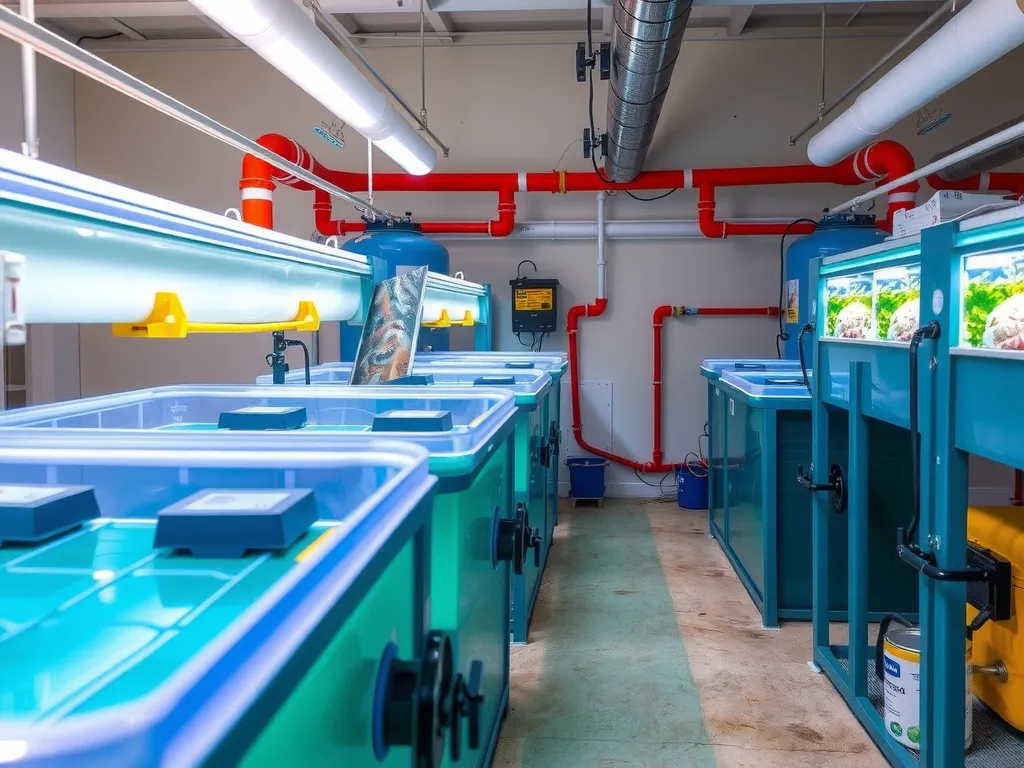
Why Geomembranes Matter in Aquaculture
Using
HDPE liners
in aquaculture enhances sustainability by forming a barrier that prevents contamination between soil and water. This helps safeguard aquatic life and ensures operations stay environmentally conscious. Geomembranes also bolster pond construction and cut down on water use by stopping seepage—especially crucial in dry areas or places with scarce water supplies. By stopping percolation, farms see less turbidity and lower leaching of nutrients or metals. Lined embankments resist erosion, and bottoms clean quickly between cycles, improving biosecurity and turnaround. In irregular sites, flexible LLDPE complements HDPE to maintain a continuous, groundwater‑safe barrier.
HDPE Geomembranes: The Top Choice
Of the choices available,
HDPE geomembranes
are notable for their toughness, resistance to strong chemicals, and ability to endure extreme temperatures. These traits make them ideal for aquaculture, where liners are consistently exposed to water and potentially corrosive conditions.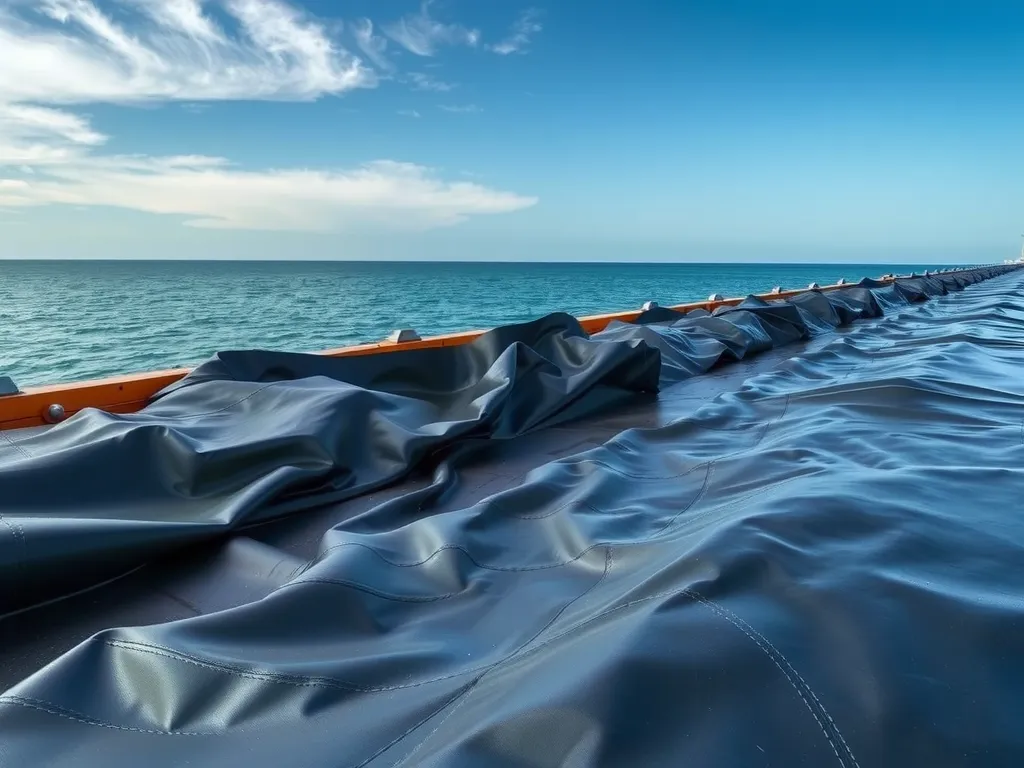 Their durability reduces maintenance needs and lengthens service life, providing both financial and environmental advantages. Stabilized formulations provide strong stress‑crack and UV resistance. Heat‑welded seams create watertight joints that can be air‑tested for quality. Unlike some PVC or rubber membranes, HDPE maintains strength around disinfectants, fertilizers, and saline or brackish water.
Innovative Examples in Aquaculture Uses
Research and field studies have demonstrated how effective geomembranes are in aquaculture. In Saudi Arabia, local projects have reported increased fish productivity by using geomembranes to better manage water quality.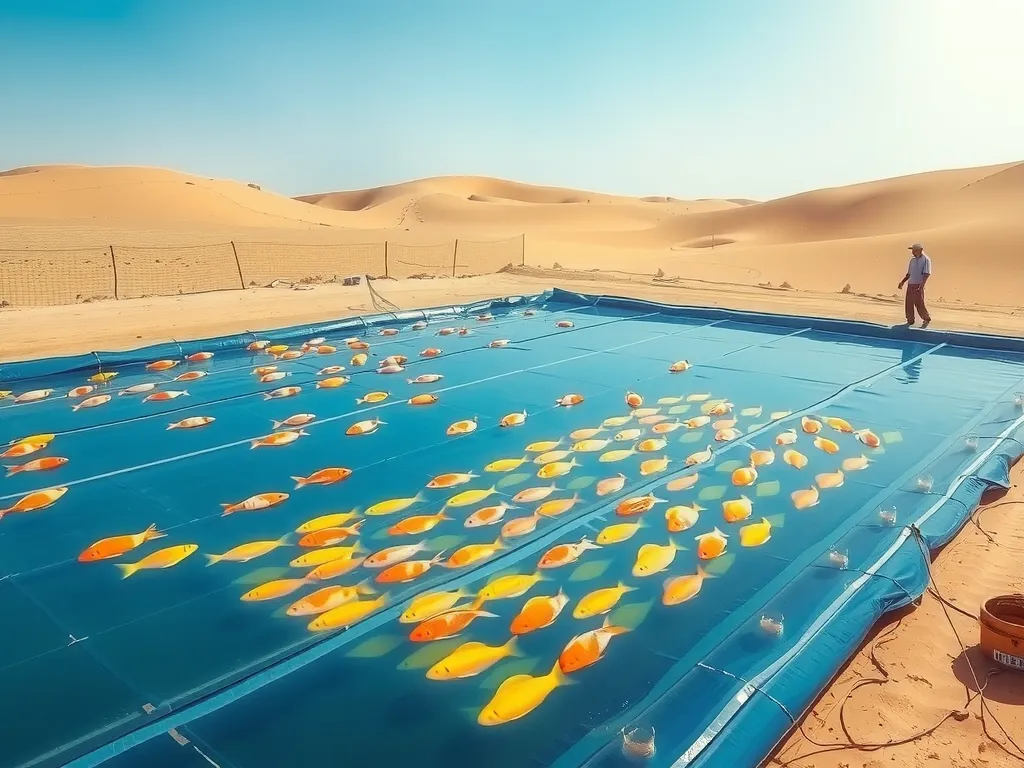 By aiding temperature control and maintaining ecological balance within ponds, these liners support more stable and productive aquaculture settings. Elsewhere, lined shrimp ponds in biofloc systems show steadier oxygen and less sediment disturbance. Tilapia and catfish farms report faster turnaround after harvest because sludge is removed with minimal water loss. Facilities line settling basins and drying beds to capture nutrients.
Future Outlook and Economic Gains
As industries aim for net-zero goals and greater sustainability, using geomembranes in aquaculture is set to grow. The financial benefits, along with rising regulatory demands to reduce environmental impacts, make HDPE liners a wise long-term option for aquaculture operations. GPF’s products act not only as solutions but also as investments in a future where efficiency aligns with sustainability. Over its life cycle, a liner can repay its cost through reduced makeup water, fewer embankment repairs, and lower inputs from steadier water chemistry. It also boosts resilience in droughts or heavy rain by protecting stored water. As circular‑economy practices grow, recyclable HDPE enables recovery at end of service.
In conclusion, using geomembranes in aquaculture is more than a trend—it is a key step toward sustainable fish farming.
Join the movement with GPF’s top-quality geomembranes and lead your operations to success.
Whether you run a hatchery or a multi‑site farm, our team can advise on liner selection and installation for your climate and species. For more insights into transforming your aquaculture practice with advanced technology,
contact us today
.