
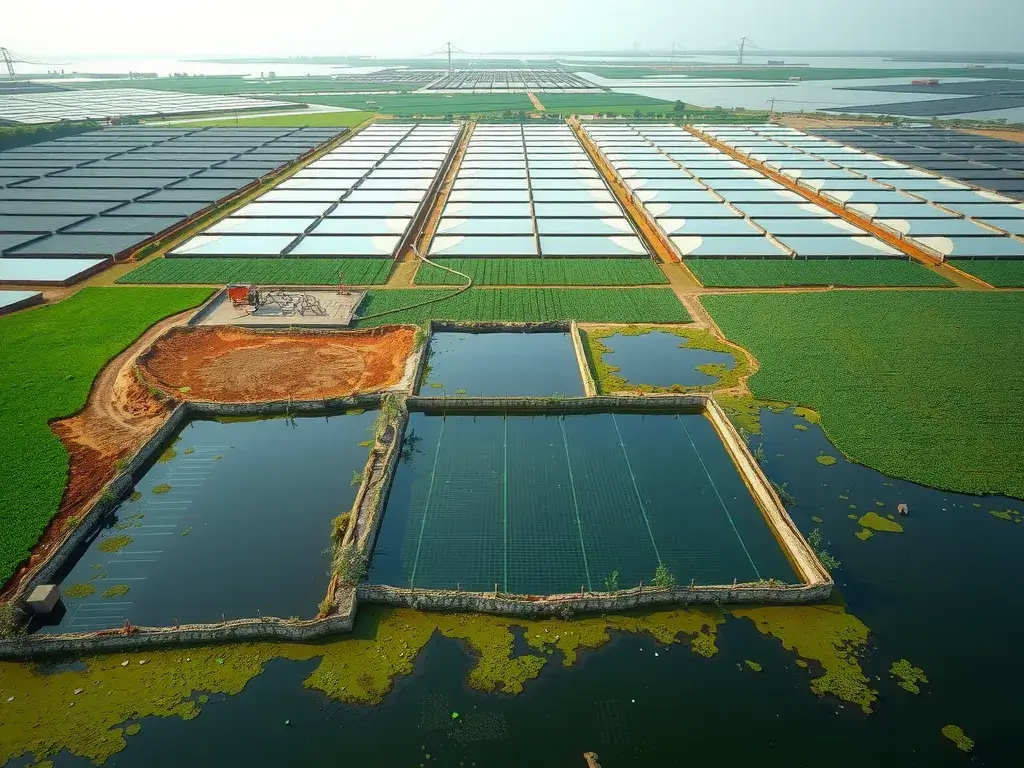
Innovative Geomembrane Solutions for Aqua Farming: Boosting Sustainability and Efficiency
As aquaculture expands, the sector needs sustainable methods to meet demand while protecting ecosystems. Geomembranes provide reliable containment. This article shows how HDPE and LLDPE liners improve sustainability and efficiency. Beyond lining, membranes stabilize water chemistry, deliver predictable performance, and lower total cost of ownership. They also help farms meet tightening regulations and certifications by serving as engineered, auditable barriers that are easy to inspect, maintain, and document. They support traceability across multi‑site operations, from design through decommissioning.
Sustainable Aqua Farming with Geomembranes
Aquaculture supports global food security but faces water pollution and resource strain. High‑performance lining systems prevent leakage, protect water quality, and conserve resources, shielding habitats and supporting biodiversity. By minimizing seepage and isolating sediments, liners cut nutrient loads to nearby waters and improve recirculation. Farms can recover and treat water before discharge, reducing chemical use and saving freshwater—an approach that often aligns with watershed plans and enables responsible expansion. This also helps facilities meet discharge permits and common certification goals.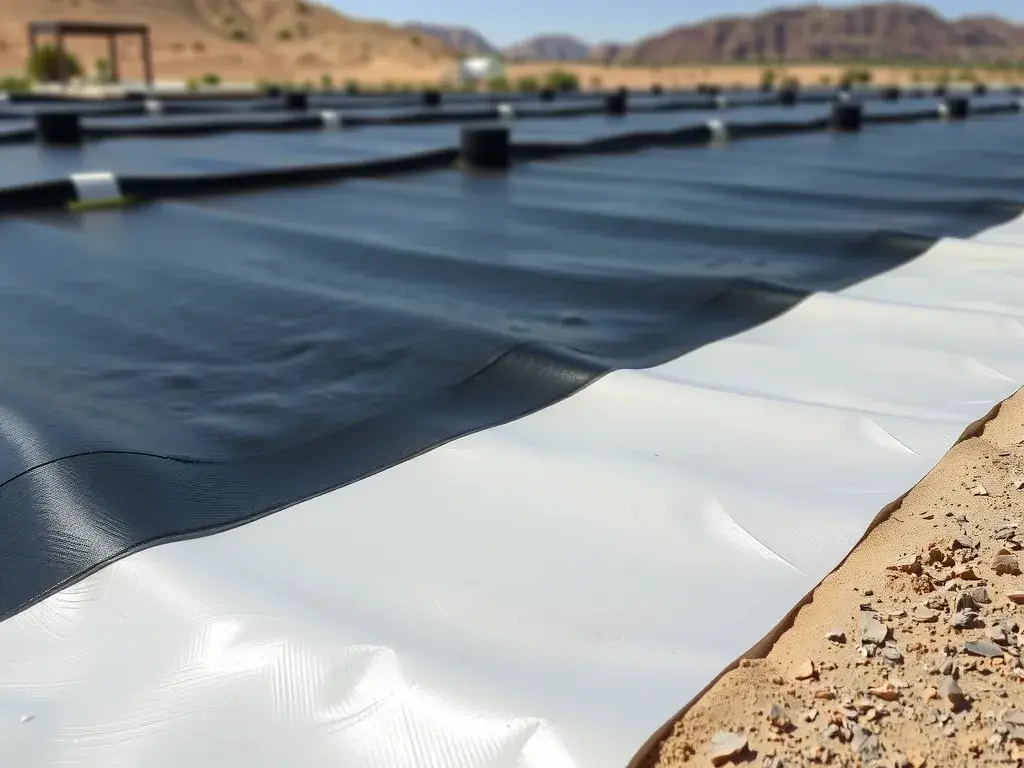
A large fish farm in Saudi Arabia installed HDPE liners, curbing water loss and blocking soil contamination. In an arid, high‑evaporation climate, the liners stabilized salinity and temperature, improving operational consistency. Maintenance crews reported faster solids removal and easier inspections, shortening downtime between cycles and streamlining compliance. Benefits persisted even during seasonal heat waves and dust storms.
Innovative Uses of Geomembranes in Fish Farming
Geomembranes now do more than contain. Textured surfaces and improved formulations broaden use across aquaculture. HDPE and LLDPE pair toughness with flexibility, resisting wear, mechanical damage, and punctures from equipment, roots, or animal activity. UV‑stabilized, light‑colored, or reflective options moderate heat in sunny climates, while anti‑fouling coatings and reinforced scrims extend service life in high‑traffic zones such as raceways, harvest channels, and feed areas.
Textured geomembranes enhance feed efficiency and growth conditions, aligning with the industry’s push toward technology. Textures improve slope stability and worker footing, reducing slip hazards during harvest and cleaning. Paired with aeration and in‑pond sensors, liners tightly control dissolved oxygen, turbidity, and temperature, improving feed conversion and uniform growth while cutting labor and energy for routine cleaning. Their compatibility with recirculating systems speeds upgrades or expansions with minimal disruption.
Overcoming Challenges with Geomembranes
Aquaculture faces tough conditions and strict biosecurity. Geomembranes bolster pathogen defenses, improve water retention, and resist weather; new coatings and material blends amplify these gains. Smooth, non‑porous surfaces enable rapid disinfection between cycles. Weldable seams and QA—trial seams, vacuum boxes, spark testing—ensure performance under wind, waves, and thermal cycling. Careful detailing at inlets, outlets, and anchor trenches reduces failure risk and eases long‑term upkeep, while designs manage extreme rainfall and freeze–thaw cycles common at high latitudes.
At a leading Norwegian aquafarm, LLDPE liners cut maintenance costs by 20% and improved water quality. Staff credited fewer patch repairs, faster sediment removal, and lower pump run times from reduced seepage. Texturing improved footing in cold, wet conditions, boosting safety. Cleaner, more stable water supported steadier schedules and predictable harvests. All gains were achieved without compromising liner integrity or flexibility.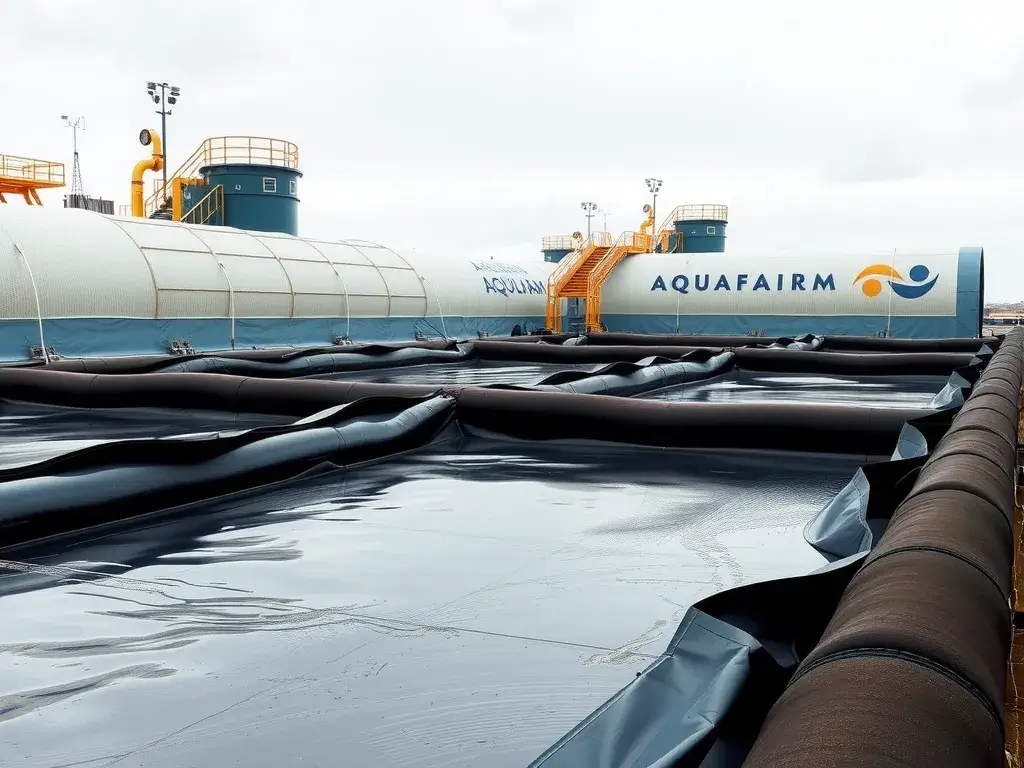
Conclusion
Advances in geomembranes give aquaculture powerful tools to boost sustainability and efficiency. Liners are now essential to modern farming. Success starts with thorough site assessment, climate‑ and species‑appropriate materials, certified installers, and documented quality control. Routine inspection, simple repair protocols, and data‑driven monitoring extend service life and keep performance on track. The same practices scale across ponds, raceways, and recirculating facilities.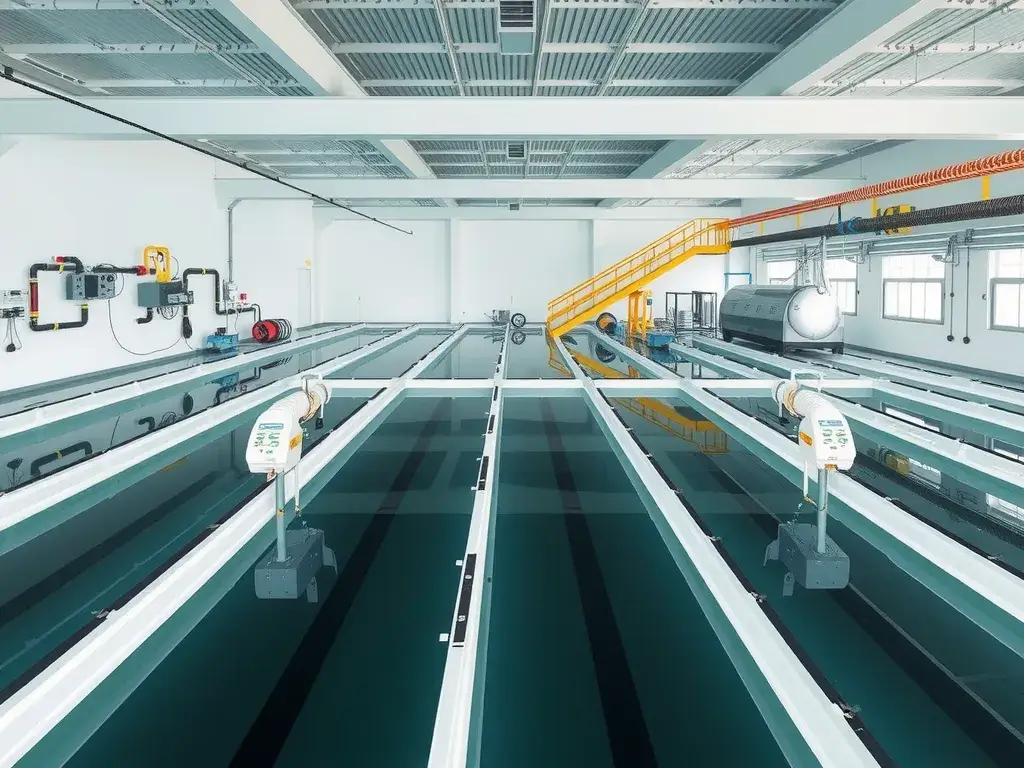 Connect with us to explore how geomembranes can turn operations into models of environmental responsibility and operational excellence.