
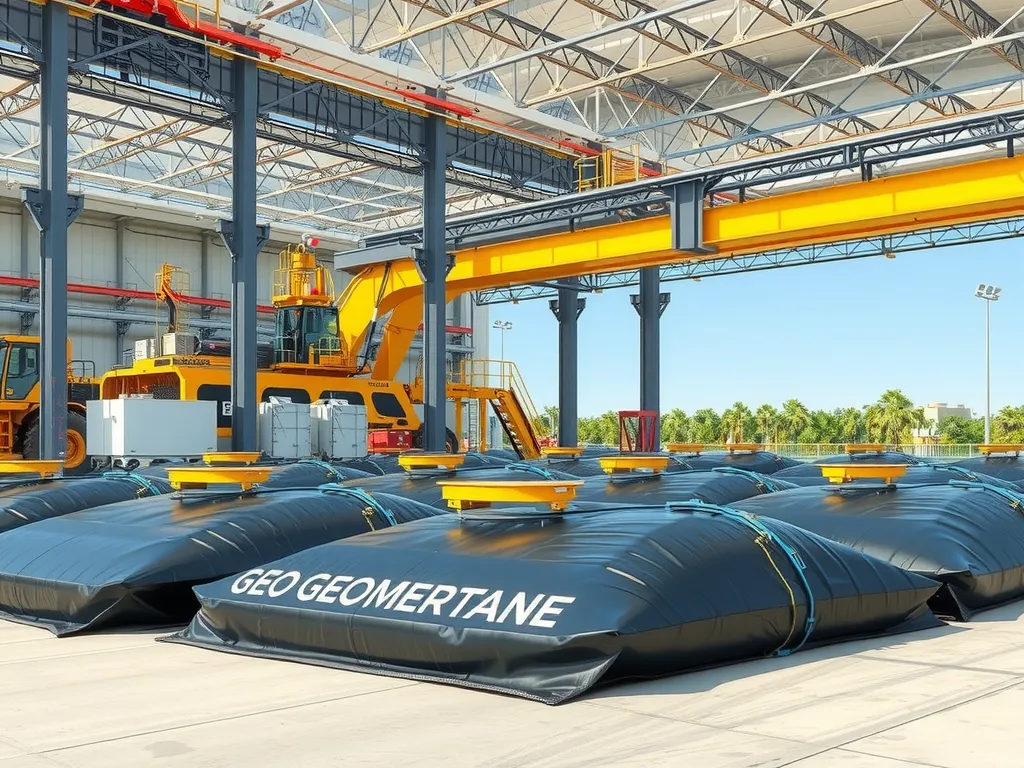
Innovative Strategies in Geomembrane Technology for Eco-Friendly Solutions
The global demand for modern, eco-friendly solutions is growing rapidly as regulators, communities, and project owners look for systems that protect resources without inflating lifecycle costs. Because of their impermeable features, geomembranes are essential in waste management, mining, water storage, agriculture, transportation, and renewable energy infrastructure. They form dependable barriers that help prevent contamination, conserve scarce water, and improve operational certainty. At GPF, we strive to lead by creating groundbreaking geomembrane technologies that meet—and surpass—industry expectations, combining robust materials science with practical field insights from installers, engineers, and asset owners to deliver durable, traceable, and serviceable solutions at scale.
The Rise of Intelligent Geomembranes
Intelligent geomembranes are transforming how environmental effects are handled by turning a passive barrier into an active, data-enabled system. These technologies incorporate features such as embedded sensing layers, conductive backings for rapid leak location, and optional fiber-optic or wireless nodes that detect small leaks, strain concentrations, temperature shifts, and settlement. By providing real-time information through dashboards and automated alerts, intelligent geomembranes enable predictive maintenance and verifiable quality assurance, greatly lowering environmental risks in uses like landfill liners, tailings storage, secondary chemical containment, wastewater lagoons, and potable-water reservoirs. Integration with site SCADA and GIS platforms further streamlines inspections, documentation, and compliance reporting, improving both safety and audit readiness.
Real World Uses: Minimizing Leaks in Landfills
A successful example is seen in a case study from a significant landfill project in the Middle East, where extreme temperatures and windblown sand challenged conventional designs.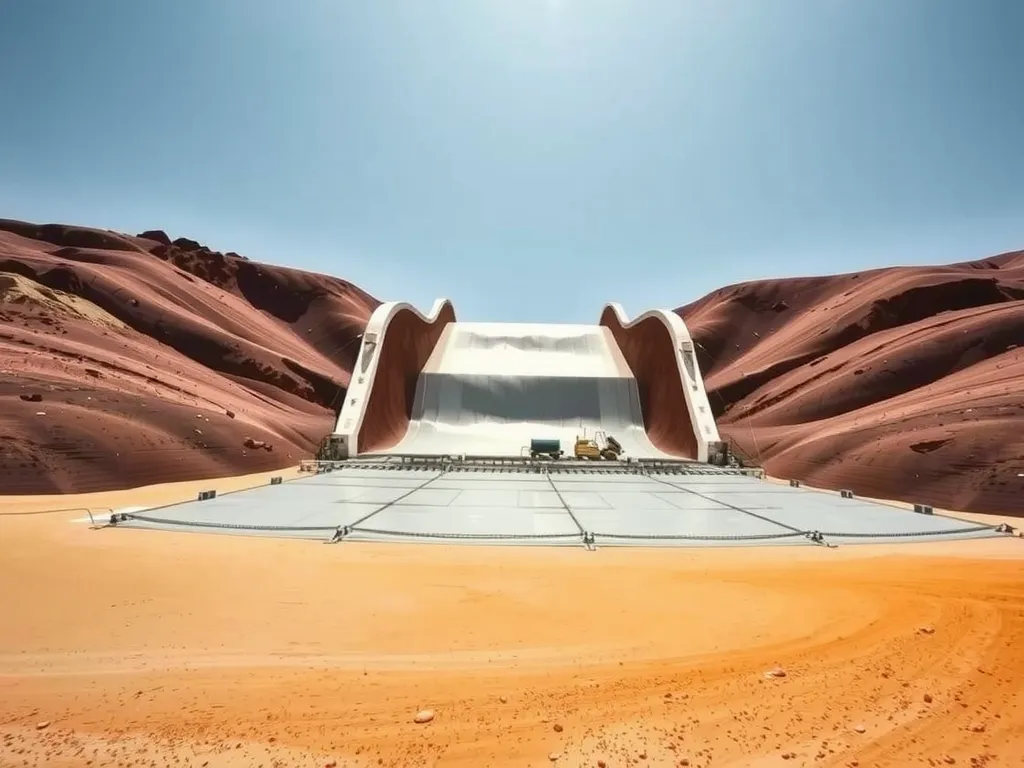 Used as a substitute for traditional liners, intelligent systems with a leak-location grid and enhanced seam verification identified micro-leaks near pipe penetrations and along a steep slope transition weeks earlier than manual surveys would have. Crews isolated the areas, performed targeted extrusion-weld repairs, and confirmed integrity with rapid retesting. The project reduced environmental pollution risk, curbed leachate management costs, and minimized community odor complaints—while demonstrating that early detection and swift, localized intervention can deliver measurable, year-one cost efficiency in waste management operations.
Future Directions in Geomembrane Technology
Looking forward, bio-based geomembranes and advanced polymers are set to transform industry practices by pairing durability with lower embodied carbon. Coextruded reflective skins that limit heat gain, textured surfaces that increase interface shear, and resins engineered for crack resistance can extend service life in harsh climates. Emerging self-healing coatings and repair indicators promise faster, more reliable maintenance. Equally important are circular strategies: incorporating responsibly sourced recycled content, designing for take-back and reprocessing, and using digital product passports for traceability. GPF is at the forefront of this movement by continuously improving our product range, reducing manufacturing footprints, and exploring data-driven “digital twins” that anticipate hotspots before they become failures.
Eco-Friendly Building Materials
The use of smart and sustainable materials is paving the way for long-lasting construction and resilient infrastructure.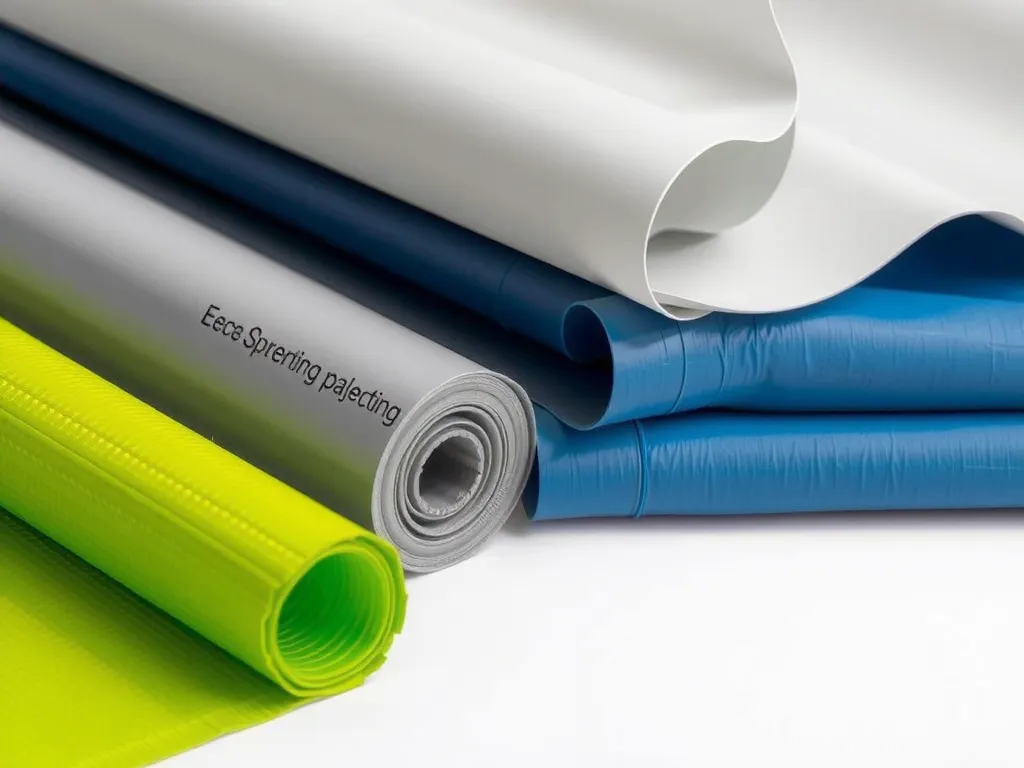 By utilizing GPF’s top-quality geomembrane products, available in both HDPE and LLDPE, companies can match material behavior to site demands: HDPE for superior chemical resistance and stiffness; LLDPE for enhanced flexibility on complex subgrades. These heat-weldable liners are offered in smooth or textured finishes and in reflective options for thermal control. They meet strict global standards such as GRI-GM13 and GRI-GM17, and are supported by comprehensive QA/QC—factory conformance testing, roll traceability, trial seams, air-channel pressure tests, and vacuum-box checks—confirming efficiency, reliability, and lower risk of costly rework.
Conclusion: Moving Forward
The future of geomembrane technology lies in adopting innovations that provide both environmental and economic advantages—protecting groundwater and ecosystems while improving total cost of ownership and regulatory certainty. At GPF, we continue to extend the limits by offering the best geomembrane products aligned with market needs and by validating performance with data-rich monitoring. We encourage owners and engineers to pilot instrumented cells, refine specifications, and standardize proactive maintenance plans. For industries aiming to lessen environmental impact and strengthen community trust, embracing such advanced solutions is not just advantageous—it’s essential for resilient, future-ready infrastructure.