
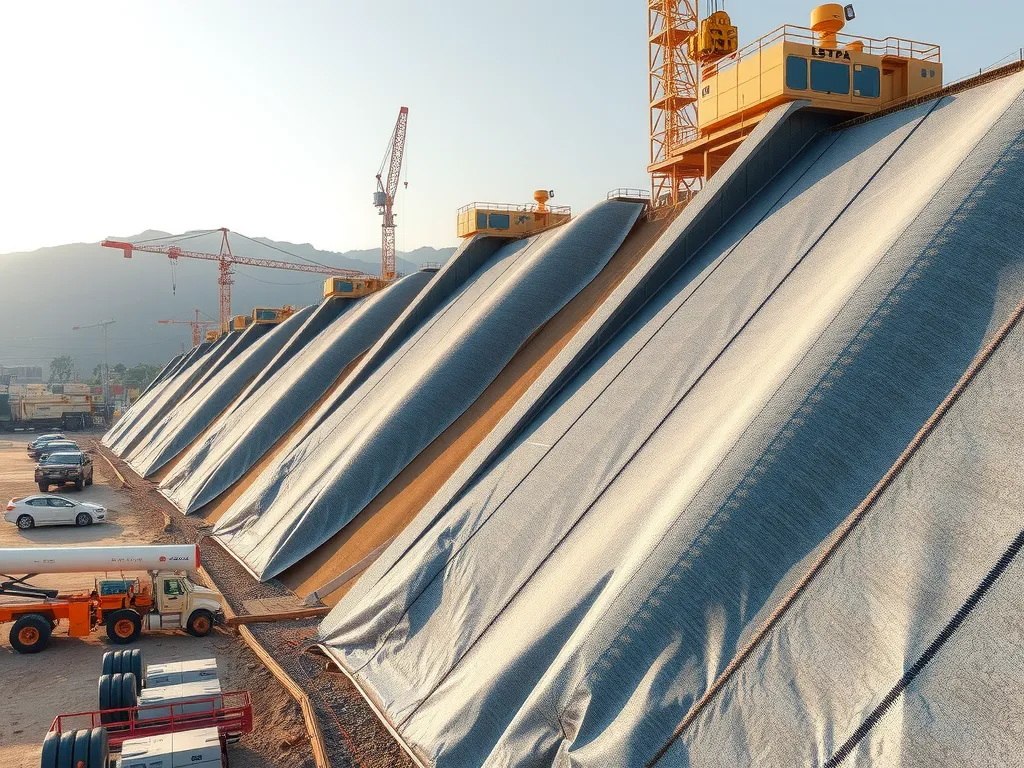
Textured Geomembranes: Benefits and Uses in Today’s Industry
In industrial projects, textured geomembranes stand out for grip and stability that smooth liners cannot match. Made from HDPE, LLDPE, or polypropylene, these polymeric barriers limit fluid migration in harsh settings. Their rough surface is invaluable on steep, wet, or silty slopes, where predictable interface behavior curbs movement during construction and service. This article outlines key benefits and uses for designers, owners, and installers.
What Are Textured Geomembranes?
Textured geomembranes carry a rough finish on one or both sides that raises friction against soils, geotextiles, or concrete. Produced by co‑extrusion or embossing, the micro‑asperities increase the interface friction angle, helping the liner resist downslope creep and maintain intimate subgrade contact. The result is steadier performance on embankments, bunds, and side slopes, especially where construction tolerances, water, or vibration would otherwise promote slippage.
Key advantages include stability, dependable interface grip, and adaptability. Single‑textured sheets ease seaming; double‑textured sheets add traction for multilayer systems. Texture improves footing in damp conditions. Quality formulations provide chemical resistance, UV durability, and toughness against puncture and abrasion. Offered from light gauges for temporary works to heavy sheets for permanent containment, they serve Mining, Construction, Oil & Gas, Waste Management, and Agriculture.
Main Uses Across Different Fields
Due to their flexibility, textured geomembranes find applications in numerous sectors. In the
Mining
industry, they are fundamental to heap‑leach pads and solution management. Higher interface shear strength on side slopes reduces veneer slippage between the liner, drain gravel, and geotextiles, protecting stability and containment.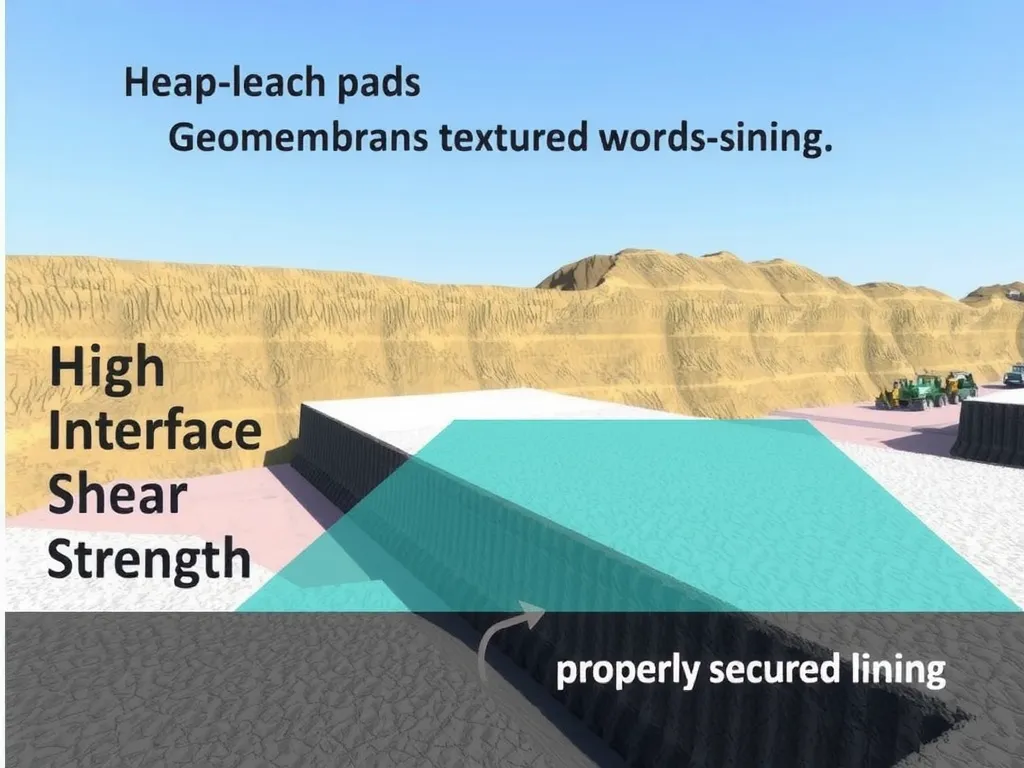 They also line process ponds and channels, where chemical compatibility with cyanide or acidic solutions matters, and where wind uplift and rapid filling cycles demand anchored, wrinkle‑controlled systems that keep capacity and safety margins intact.
In
Construction
, textured surfaces raise shear resistance within dams, tunnels, retaining structures, stormwater basins, and canals. Paired with geotextiles or drainage composites, they help manage pore pressures and maintain contact through differential settlement. Added friction improves performance under service loads, traffic, and seismic events, while reducing sliding of protective soils during installation and enabling efficient sequencing on steep or space‑constrained sites.
Additionally, the application of these geomembranes in
Aquaculture
has shown to be advantageous. In Aquaculture, geomembranes create reliable reservoirs and production ponds that protect water quality. Textured liners resist movement from wave action and aeration, preserving seams and slope geometry. The surface channels biofilm and sediment toward collection points, aiding biosecurity and faster turnarounds. In hot, sunny climates, UV‑stabilized formulations and suitable colors limit thermal wrinkling and help ponds hold their shape.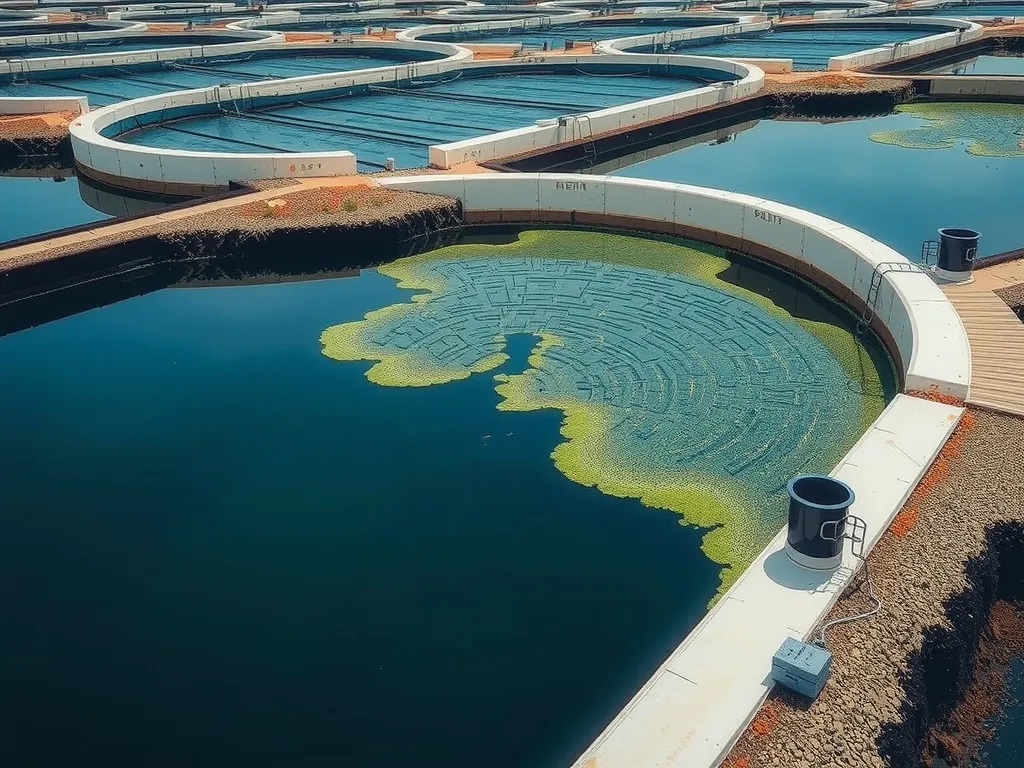
Real-Life Examples Showcasing Effectiveness
Consider a project in the Middle East where textured geomembranes were used to build a large aquaculture facility. A Middle East aquaculture complex adopted textured liners across its ponds. Higher friction curtailed slippage and leaks, while double‑textured slopes with smoother seam zones sped welding and testing. Crews worked safely, and operators reported faster cleaning and fewer repairs between harvests despite saline water and drawdowns.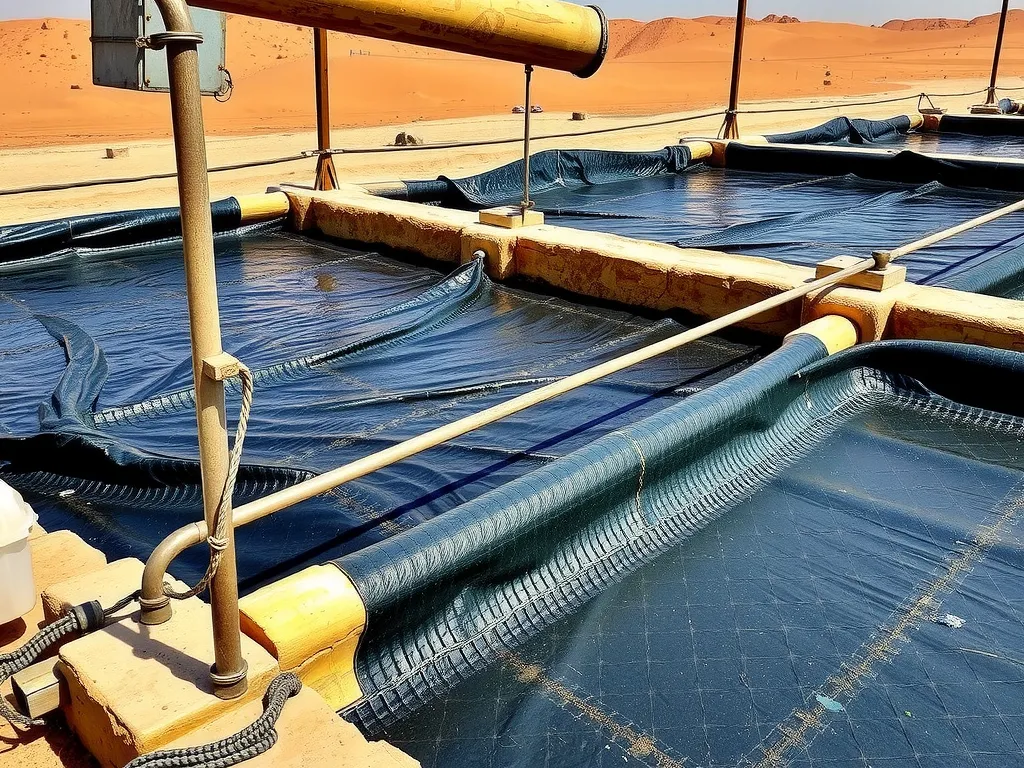 The project demonstrated durable performance at lower lifecycle cost.
Another example is their use in a mining operation, where the geomembranes helped avert a chemical leak, showing their vital role in environmental protection and project success. In a mining operation, textured geomembranes helped avert a chemical release during an extreme rainstorm. The liner and drainage layer stayed interlocked, preserving factors of safety on steep slopes as flows surged. Post‑storm inspections found intact seams and stable interfaces, so production resumed quickly and regulatory reporting proceeded with confidence. The event underscored how product selection and interface testing translate to real environmental protection.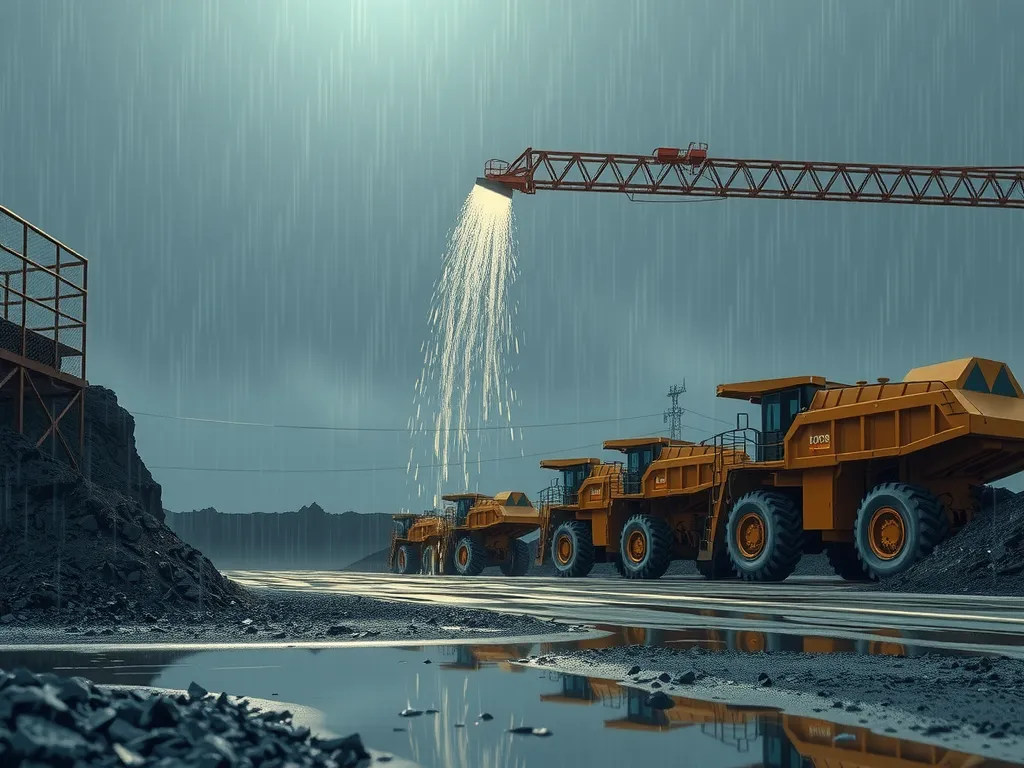
Conclusion
With high grip and stability, textured geomembranes are central to modern containment and earthworks. They elevate safety, protect the environment, and often lower total cost of ownership. When selecting a liner, assess slopes, subgrade, chemicals, exposure, and the need for certified interface tests. Work with experienced installers who follow sound welding, trial seams, and QC. As industries seek resilient, sustainable designs, these liners deliver long, reliable service.