
The Role of Geomembranes in Boosting Environmental Protection in Construction
As building practices advance, eco-friendly methods take priority. Geomembranes—modern polymer liners—help protect ecosystems and strengthen project sustainability. This article reviews their value, recent advances, and future roles. In practice, geomembranes help owners meet regulations, avoid costly remediation, and show transparent stewardship. They support a lifecycle approach: preventing contamination at the source is far cheaper than cleaning it later. From stormwater ponds and landfill caps to industrial lagoons and potable reservoirs, geomembrane systems provide a dependable foundation for projects balancing performance, cost, and long-term environmental responsibility. They also improve constructability and reduce project risk through predictable performance and well‑understood standards. Owners benefit from faster permitting and smoother community engagement when protections are clear and credible.
Geomembranes: A Green Solution in Construction
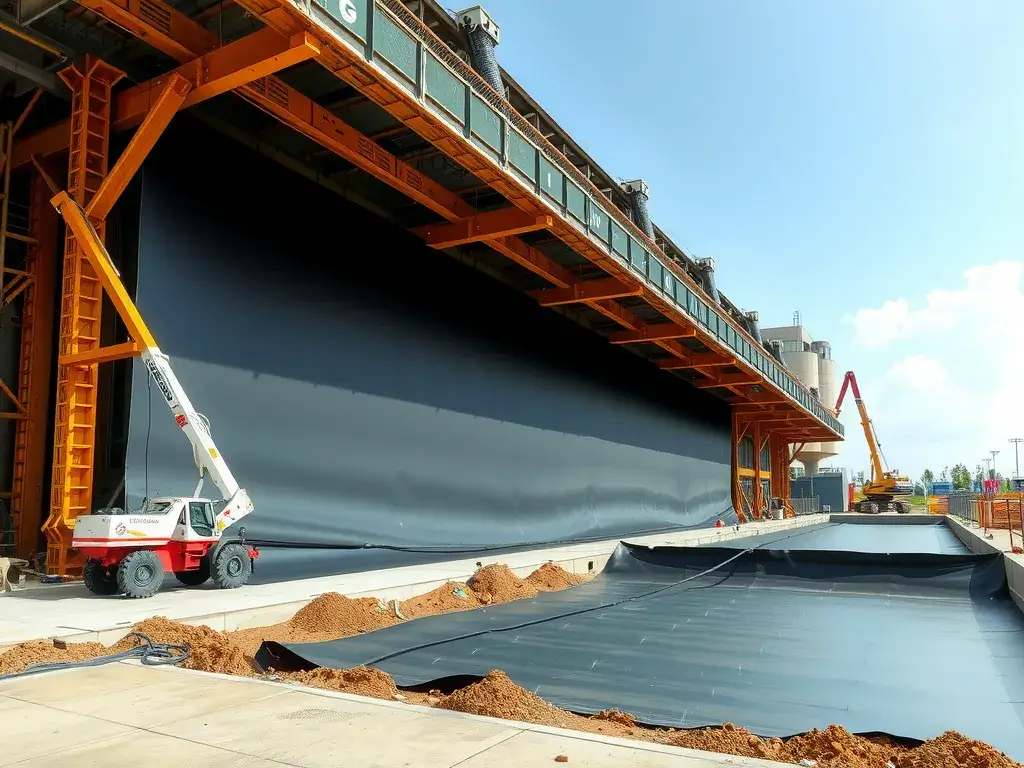
Reducing environmental impact is central to sustainable building, and geomembranes offer a flexible, efficient way to achieve it. High‑density polyethylene (HDPE) and linear low‑density polyethylene (LLDPE) liners act as barriers that protect soil and water from pollution across varied site conditions and regulatory contexts. Designers select materials to match conditions—HDPE for chemical resistance and longevity, LLDPE for flexibility at lower temperatures—while PVC or bituminous options serve niche needs. Properly welded seams, verified by air‑channel or vacuum testing, create a continuous barrier across large areas. Combined with cushioning geotextiles or geosynthetic clay liners, geomembranes form composite systems that resist puncture, accommodate settlement, and maintain performance on slopes, reducing leaks and unplanned releases.
Technological Progress in Geomembrane Manufacturing
Recent manufacturing improvements have increased durability and barrier performance while shrinking footprints and encouraging recycling.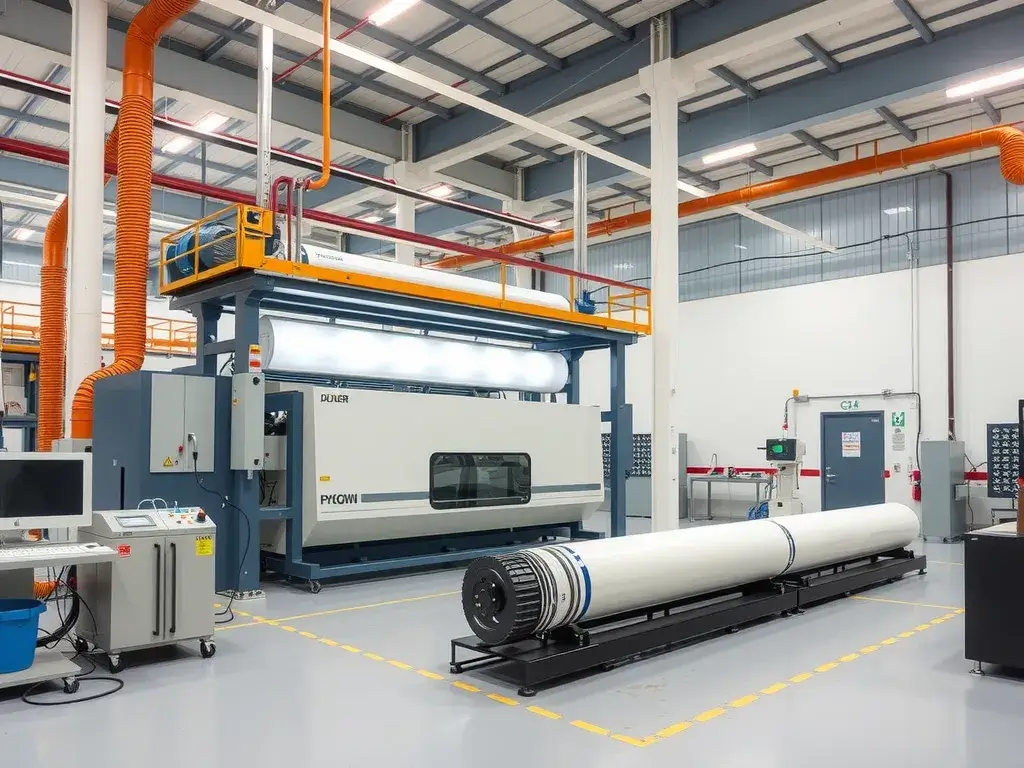 Co‑extrusion enables multilayer films with tailored surfaces—smooth for cleanability and textured for friction on slopes—while stabilizing additives resist UV and oxidation over long service lives. Quality control has advanced as well: factory panels are sized precisely to limit on‑site waste, and traceability systems document resin batches, test results, and installation conditions. Some producers now include post‑industrial or responsibly sourced recycled content without compromising performance, supporting circularity and more robust life‑cycle assessments.
Case Study: Effective Geomembrane Use in Eco-Friendly Construction
A major Saudi Arabian reservoir project lined with geomembranes illustrates these benefits.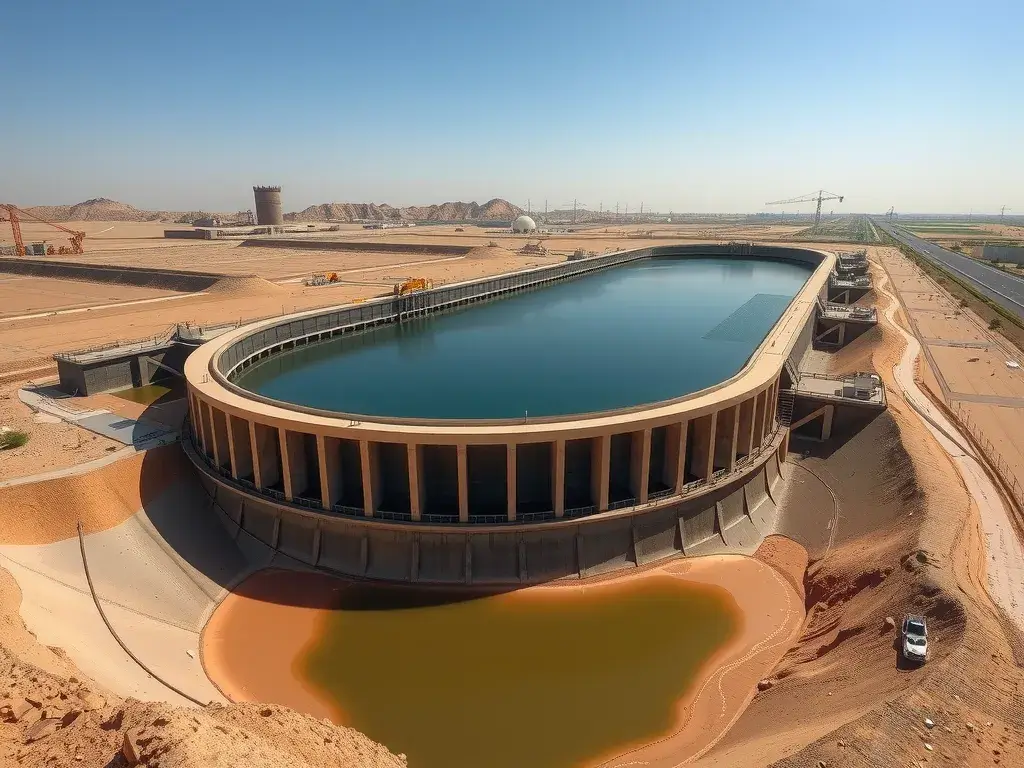 In an arid climate with high evaporation, the system limited seepage and protected scarce water. Installed over a protective geotextile and anchored around the perimeter, the textured liner improved slope stability; rigorous seam testing confirmed integrity before filling. Results included better water quality, reduced maintenance from sediment intrusion, and greater public confidence in long‑term reliability. Transferable lessons include early geotechnical investigation, careful subgrade preparation, and close collaboration between designers and certified installers—principles applicable to reservoirs, canals, and wastewater cells worldwide.
Future Trends: Geomembranes in Green Architecture
As demand for green architecture grows, geomembranes will play an even larger role. Ongoing R&D is enhancing formulations and installation methods. Emerging ideas include sensor‑enabled systems for real‑time leak detection and data‑driven maintenance. Designers are pairing liners with nature‑based solutions—constructed wetlands and bioengineered slopes—to guide, treat, and store water without sacrificing habitat value. In cities, geomembrane‑lined green or blue roofs control stormwater and protect envelopes; floating solar on lined reservoirs links water conservation with renewable energy.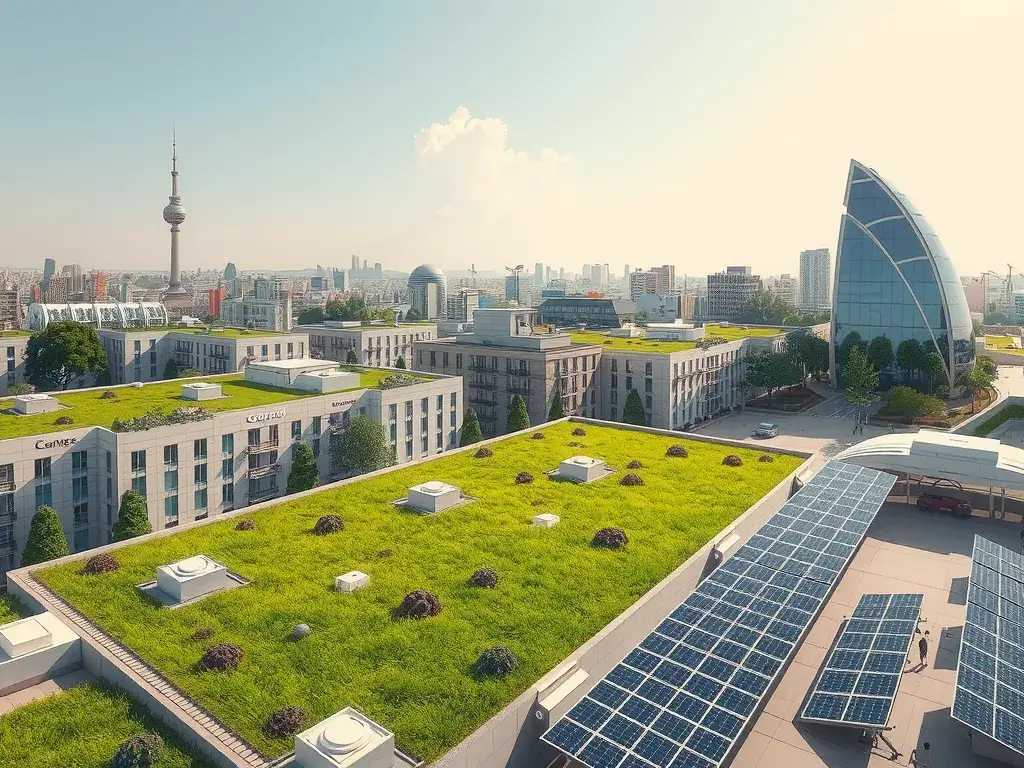 Procurement is prioritizing transparency through environmental product declarations and third‑party certifications, while take‑back and recycling programs aim to keep valuable polymers in circulation.
In summary, geomembranes anchor the shift to more sustainable infrastructure. Their proven ability to prevent environmental harm while enabling growth keeps them central to responsible construction. Success depends on diligent design and execution: early risk assessments, appropriate material selection, sound subgrade preparation, and rigorous quality assurance during seaming and testing. Training for installers and clear operating plans help performance remain high for decades. Integrated into broader water, waste, and landscape strategies, geomembranes support infrastructure that is resilient, economical over its life cycle, and demonstrably protective of the natural environment.