
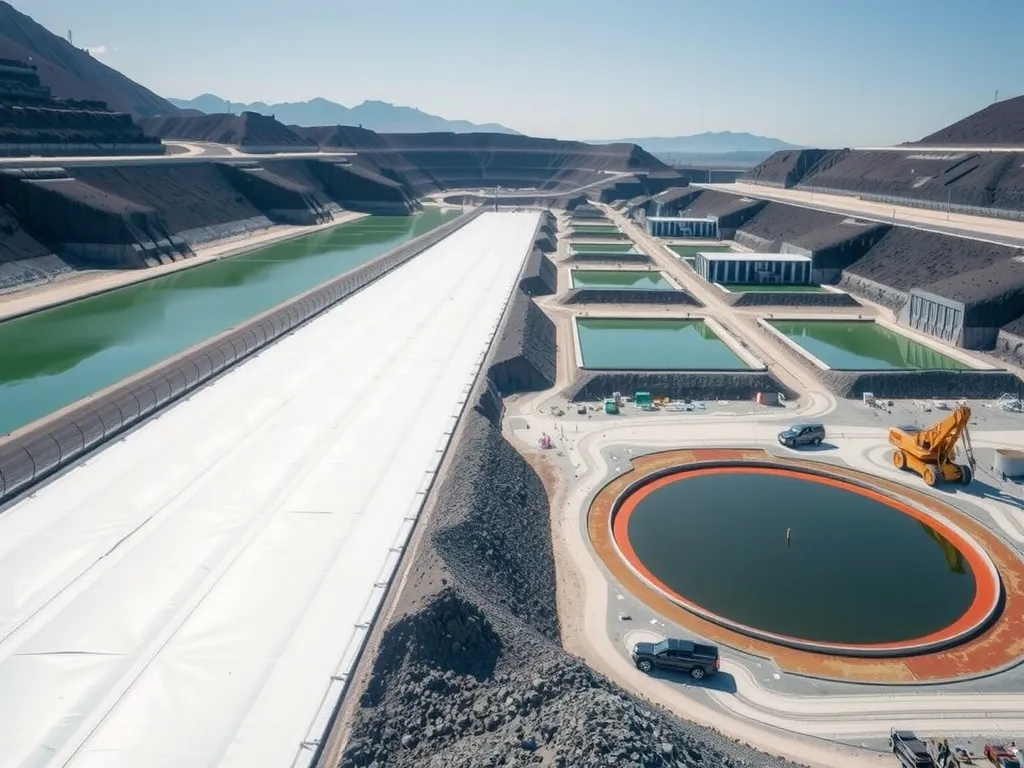
The Role of Geomembranes in Sustainable Mining Operations
The mining industry is at a crossroads as sustainability becomes central. With tighter environmental rules and rising expectations from investors, communities, and insurers, operations must cut ecological impact without sacrificing profitability. Geomembranes—particularly HDPE and LLDPE liners—are pivotal. These engineered barriers greatly reduce uncontrolled releases, protect scarce water, and avert costly remediation.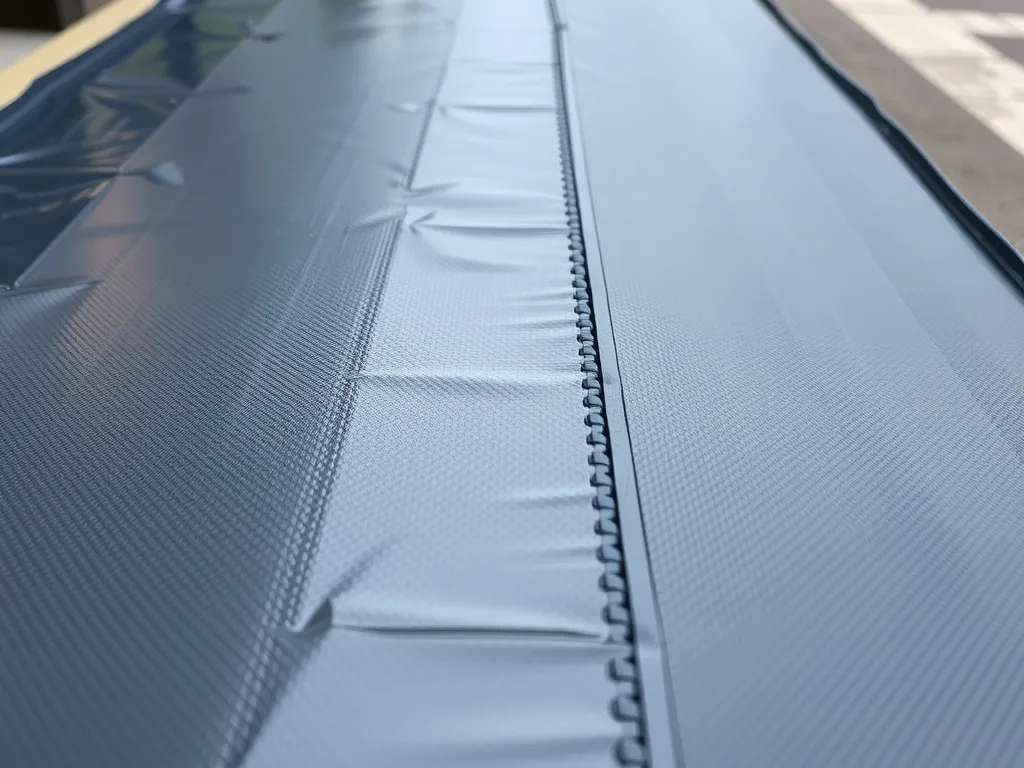 They also strengthen a mine’s social license by providing visible, auditable environmental care. Beyond compliance, liners improve efficiency by limiting solution losses, enabling water recirculation, and stabilizing processes across climates. Advances in resin and manufacturing now deliver superior UV resistance, puncture strength, and stress‑crack performance, allowing well‑designed systems to operate reliably through expansion and closure. When paired with sound water balances and cover systems, liners become central to integrated water management strategies, cutting makeup‑water demand and improving resilience to droughts, intense storms, and regulatory supply constraints.
Understanding Geomembrane Technology for Mining
Geomembranes are waterproof barriers for containment and environmental protection. Produced as sheets by extrusion or calendaring and welded in the field, they form continuous, low‑permeability liners that block pollutants from soil and waterways. Common welding methods include hot‑wedge and extrusion fillet seams; crews document temperatures, speeds, and trial‑strip results to maintain traceability and repeatability throughout installation. In mining, HDPE offers stiffness and strong resistance to acids and salts common in tailings and process solutions, while LLDPE provides flexibility to accommodate settlement, subgrade irregularities, and thermal movement on large pads. Modern systems pair liners with geotextile cushions, drainage geocomposites, and leak detection layers, forming an integrated barrier approach.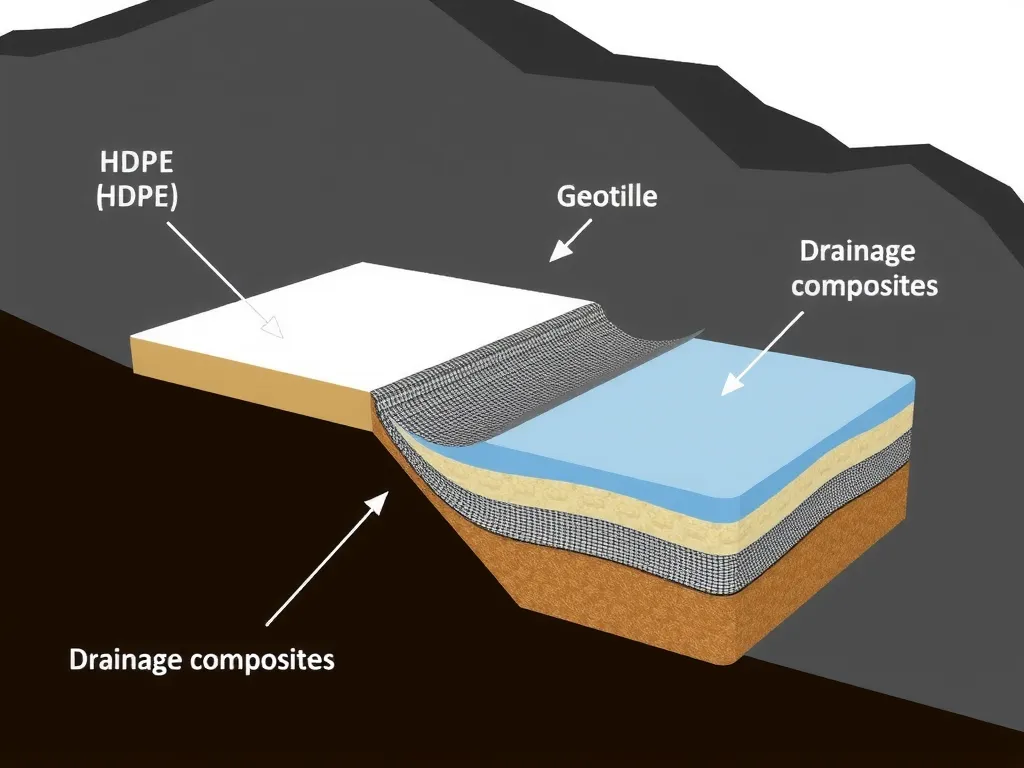 Robust QA/QC—trial welds, non-destructive testing, and selective destructive sampling—verifies that installations meet design intent.
Applications of HDPE and LLDPE Liners in Mining
In mining, HDPE and LLDPE liners are used in tailings ponds and heap leach pads, as well as pregnant and barren solution ponds, process water reservoirs, stormwater and contact-water basins, and secondary containment areas for fuel and reagents. Tailings facilities often use double-liner systems with an intervening leak detection layer to identify issues early and minimize groundwater risk. On heap leach pads, liners limit solution loss, stabilize metallurgical balances, and can increase recovery by maintaining uniform irrigation and reducing infiltration. High UV resistance and durability in extreme heat and freeze–thaw conditions enable performance from deserts to high-altitude sites. Proper subgrade preparation, protective geotextiles, and slope-stability design prevent strain and puncture on steep embankments. During operations, flow accounting and periodic electrical leak surveys help maintain integrity. At closure, geomembrane caps reduce infiltration and oxygen ingress, lowering acid generation, treatment needs, and long-term liabilities.
Case Studies: Sustainable Mining Practices with Geomembranes
Mining projects globally have effectively used geomembranes to enhance sustainability. A gold operation on the Arabian Peninsula installed HDPE liners to block arsenic migration, cutting groundwater complaints and demonstrating practical stewardship. A high-altitude copper heap leach chose flexible LLDPE to accommodate thermal movement and variable subgrades, reducing solution losses and stabilizing recoveries across seasons. An Australian coal site built a double-lined contact-water pond with continuous leak detection; early alerts enabled targeted repairs during planned outages, avoiding downtime and penalties. At closure, a nickel laterite project paired a geomembrane cap with engineered soils and drainage to limit infiltration and shrink long-term treatment volumes. These results show how focused liner investments reduce impacts, build community confidence, and deliver life-cycle cost savings.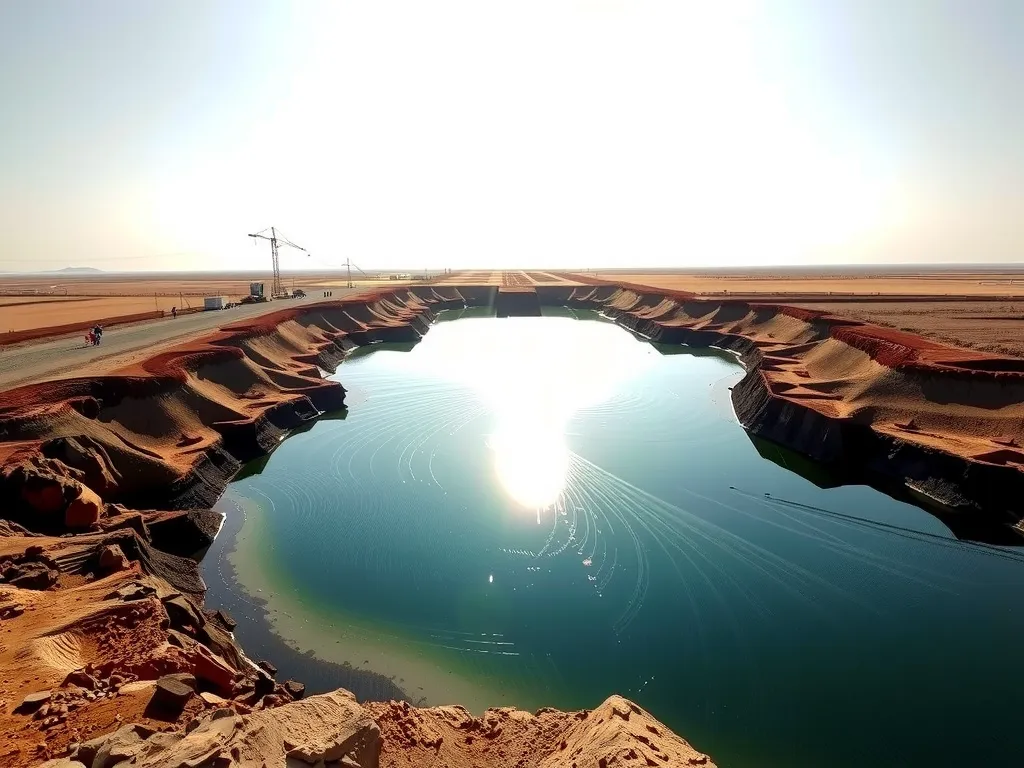
Conclusion
Mining operators face growing pressure to meet sustainability targets. Geomembranes—especially HDPE and LLDPE—offer dependable containment that mitigates risk, conserves water, and supports compliance when combined with sound design, installation QA/QC, and monitoring. Adopting these systems meets regulatory demands and advances responsible mining. As resin science, manufacturing precision, and digital leak detection evolve, well-maintained liners will remain a cornerstone of resilient, lower-impact operations—providing environmental assurance today and reducing closure liabilities for decades to come.