
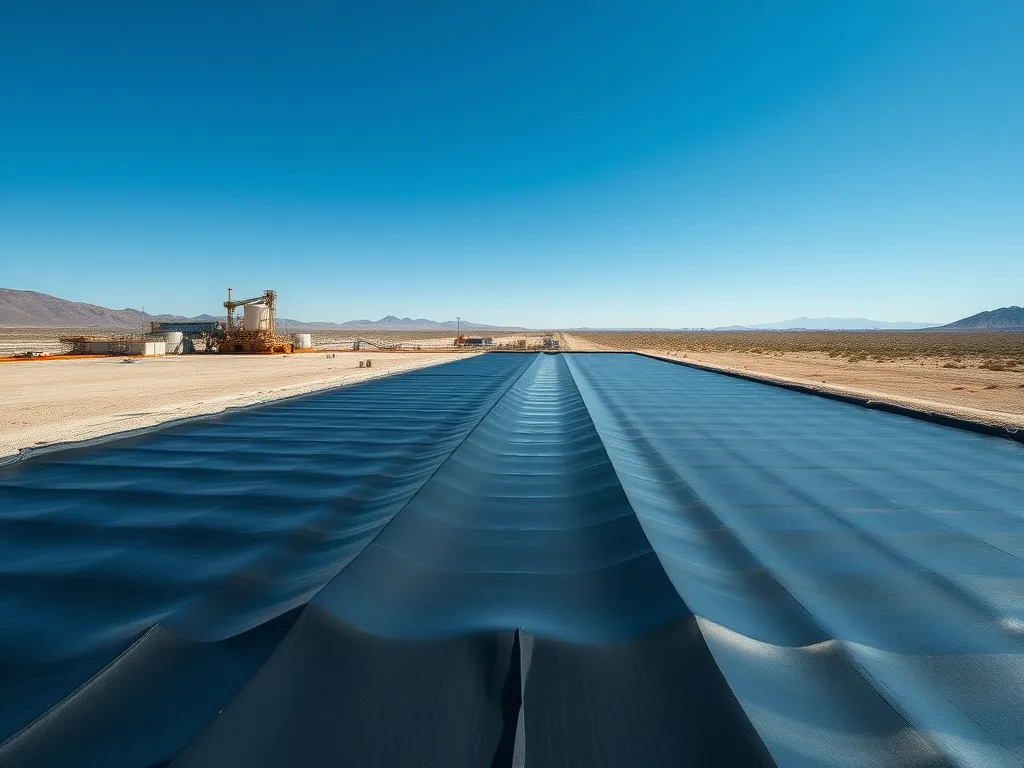
The Role of HDPE Geomembranes in Evaporation Ponds for Desalination and Industrial Wastewater Projects
As environmental expectations and regulations rise, High-Density Polyethylene (HDPE) geomembranes have become central to evaporation pond design. In desalination and industrial wastewater management, these liners provide reliable containment while lowering lifecycle costs by minimizing seepage, simplifying maintenance, and enabling predictable closure. Consistent barrier performance also supports transparent reporting and compliance across varied permitting frameworks.
Introduction to HDPE Geomembranes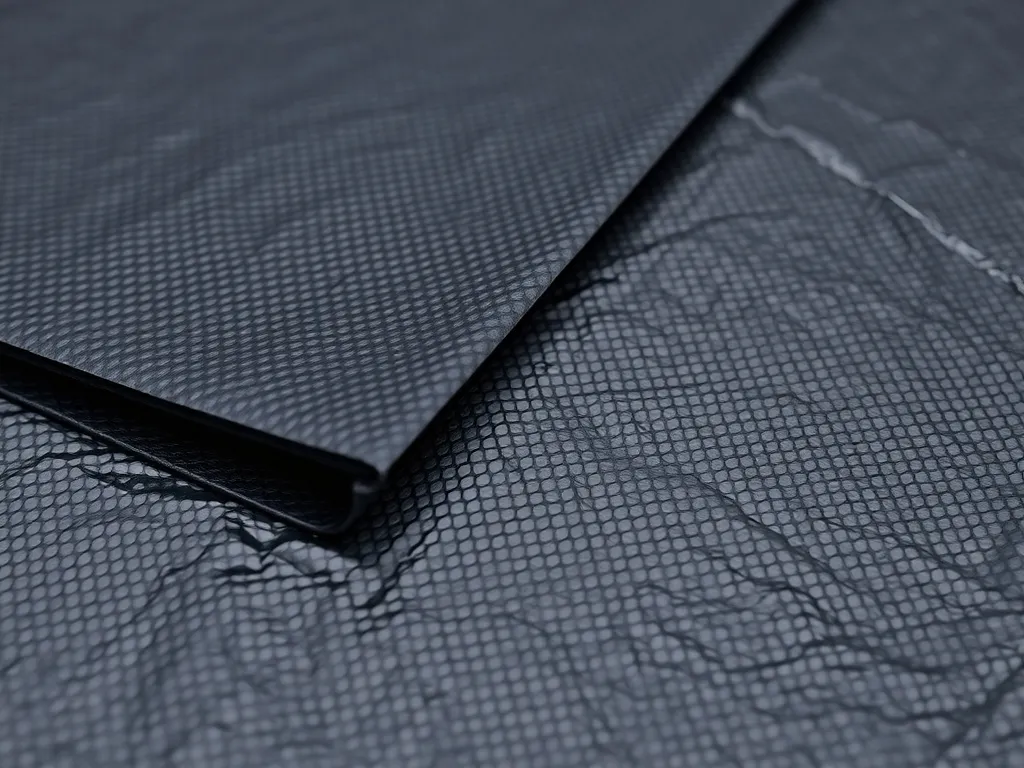
HDPE geomembranes are thermoplastic liners valued for chemical resistance, strength, and durability. Used across construction, mining, agriculture, and aquaculture, they have transformed waste containment. Additives such as carbon black enhance ultraviolet (UV) stability, and modern flat-die or blown-film extrusion yields sheets in typical pond thicknesses of 0.75–3.0 mm, allowing designs tailored to site risk and regulation.
In desalination and industrial facilities, evaporation ponds rely on HDPE to confine brines as water evaporates and salts concentrate. Very low permeability protects soils and aquifers, and weldable seams create large, continuous barriers that fit complex geometries. Compatibility with geotextiles, drainage layers, and leak-detection systems streamlines construction and produces integrated, robust containment.
Importance of Evaporation Ponds in Industrial Processes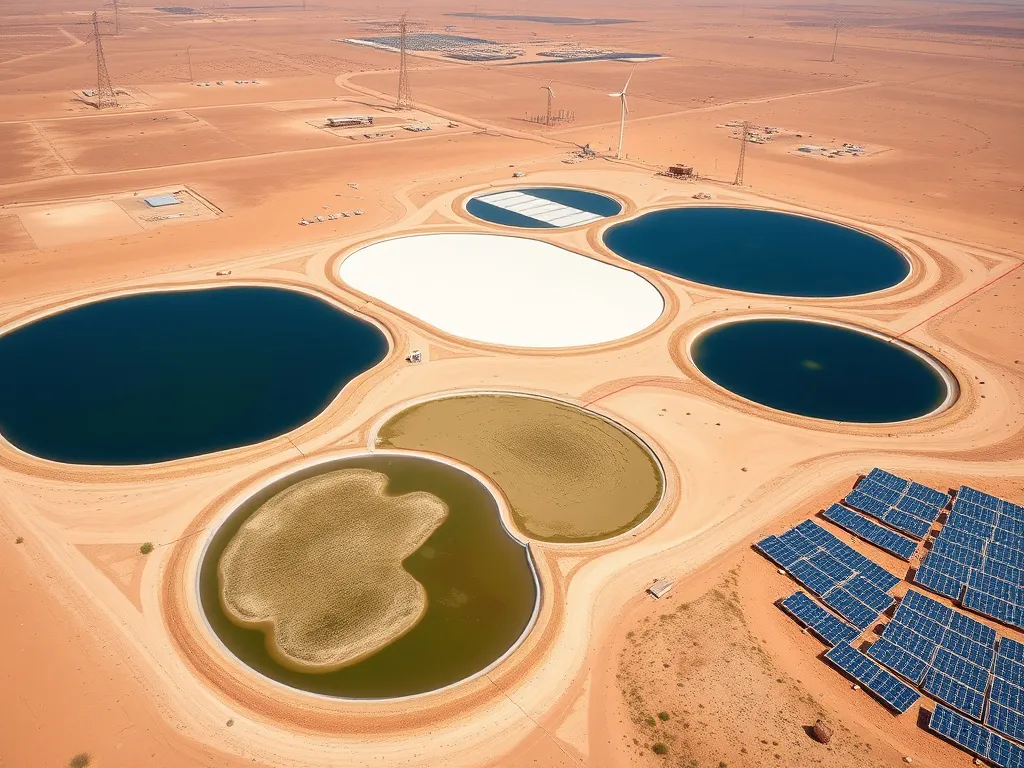
Evaporation ponds are vital where desalination supplies water or where liquid waste volumes must be reduced. By concentrating brine and other effluents, they help prevent release of harmful substances to soil and waterways. In arid regions they harness solar energy to cut operating costs versus thermal or mechanical concentration. Properly designed ponds let operators segregate streams, manage scaling, and harvest salts in a controlled manner. The geomembrane liner underpins this control, maintaining separation from the environment through fluctuating hydraulic loads, storms, and temperature swings.
Industrial Wastewater Management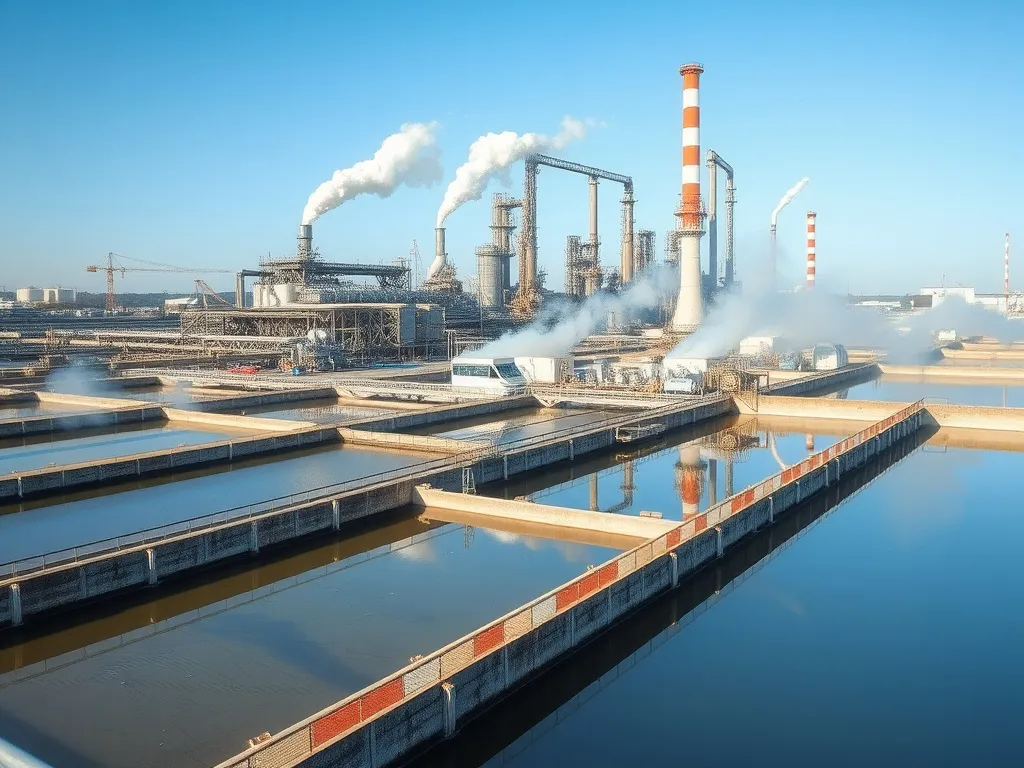
Heavy industries generate large volumes of complex wastewater. Evaporation ponds offer a cost-effective way to lower environmental impacts, and HDPE liners are critical to prevent infiltration and corrosion. Sectors such as chemical manufacturing, power generation, food processing, and oil and gas use lined ponds for high-salinity purge streams, cooling-tower blowdown, and RO reject. Near sensitive receptors, HDPE paired with leak-detection layers adds protection that can be decisive for permitting. HDPE withstands cyclic wetting and drying and tolerates limited oils and surfactants within defined limits, providing a robust baseline for variable chemistries.
Desalination Byproduct Management
Desalination produces concentrated brine that must be carefully managed. Evaporation ponds use natural heat to leave solid residues, relying on HDPE liners for chemical resistance and seam integrity. Brines may include antiscalants, residual coagulants, trace metals, and organics, so containment is paramount. Lined cells can act as buffers for blending, pH control, and staged crystallization; cells can be cycled for salt harvesting without compromising the barrier. Textured or smooth surfaces are selected to balance slope stability and ease of cleaning. In zero-liquid-discharge (ZLD) programs, HDPE-lined ponds complement mechanical systems by handling peaks or serving as emergency storage.
Properties of HDPE Geomembranes That Enhance Their Suitability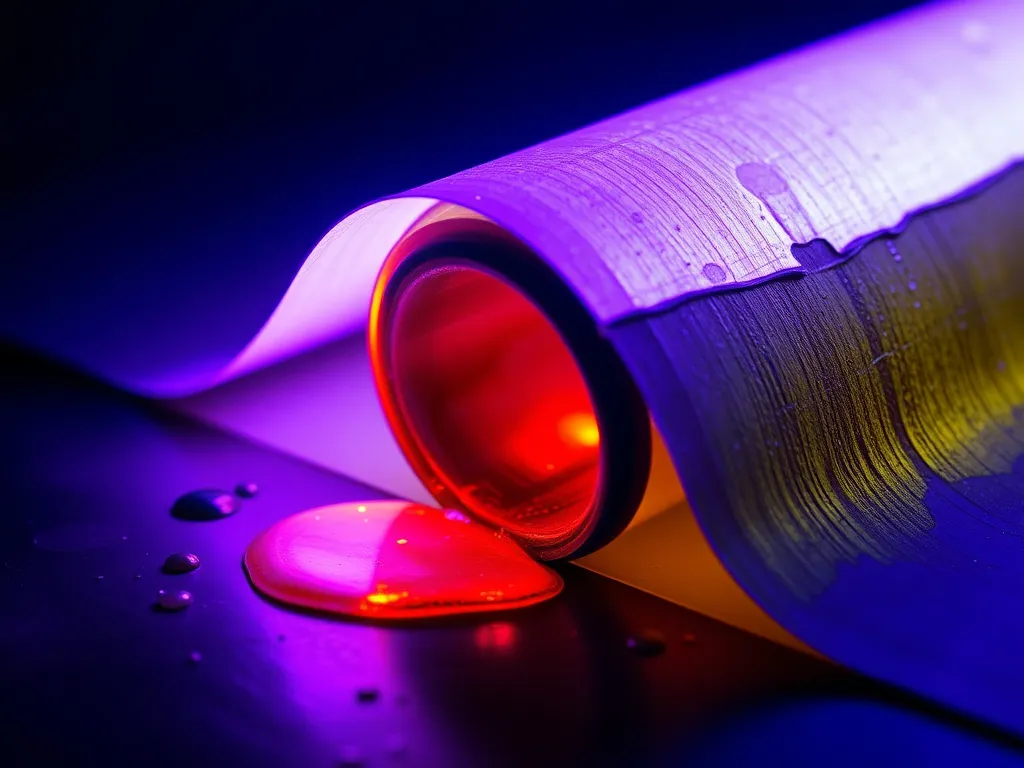
HDPE’s blend of chemical resistance, mechanical strength, UV stability, and weldability meets demanding industrial needs. Compared with many alternatives, HDPE offers strong cost-to-performance, excellent environmental stress crack resistance (ESCR), and thermal welding that creates homogeneous seams. With sound design, installation, and maintenance, these traits deliver predictable, decades-long service.
- Chemical Resistance: HDPE resists a wide range of acids, bases, chlorides, sulfates, and inorganic salts found in brines and industrial effluents. Within temperature limits, it tolerates oils and some hydrocarbons; aromatic solvents require compatibility review. Appropriate resin and antioxidant packages maintain stability in oxidizing environments or in the presence of residual disinfectants, preserving long-term barrier performance.
- Durability: These liners endure extreme temperatures and prolonged UV exposure. Carbon black (about 2–3% in black geomembranes) protects against photodegradation; specialty products may add HALS. HDPE’s abrasion and puncture resistance supports equipment access during salt removal, and resistance to slow crack growth sustains performance at anchor trenches, penetrations, and seams. With good subgrade preparation and protective geotextiles, the system maintains integrity through settlement and thermal cycling.
- Flexibility: Despite high strength, HDPE remains flexible enough to accommodate minor ground movement and differential settlement. Textured variants improve interface friction on slopes, while smooth liners ease cleaning on flats. Flexibility and weldability support reliable detailing at pipes, sumps, and leak-detection risers without compromising continuity.
Standards Compliance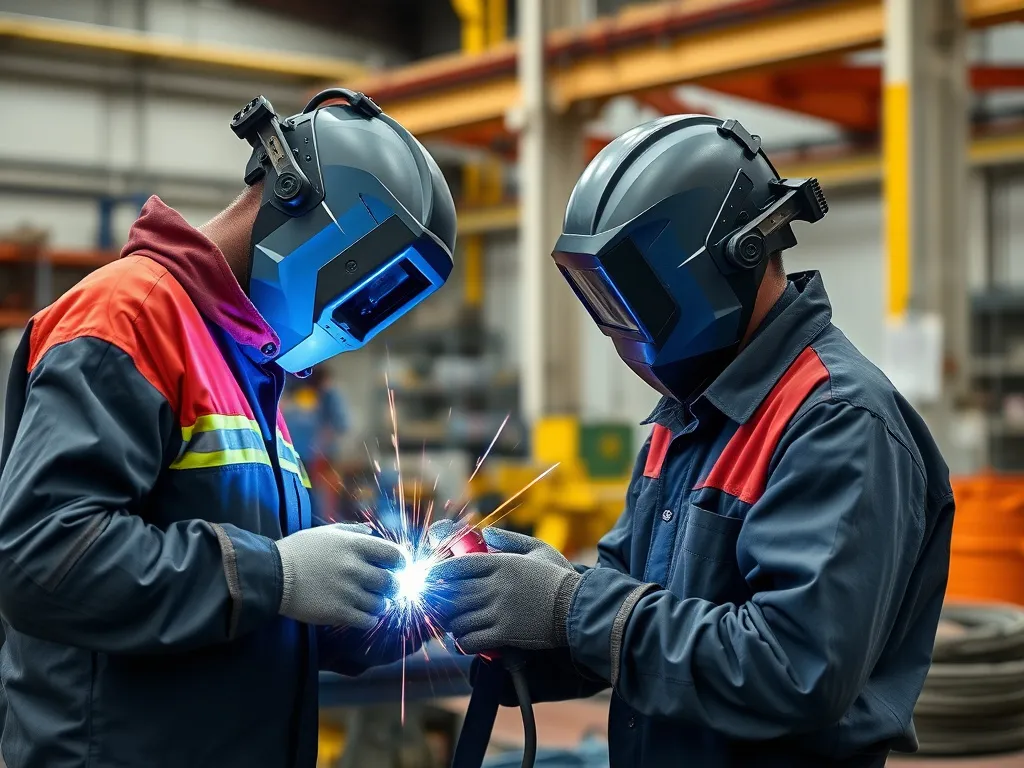
Quality products conform to standards such as GRI-GM13 and GRI-GM17. Manufacturers typically operate under ISO 9001 and use third-party testing for tensile properties (ASTM D6693), puncture resistance (ASTM D4833), oxidative-induction time (ASTM D3895), and seam strength (ASTM D6392). During construction, certified welding technicians follow documented procedures, trial seams, and parameter logs within a CQA plan. This traceability gives owners and regulators confidence that installed systems meet specifications.
Implementation of HDPE Geomembranes in Evaporation Ponds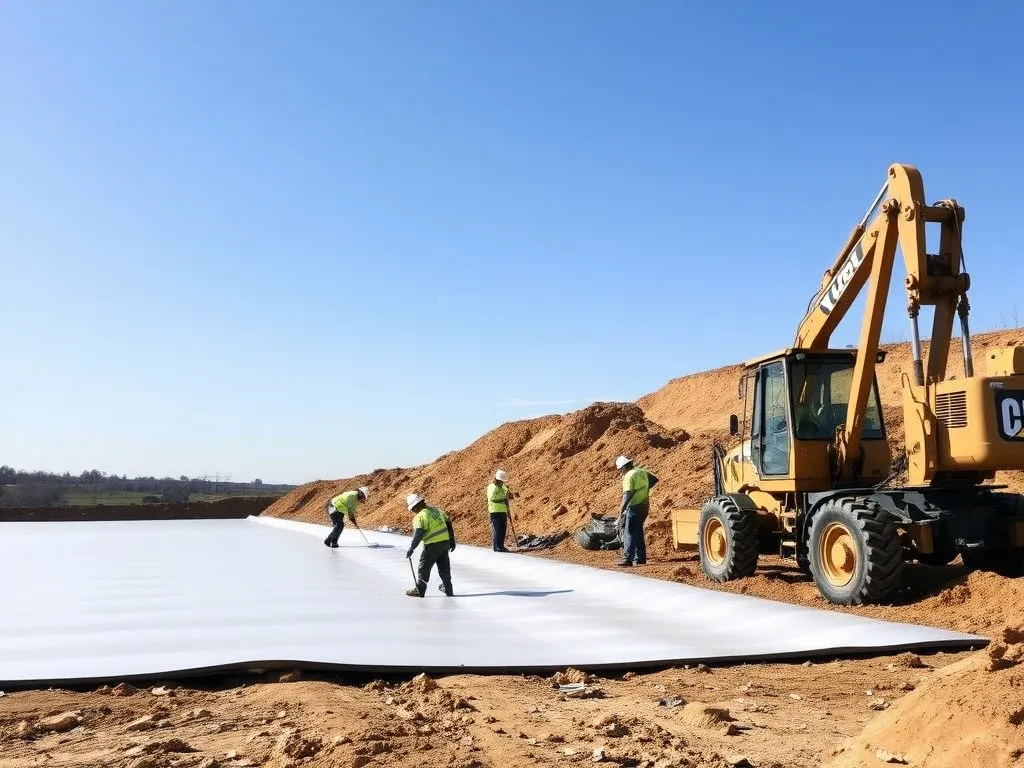
Successful installation requires planning around weather, wind, earthworks, and freeboard. Designers address uplift, wave action, and salt precipitation when selecting thickness, texture, and protection layers. A rigorous CQA/CQC program verifies each step from subgrade to commissioning.
- Site Preparation: Grade, compact, and proof-roll the subgrade to remove soft spots and sharp protrusions. Excavate anchor trenches at berm crests to secure perimeters. Place geotextile cushions over coarse or angular soils, and incorporate drainage and leak-detection layers where required. Ensure slopes, benches, and access ramps support safe maintenance and solids removal.
- Liner Installation: Deploy panels with predominant winds to limit billowing, using temporary ballast as needed. Form continuous barriers via thermal fusion: double-wedge welding for long seams and extrusion welding for details. Record welding temperatures, speeds, and ambient conditions; cut and test trial seams at each shift. Pay special attention to penetrations, sumps, and corners, and place textured or smooth panels per friction and maintenance needs.
- Quality Assurance: Verify integrity with non-destructive tests such as air-channel pressure on double seams and vacuum box testing on extrusion seams. Take destructive peel and shear samples at defined frequencies. Conduct electrical leak location (ELL) or water-puddle tests to find and repair pinholes. Final documentation—as-builts, test logs, and certifications—supports future inspections and audits.
Case Study: Successful Implementation in the Middle East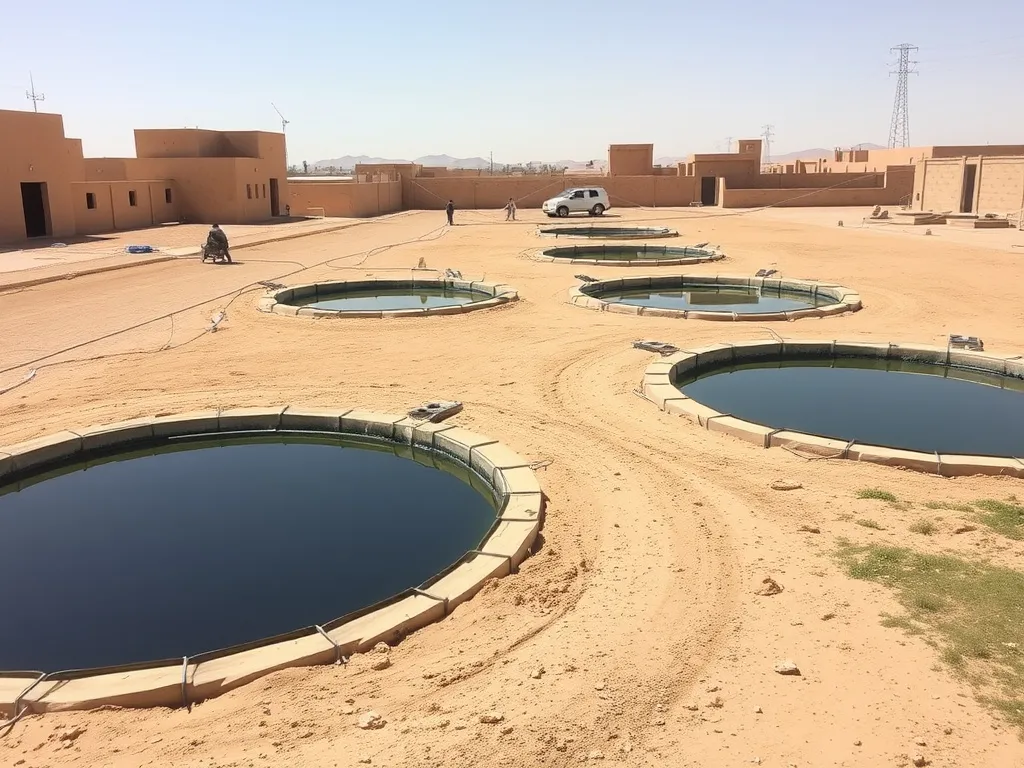
At a major Saudi desalination plant, HDPE-lined evaporation ponds have withstood extreme heat, minimized seepage, and protected groundwater while meeting local regulations. Designers selected a thick, UV-stabilized liner with textured slopes for stability. Uniform subgrades and continuous CQA testing delivered watertight seams across large panel runs. Operational practices—staged filling, periodic crust removal, and routine inspections—maintain evaporation efficiency and limit damage from crystallized salts or equipment traffic, creating a reliable, low-maintenance system aligned with regional sustainability goals.
Examples of Best Practices and Tips for Geomembrane Selection
Proper selection and installation are essential. Match liner properties to the liquid’s chemistry and temperature profile, use certified installers with robust CQA, and schedule routine inspections to catch small issues early. Clear specifications referencing recognized standards and testing frequencies promote consistent quality.
- Material Selection: Balance chemical resistance, UV stability, and cost. For high-UV or high-temperature sites, specify proven resins and antioxidant packages. Select thickness for subgrade conditions, operational loads, and maintenance traffic; thicker liners improve puncture resistance and durability. Choose smooth or textured surfaces for cleaning needs and slope stability, and consider light-colored or coextruded white/black liners to reduce heat gain.
- Professional Installation: Engage experienced, certified crews who follow manufacturer guidance and industry standards. Require documented procedures, equipment calibration, and daily trial seams. Coordinate closely with earthworks to protect prepared subgrades and minimize delays. Independent CQA provides oversight and real-time problem solving, improving performance and regulatory confidence.
- Routine Maintenance: Inspect regularly for seam condition, ballast integrity, animal or wind damage, and sharp crystals or debris. Establish a repair protocol covering patch materials, surface preparation, and post-repair testing. Manage vegetation and wildlife to reduce damage risks, and plan solids removal using low-ground-pressure equipment and protective mats to preserve liner integrity.
The Future of Geomembranes in Industrial and Environmental Applications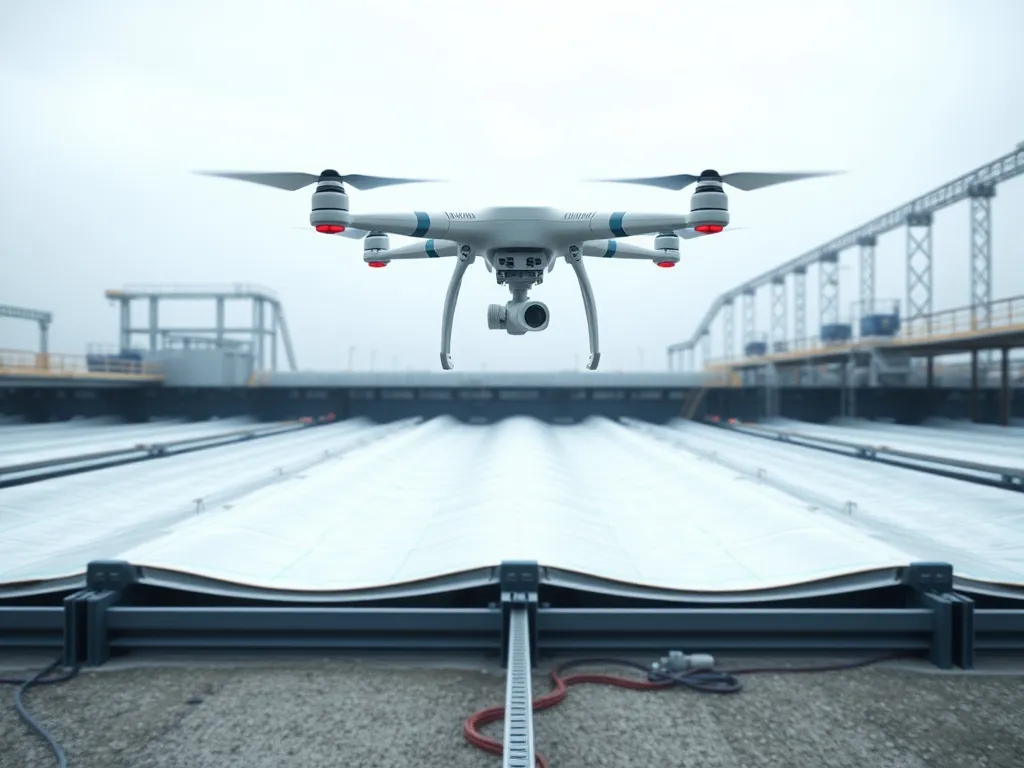
Demand for HDPE geomembranes will grow as industries pursue lower impacts and stricter compliance. Owners increasingly apply holistic risk assessments for extreme weather, seismic events, and evolving wastewater chemistries—favoring robust liners with documentation and traceability. Broader integration with leak-detection technologies and data analytics will enable proactive monitoring and maintenance.
Sustainability and Technological Advancements
Sustainability is driving more recyclable materials and lower embodied carbon. Prefabricated components and automation reduce waste and speed installation. Life-cycle assessments inform material choices, while coextruded reflective liners lower surface temperatures and thermal stresses. Digital tools—drone inspections, smart seam mapping, and GPS-enabled as-builts—enhance quality control and streamline future repairs. Systems designed for leak detection, modular expansion, and adaptive operations will offer lasting value.
Conclusion
HDPE geomembranes are central to managing desalination byproducts and industrial waste. Their robust properties and track record make them essential for secure, efficient evaporation ponds. As sustainability goals tighten, HDPE liners will continue to expand in use, limiting seepage, protecting groundwater, and providing the operational stability needed to optimize evaporation and solids handling.
Selecting high-quality HDPE geomembranes and following best practices for installation and maintenance delivers long-lasting, effective systems. Aligning material selection, construction quality, and routine inspections yields predictable performance, less downtime, and stronger confidence from communities and regulators. In short, HDPE geomembranes do more than line ponds—they enable resilient, responsible water and waste management in a resource-constrained world.