

Using Geomembranes to Enhance Environmental Care in Aquaculture
As environmental challenges grow, aquaculture operations around the globe are striving to adopt more sustainable and eco-friendly practices. A significant step in this direction is the use of geomembranes, which not only safeguard the environment but also boost operational effectiveness. Responding to tighter discharge rules and rising expectations for responsible seafood, many producers now use engineered polymer liners. These geomembranes—often made from HDPE, LLDPE, or PVC—create a predictable, easy-to-maintain culture environment that supports healthier stock and consistent output.
Environmental Advantages of Geomembranes in Aquaculture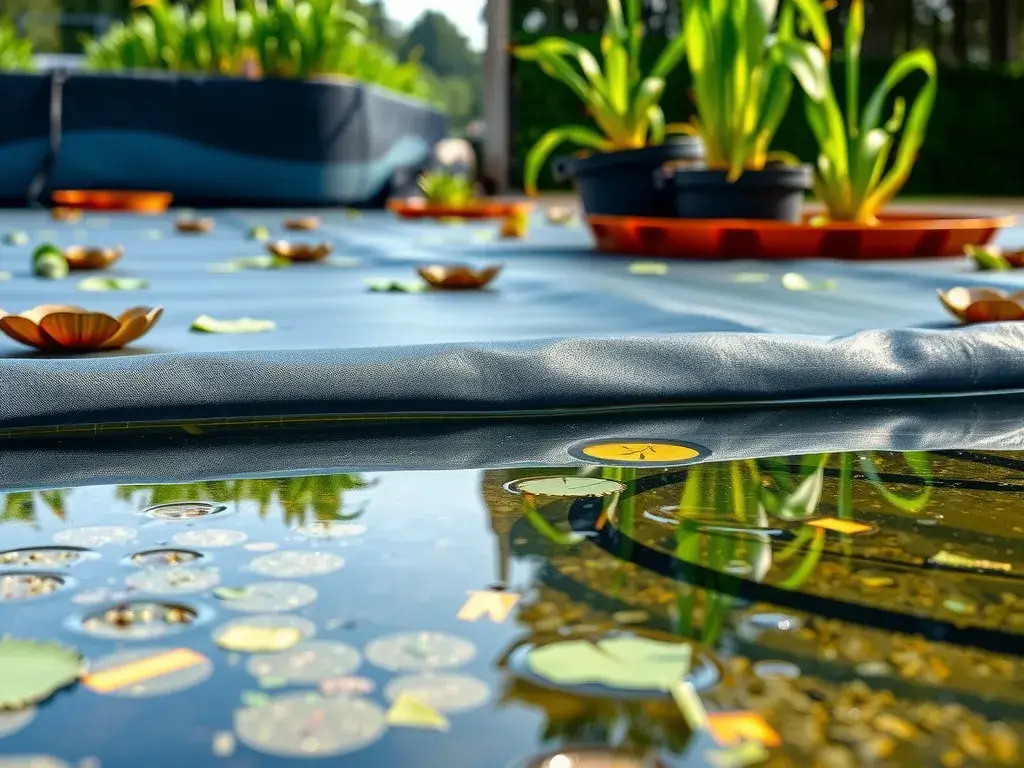
Used as liners in aquaculture ponds and tanks, geomembranes serve as a reliable shield against contamination. By preventing seepage and leaks, these liners help maintain crucial water quality while reducing the risk of pollutants entering natural water systems. Isolating culture water from subgrade soils also limits mineral mobilization that can alter pH or cloud the water column, and it curbs cross‑contamination between adjacent ponds. This level of control enhances biosecurity and supports stable salinity and dissolved oxygen—conditions fish and shrimp depend on to thrive.
Since these liners are impermeable, harmful nutrients or chemicals present in wastewater are contained and treated before disposal. This protects surrounding ecosystems and helps operations meet increasingly strict regulations. Many facilities add lined sumps and sediment traps to capture sludge for safe removal, easing the load on downstream treatment. The chemical and UV resistance of modern membranes enables repeated cleaning, and welded seams can be tested to verify integrity—giving operators confidence that compliance targets are met day after day.
Sustainability and Cost Efficiency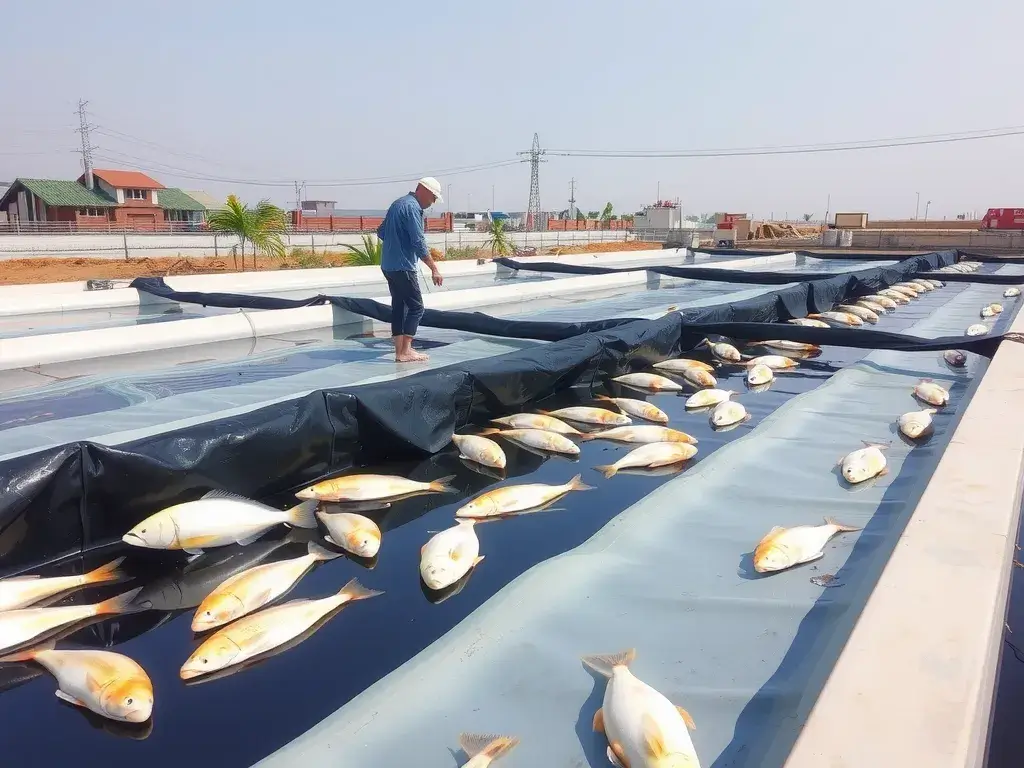
Beyond environmental protection, geomembranes offer significant sustainability benefits. Their durability and resistance to UV damage provide a long-lasting solution that limits the need for frequent replacements. High puncture strength and heat‑welded seams withstand routine netting, harvesting, and equipment traffic, delivering dependable service over many seasons. Because the barrier is predictable, producers often require less earthwork and fewer chemical adjustments to keep ponds in balance. Over time, this leads to notable cost savings, less downtime, and more consistent yields.
Geomembranes also encourage resource efficiency. By minimizing water loss through evaporation and seepage, aquaculture operations can significantly reduce water consumption, a critical factor in areas experiencing water shortages. Reliable water retention supports reuse and recirculation strategies, lowering the volume that must be pumped, filtered, or heated. The stable hydraulic conditions reduce the risk of saltwater intrusion into soils in coastal sites and help maintain a more uniform temperature profile, both of which can improve animal performance and reduce energy bills across a production cycle.
Case Study: Sustainable Aquaculture Achievement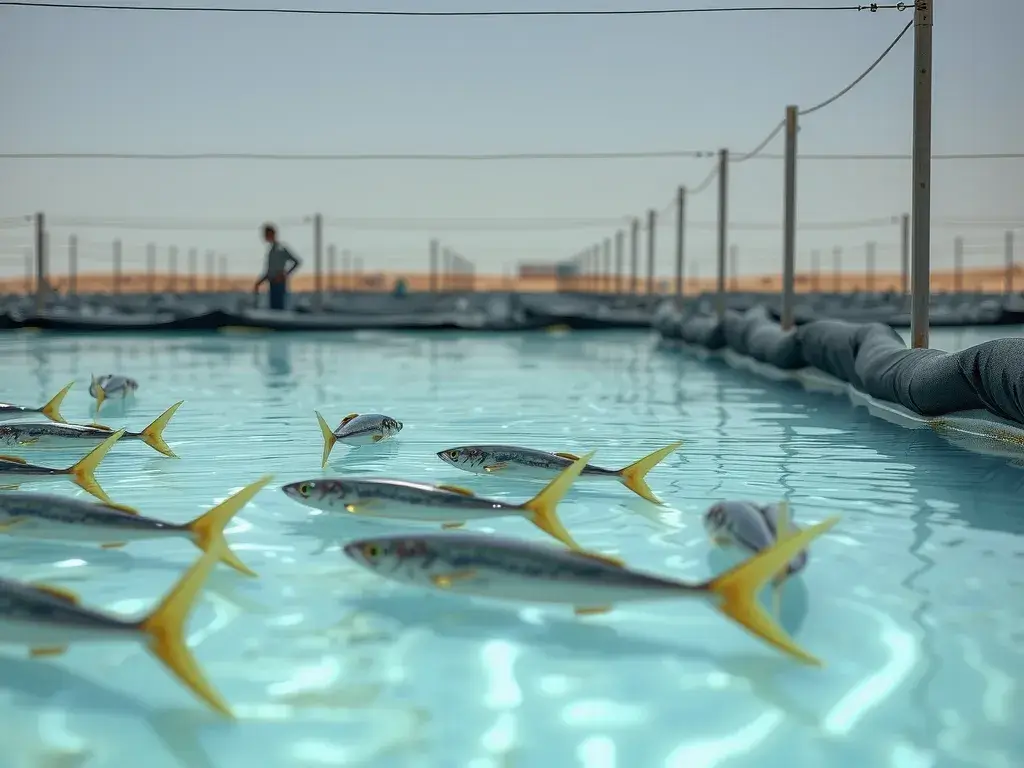
A noteworthy example is a Saudi Arabian fish farm that incorporated geomembrane liners to revolutionize its operations. After implementing these liners, the farm cut water usage by over 40% while improving the quality of its products. Located in an arid region, the team replaced aging clay-lined ponds with HDPE, trained staff in proper welding and inspection, and added lined drainage channels for solids capture. The result was steadier water parameters, fewer repairs, and more predictable harvests, along with clear compliance and recognition among regional producers.
Conclusion
As the aquaculture industry grows, adopting technologies that deliver both economic and environmental gains is crucial. Geomembranes meet this need, helping operators address water quality, containment, and risk. They reduce the chance of pond failure and uncontrolled releases during storms, strengthening day‑to‑day resilience. Results depend on good practice: prepare the subgrade, anchor securely, design stable slopes, and inspect seams regularly. Implementing geomembranes is more than compliance—it is a strategic step toward a sustainable future.
For more information on geomembranes for aquaculture, including material selection and installation best practices, visit
GPF
for case studies and planning tools.