

GRI-GM13 and ASTM Standards for HDPE Geomembranes: Essential Information for Buyers
In industries where materials must meet strict durability and performance requirements, High-Density Polyethylene (HDPE) geomembranes are prominent. Used in mining, agriculture, aquaculture, and construction, HDPE geomembranes offer reliable containment solutions. However, not all geomembranes are the same—the GRI-GM13 and ASTM standards set the benchmarks for quality and dependability in HDPE geomembrane production. This article clarifies these important standards and what buyers should understand to make informed choices.
These standards are crucial. They ensure materials meet and often surpass industry expectations, supporting environmental safety and operational efficiency. Without adherence, the risk of environmental harm and operational failures increases significantly. This article examines how GRI-GM13 and ASTM standards apply to HDPE geomembranes, the advantages they offer, and practical factors buyers should consider when choosing these materials.
Buyers in sectors ranging from oil and gas to agriculture need to ensure that the products they buy meet these standards. They should understand the key technical specifications, testing parameters, and quality guarantees that GRI-GM13 and ASTM provide. As these standards evolve with technological progress, staying informed is not only beneficial but necessary for operational success.
Here’s what you’ll learn in this comprehensive guide: an in-depth look into GRI-GM13 and ASTM standards, how they define geomembrane quality, and practical insights into selecting the right materials for your needs.
Understanding GRI-GM13 Standards
The Geosynthetic Research Institute’s GRI-GM13 is a widely recognized industry standard that specifies the properties HDPE geomembrane liners must have. It sets strict criteria for tensile strength, elongation, and oxidative resistance so materials can endure harsh conditions without degrading.
GRI-GM13 specifically mandates the following:
- Thickness requirements to ensure strong barrier strength
- Tensile properties to maintain structural integrity under stress
- Environmental stress crack resistance to prevent failure over time
- Oxidative induction time to support longevity and chemical resistance
These criteria are assessed through rigorous testing processes to simulate environmental conditions encountered in applications such as chemicals construction or landfills. HDPE geomembranes manufactured to meet GRI-GM13 standards offer a high level of reliability and durability, crucial for avoiding leaks and contamination in industrial settings.
Case Study: Successful Application of GRI-GM13 Compliant Geomembranes
Consider a recent project undertaken by a major mining operation in Saudi Arabia. The key challenge involved containing waste materials from their drilling processes. Using GRI-GM13 compliant HDPE geomembranes, the operation not only met local environmental regulations but also experienced a significant reduction in waste containment failures, ultimately saving costs associated with environmental cleanup.
ASTM Standards and Their Importance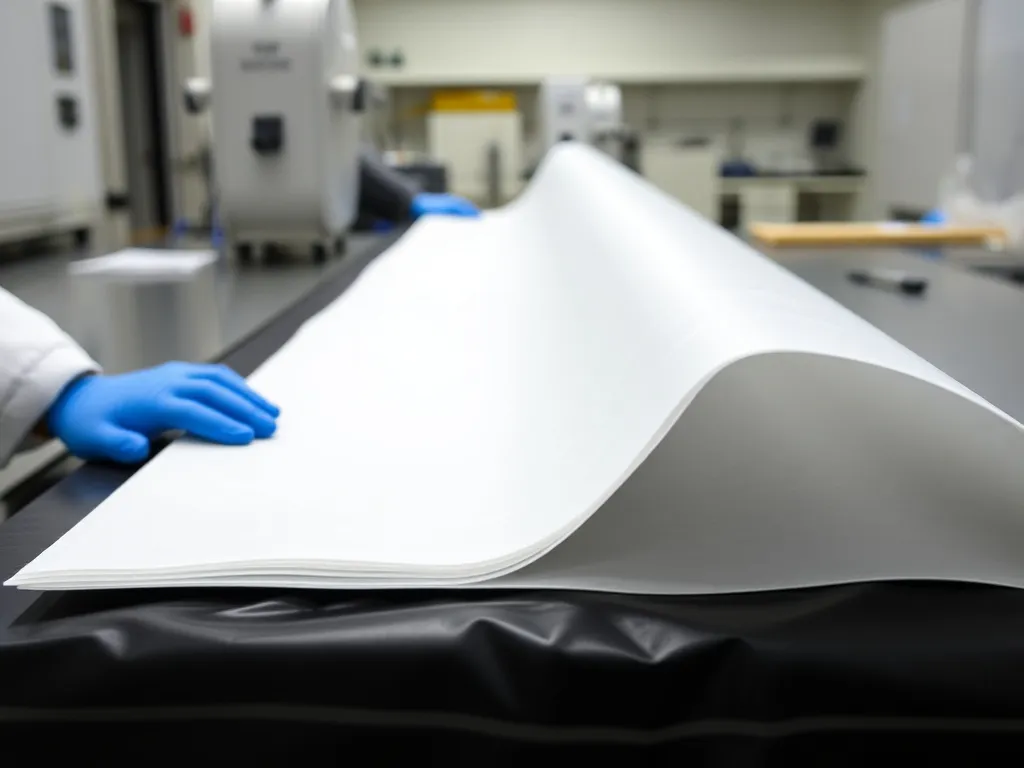
The American Society for Testing and Materials ( ASTM ) provides a complementary set of standards focused on material testing and performance evaluation. For HDPE geomembranes, various ASTM standards detail how to test and measure properties like puncture resistance, static puncture handling, and tear resistance—all essential factors in determining a liner’s suitability for specific applications.
Key ASTM standards relevant to HDPE geomembranes include:
- ASTM D638 – Standard Test Method for Tensile Properties
- ASTM D1004 – Standard Test Method for Initial Tear Resistance
- ASTM D5397 – Environmental Stress Crack Resistance of Polyethylene
These standards are crucial for ensuring that the materials used can withstand the mechanical and environmental stresses they will face. Complying with ASTM standards enhances the performance predictability of HDPE geomembranes, ultimately contributing to safer and more sustainable operations.
In-Depth Analysis: ASTM Tests and Practical Implications
ASTM tests involve a variety of methods to ensure every aspect of material performance is assessed. For instance, tear resistance tests illustrate how well the material performs when partially torn, which is vital for maintaining integrity over its service life. Similarly, environmental stress crack resistance tests measure a geomembrane’s ability to resist chemical deterioration—a key factor in chemical-heavy environments such as agriculture and mining.
Comparing GRI-GM13 and ASTM Requirements
While both sets of standards aim to ensure quality and performance, they approach it from different angles. GRI-GM13 focuses on material manufacturing specifications, while ASTM provides comprehensive testing procedures to evaluate those specifications.
| Aspect | GRI-GM13 | ASTM |
|---|---|---|
| Focus | Manufacturing Specifications | Material Testing and Evaluation |
| Main Use | Quality Assurance during Production | Performance Predictions and Compliance Checks |
| Applications | HDPE Geomembrane Strength, Longevity | Puncture Resistance, Flexibility |
Benefits of Choosing Standards-Compliant HDPE Geomembranes
Choosing HDPE geomembranes that comply with both GRI-GM13 and ASTM standards offers numerous benefits. These include:
- Improved durability, leading to lower maintenance and replacement costs.
- Enhanced environmental protection, which helps maintain compliance with environmental regulations.
- Greater assurance of performance across varied conditions, reducing the risk of project failure.
By investing in standards-compliant materials, businesses not only protect their financial interests but also enhance their reputation as responsible and sustainable operators.
Practical Tips for Buyers
When purchasing HDPE geomembranes, buyers should:
- Verify the manufacturer’s compliance with GRI-GM13 and ASTM standards, and request certifications and testing results.
- Consider the specific requirements of your project environment—e.g., chemical resistance, tear strength—and choose accordingly.
- Engage with reputable suppliers experienced in providing industry-standard materials and with a proven track record of good service.
The Future of Geomembrane Standards
As technology progresses, so too will the standards that govern how we produce and test HDPE geomembranes. The future will likely see enhanced materials performance, lower environmental impacts, and more sophisticated testing methods. Staying informed of these changes will be crucial for decision-makers in sectors relying on geomembranes for operational success.
Looking forward, the industry will continue to prioritize sustainability and innovation, with GRI-GM13 and ASTM standards playing a key role in shaping these trends. Buyers must remain proactive, ensuring the materials used align with the newest and most stringent standards available.
Conclusion
For buyers and stakeholders involved in the acquisition and application of HDPE geomembranes, understanding and applying the insights gained from GRI-GM13 and ASTM standards is essential. These standards not only define the benchmarks of excellence but also ensure accountability and reliability within the industry.
By aligning their purchasing decisions with these standards, stakeholders can ensure that their operations benefit from enhanced protection, sustainability, and cost efficiency. For more information on industry-leading HDPE geomembrane products that meet these standards, visit gpf.ltd .
The road ahead is one of continuous improvement. Buyers who stay ahead of trend shifts and technological advancements in standards will be well positioned to enhance their competitive edge, ensuring safety, sustainability, and success in their various applications.