
What Is HDPE Geomembrane? Uses, Advantages, and Applications
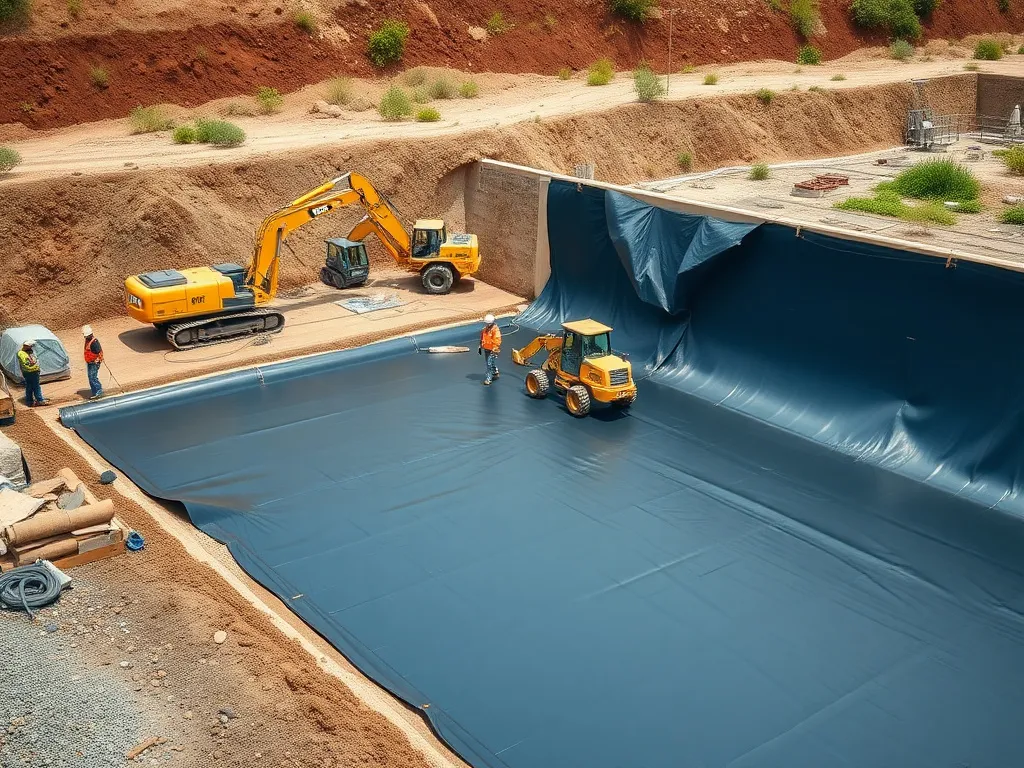
In a time when environmental protection and sustainable growth are priorities, high-performance materials like HDPE geomembranes are essential. These engineered liners isolate liquids, gases, and solids from soil and groundwater, forming the core barrier in modern containment systems. They prevent groundwater contamination, conserve water, and support infrastructure, industry, and agriculture. Selecting the right geomembrane is a strategic choice that cuts risk, aids regulatory compliance, and sustains asset performance. This article explains what HDPE geomembranes are, where they are used, and the advantages they deliver.
Produced by leading companies such as GPF, HDPE geomembranes combine durability, chemical resistance, and reliable installation. Quality control—from resin selection to extrusion and roll inspection—ensures consistent, traceable performance. Rigorous testing and proven welding characteristics simplify construction and long-term maintenance. The sections below outline composition, features, applications, and best-practice considerations.
Understanding HDPE Geomembranes: Composition and Features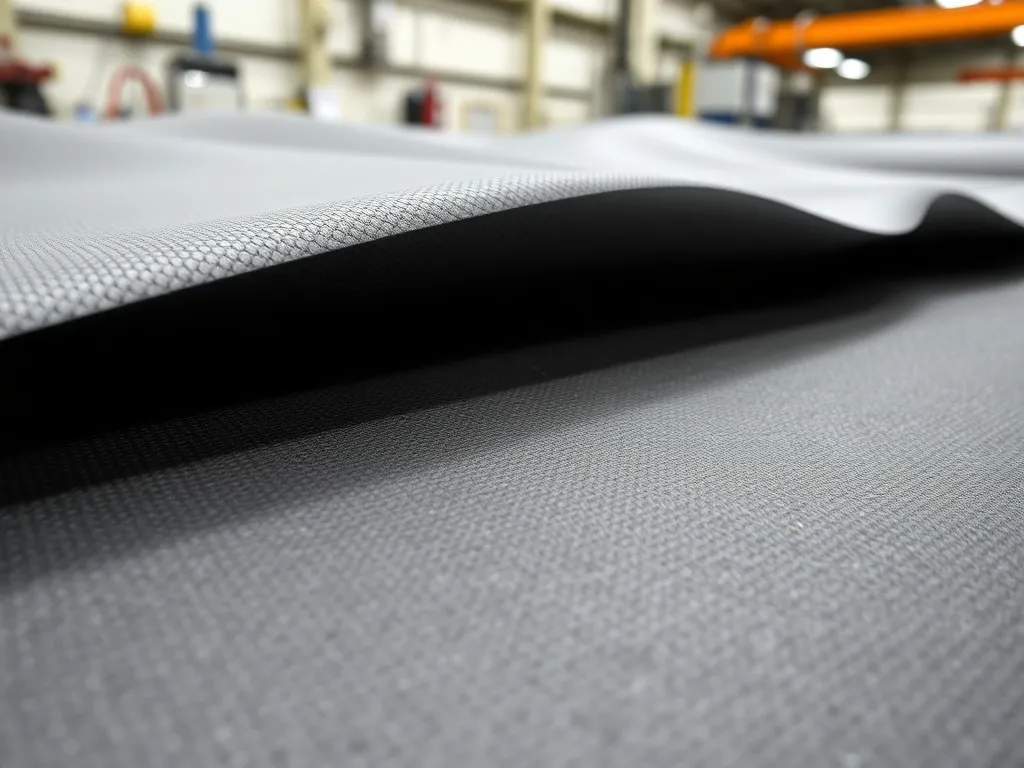
High-Density Polyethylene (HDPE) geomembranes are made by polymerizing ethylene into a high-molecular-weight, dense polymer. Their semicrystalline structure yields low permeability, high tensile strength, and good UV resistance. Additives such as carbon black, antioxidants, and stabilizers improve resistance to sunlight and oxidation, enabling wide temperature tolerance and resistance to thermal cycling, sustained loads, and strain. As a result, liners retain integrity in harsh climates and when exposed to many corrosive chemicals.
Containment projects demand materials that prevent leakage and resist degradation. HDPE geomembranes meet or exceed standards such as GRI-GM13 and GRI-GM17, with predictable puncture, tensile, tear, and stress-crack performance. Equally important is weldability: sheets are joined by hot wedge or extrusion welding to form continuous, watertight seams. When installed by trained crews, seam strength matches or exceeds the parent sheet, enabling large, uniform barriers.
The Importance of Texture and Thickness
GPF supplies smooth and textured HDPE geomembranes to suit site conditions. Texture increases interface friction, improving slope stability—especially in waste containment—and reducing slippage against soils and other geosynthetics. Thickness options, typically 0.75–2.0 mm and heavier for demanding sites, tailor puncture resistance and service life. Double-sided texture is favored on steep embankments and caps; smooth liners maximize hydraulic efficiency. Choosing the right combination balances safety factors, constructability, and cost.
Applications of HDPE Geomembranes Across Industries
The versatility of HDPE geomembranes supports many sectors. Common uses include:
- Mining: HDPE liners contain waste, tailings, and process solutions.
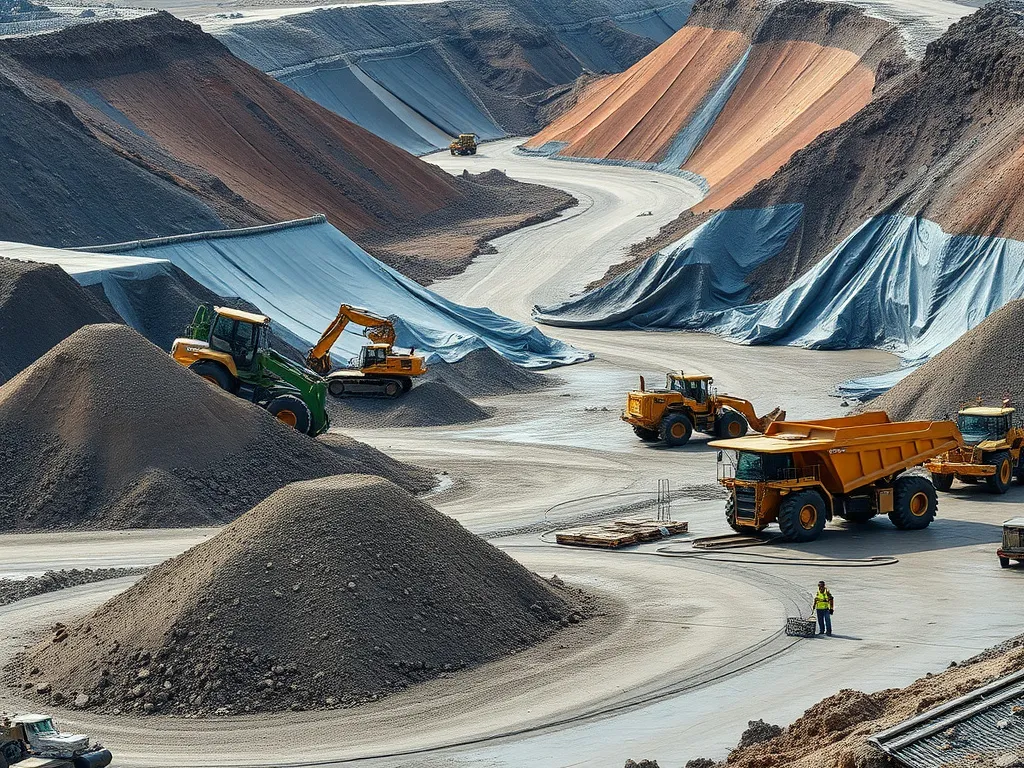 Their chemical and puncture resistance withstand abrasive ores and leachates in heap-leach pads, ponds, and channels. Combined with geotextiles and drainage layers, they speed collection, limit hydraulic head, and promote long service under heavy equipment traffic.
 - Oil and Gas: HDPE serves as a barrier against spills and drilling by-products. It lines well pads, secondary containment around tanks, spill berms, and temporary frac-water storage. Continuous welded panels install quickly, resist fuels, brines, and many additives, and tolerate vehicle loads.
- Agriculture: Farmers line canals, reservoirs, ponds, aquaculture systems, and manure lagoons with HDPE to prevent seepage and protect water quality. UV-stabilized sheets allow exposed installations in sunny climates, while smooth surfaces ease cleaning and limit biofouling in fish and shrimp ponds.
- Construction: Builders use HDPE for waterproofing foundations, slabs, tunnels, and rooftop gardens. It limits moisture ingress, serves as a vapor or gas barrier to control methane or radon, and acts as a root barrier in green roofs—supporting durable, low-maintenance envelopes.
- Landfills: Modern landfills rely on HDPE base and cap liners to contain leachate and protect groundwater. Composite systems pair geomembranes with clay or geosynthetic clay, drainage, and leak-detection layers. Capping reduces infiltration, enables gas collection, and stabilizes soils long after closure.
Advantages of Using HDPE Geomembranes
| Advantage | Description |
|---|---|
| Durability | HDPE geomembranes deliver decades of service, tolerating weather, hazardous exposures, heavy loads, and thermal cycling. Their resistance to puncture, tear, and environmental stress cracking underpins reliability; with sound design, installation, and cover, service lives of 30+ years are common. |
| Chemical Resistance | They resist many acids, salts, and hydrocarbons, making them ideal for hazardous waste, mining, and oil and gas. Broad chemical compatibility limits material degradation and unplanned maintenance. Broad chemical compatibility limits material degradation and unplanned maintenance. |
| Environmental Compliance | Geomembranes help meet regulatory requirements and sustainability goals. Paired with drainage, leak-detection, and monitoring, they demonstrate due diligence, support permits, and reduce the risk of remediation or penalties. |
| Cost-Effective | Long life, low maintenance, efficient field seaming, and large panels lower installation time and risk. Reduced seepage yields operational savings, and life-cycle costs are typically below alternatives needing frequent repair. |
Optimization for Performance
HDPE’s properties reduce environmental impact and improve operations while streamlining installation. Performance depends on sound design and execution: prepare a smooth, compacted subgrade; select suitable texture and thickness; manage thermal expansion and wrinkles; and protect the liner with geotextiles or cover soils. Certified installers, documented welding parameters, and robust QA/QC—non-destructive (air channel, vacuum box) and destructive seam tests—verify integrity. Electrical leak location surveys and ongoing monitoring add assurance through the asset’s life.
Final Thoughts on HDPE Geomembranes
Amid growing emphasis on sustainability, HDPE geomembranes offer practical, reliable containment. They reflect manufacturers’ commitment—exemplified by GPF—to advancing standards while protecting natural resources. Using proven materials, disciplined manufacturing, and field-tested installation, modern systems build resilient infrastructure that withstands climate extremes and safeguards communities.
From conserving water in agriculture to securing waste in landfills, the value of HDPE geomembranes is clear. Continued innovation—such as enhanced textures, conductive layers for integrity surveys, and responsible recycled content—is expanding options. Early collaboration with experienced suppliers and installers refines specifications, streamlines construction, and maximizes performance, turning a regulatory requirement into a durable long-term asset.