

Common Uses of HDPE Geomembranes in Saudi Arabia
Across Saudi Arabia’s industrial landscape, HDPE geomembranes enhance performance, sustainability, and safety. Valued for strength, flexibility, and chemical resistance, they serve sectors from mining to agriculture. Despite extreme heat, high UV, saline groundwater, and abrasive soils, properly specified liners deliver long service life. As a leading producer of HDPE and LLDPE products, GPF supplies solutions tailored to local conditions, offering optimized thicknesses, smooth or textured surfaces for slope stability, conductive options for advanced leak detection, and end-to-end technical support.
Understanding how HDPE geomembranes are deployed across the kingdom highlights their role in national priorities. This article outlines five primary uses aligned with Vision 2030—industrial diversification, water security, and environmental stewardship—so stakeholders can choose systems that optimize performance, cut life-cycle costs, and strengthen compliance.
1. Mining Operations
Saudi Arabia’s growing mining sector depends on HDPE geomembranes for environmental protection and process efficiency.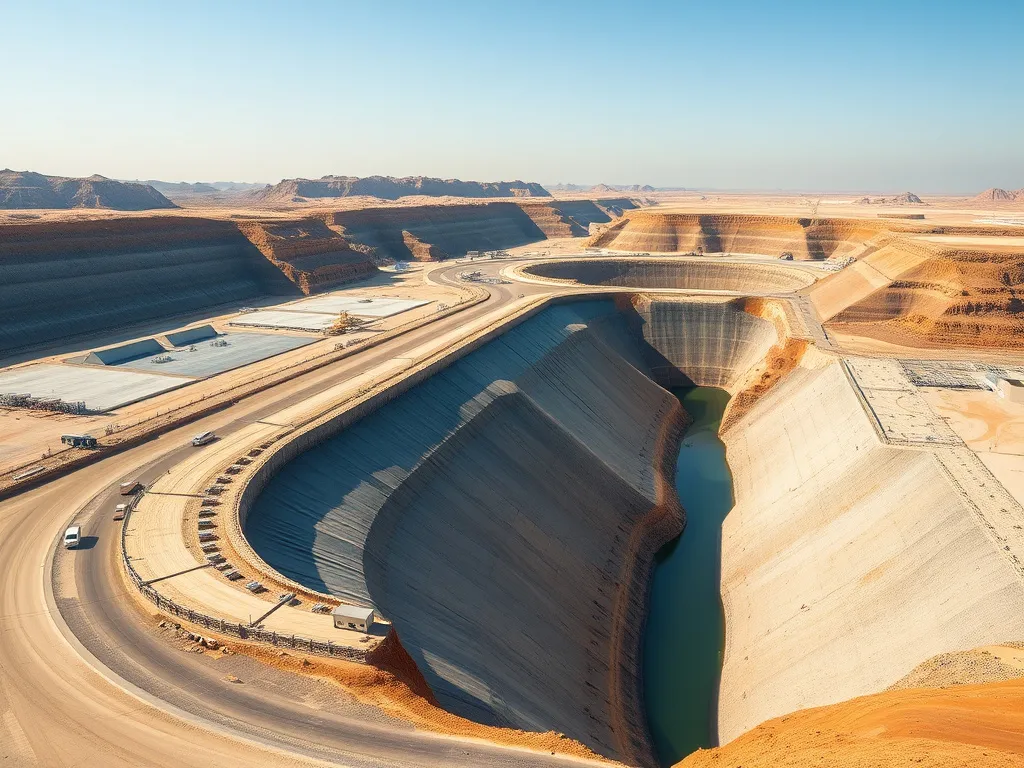 Liners in heap leach pads, tailings dams, and evaporation ponds contain aggressive solutions and waste, preventing contamination and ensuring reliability in large, remote sites handling gold, phosphate, or bauxite.
- Heap Leach Pads: HDPE geomembranes create a robust barrier that contains leaching solutions used to extract precious metals. Textured liners improve stability on slopes, and thermally welded seams—verified by field testing—deliver continuous, leak-free performance across vast pad areas.
- Tailings Dams: Dependable liners, often with drainage layers and geotextile cushions, control seepage and protect groundwater. HDPE withstands high pH or acidic residues, while careful detailing at slopes and outlets accommodates settlement typical of tailings facilities.
- Evaporation Ponds: Liners in brine ponds resist chemical attack and minimize seepage. Protective geotextiles and adequate ballast reduce puncture and wind uplift, and the systems can support salt recovery and controlled crystallization where needed.
By applying high-density liners and rigorous QA/QC, the mining industry aligns with standards such as GRI-GM13, enabling permitting and predictable environmental outcomes. Improved water recirculation and reduced reagent loss also translate to meaningful operational savings.
2. Oil and Gas Industry
As a global energy leader, Saudi Arabia relies on HDPE geomembranes for safe, efficient oil and gas operations.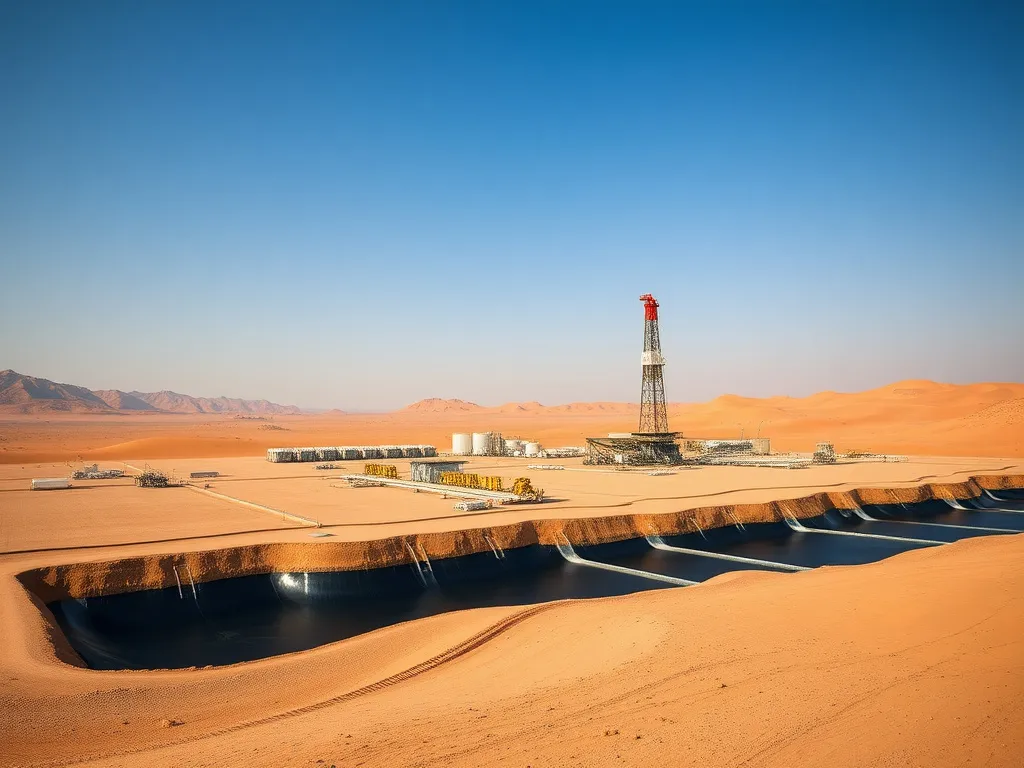 Liners contain drilling fluids and mud pits and protect secondary containment areas, produced-water basins, chemical storage zones, tank farms, and emergency spill lagoons across onshore and coastal sites.
Protecting the Ecosystem
Desert extremes and fragile ecosystems demand liners that handle heat, UV, and wind while safeguarding groundwater. UV-stabilized HDPE performs in full sun, ballast counters uplift, and sound subgrade preparation mitigates puncture risks from angular aggregates.
Resistance to oil, UV, and punctures ensures long-term reliability and regulatory compliance. Broad chemical compatibility reduces degradation, and smooth, cleanable surfaces simplify sludge removal and turnarounds—accelerating maintenance and supporting HSE performance.
3. Construction Projects
In the kingdom’s rapid construction boom, HDPE geomembranes underpin infrastructure by protecting the environment, improving stability, and enabling water retention.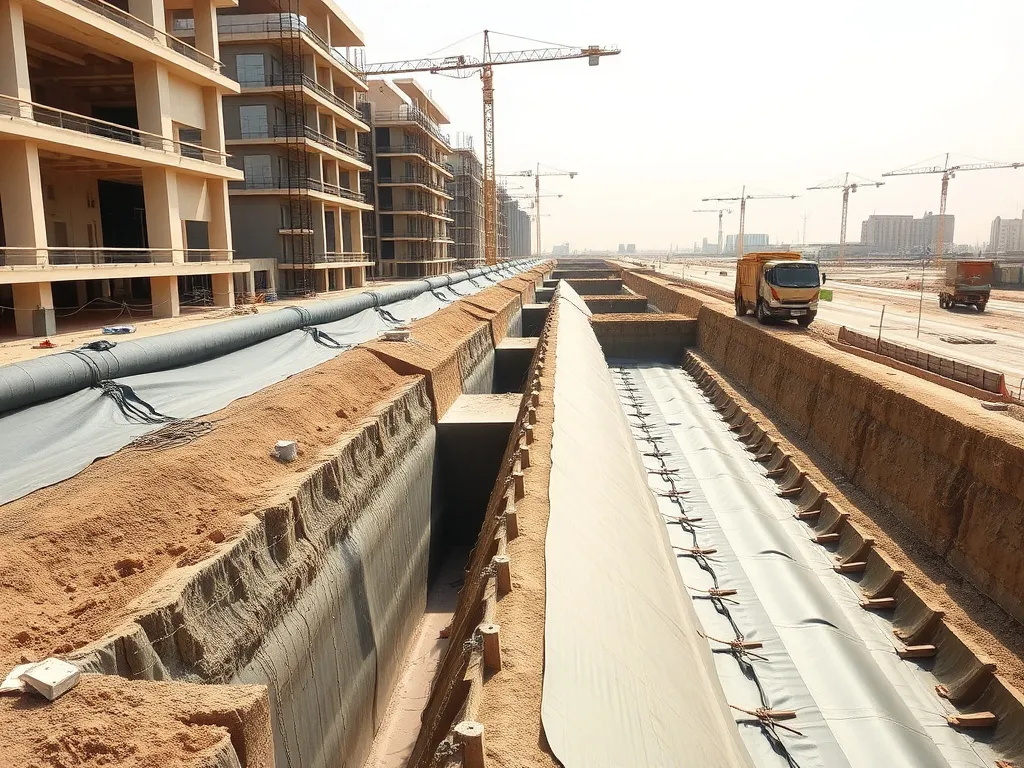 Mega-projects use liners as vapor barriers under slabs, cut-off barriers in difficult soils, and basins for stormwater attenuation that reduce flooding and protect downstream assets.
- Land Development: In retaining structures and landfill linings, HDPE reduces groundwater and soil contamination. On brownfields and refueling sites, liners and caps isolate impacted soils, while textured surfaces increase interface friction on steep embankments and berms.
- Water Retention Systems: Reservoirs and artificial lakes use liners to preserve water quality and reduce seepage. Applications include desalinated water storage, district cooling, and landscape features, where liners limit losses and prevent fines migration that can cloud water or weaken embankments.
The flexibility and durability of HDPE support long service life despite thermal cycling and sand abrasion. Well-designed joints, penetrations, and protective layers, combined with geocomposites for drainage and inspection, streamline construction and maintenance.
4. Agriculture and Aquaculture
Agriculture is evolving in Saudi Arabia, with geomembranes central to modern water management.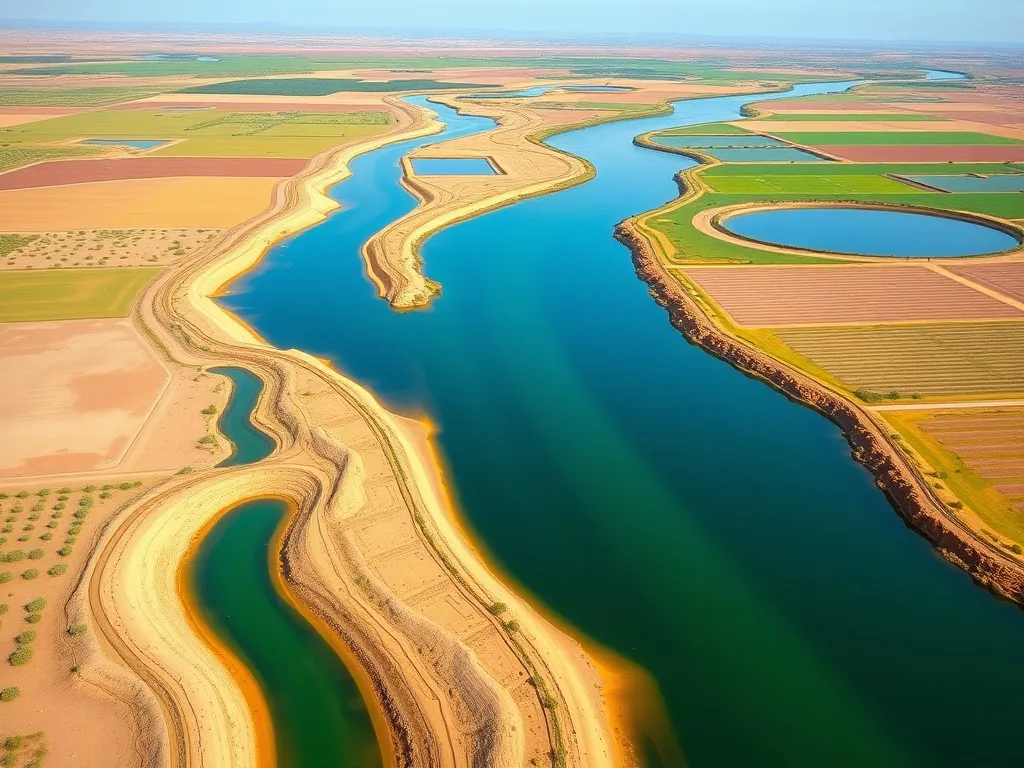 Beyond irrigation, HDPE linings help aquaculture operate efficiently while meeting environmental standards. Lined reservoirs and canals reduce water loss and support reliable distribution to orchards, greenhouses, and field crops.
Irrigation Canals and Reservoirs
Geomembranes limit seepage and reduce evaporation, conserving scarce water resources. Anchored in perimeter trenches and protected with suitable cover, liners stabilize canal sections, suppress weeds, and cut maintenance—often delivering rapid payback through water savings and better crop consistency.
In aquaculture, non-toxic HDPE liners create cleanable, durable ponds that improve breeding conditions and biosecurity. Smooth, inert surfaces ease disinfection, and color choices aid temperature control and visibility during harvests, boosting productivity with fewer chemicals and lower environmental risk.
5. Environmental Protection and Landfills
Geomembranes are fundamental to environmental protection in Saudi Arabia.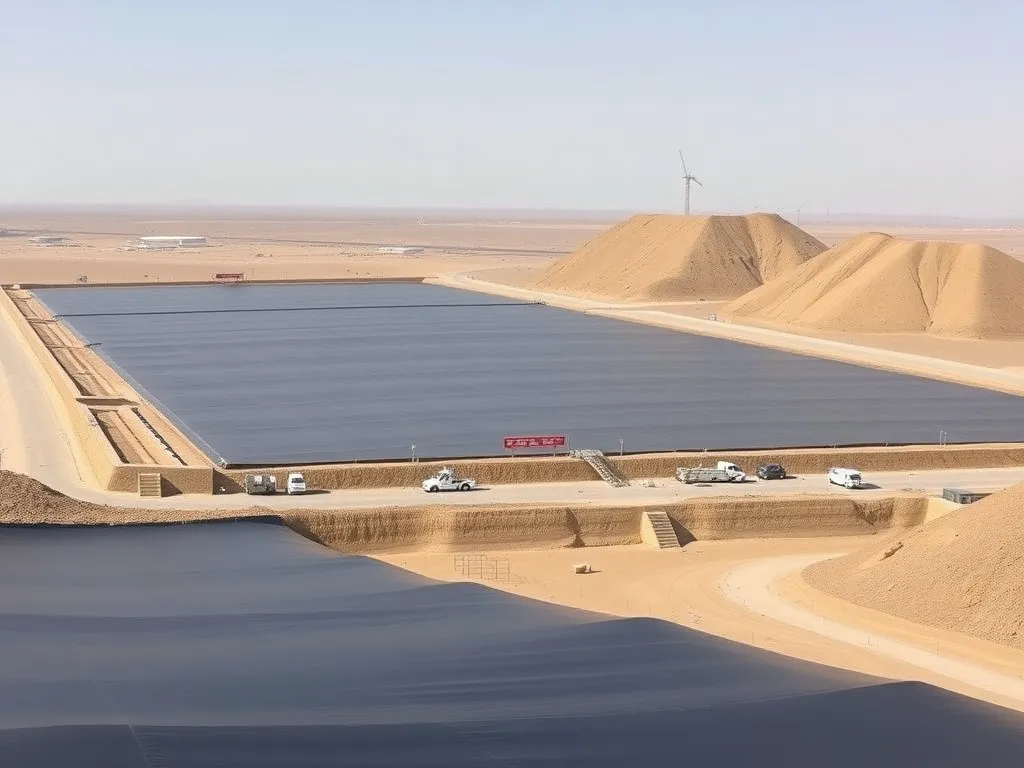 In landfill liners and caps, they stop leachate from entering soil and water. Modern facilities pair HDPE with clay or geosynthetic clay liners, leachate collection, and gas management to contain liquids and capture gas, while final caps limit infiltration, control odors, and support vegetation.
“HDPE geomembranes are the foundation of sustainable waste management, ensuring environments are protected for future generations.”
The materials’ impermeability supports regulatory compliance and the kingdom’s conservation commitments. Beyond municipal waste, liners secure industrial by-products and hazardous residues, preventing contamination at the source and reducing long-term liabilities.
Conclusion
HDPE geomembranes are vital across Saudi industries, from mining to waste management. They enhance safety, protect the environment, and optimize resources—advancing Vision 2030 goals. Selecting the right liner—thickness, surface texture for slopes, and conductive options for spark testing—paired with professional installation, weld testing, and periodic inspections extends service life and lowers total cost of ownership. By engaging experienced partners like GPF early, owners gain material expertise, design support, and site services that streamline delivery, reinforce compliance, and ensure every lined facility performs as intended in the kingdom’s demanding climate.