
Microplastics and PFAS (Per- and Polyfluoroalkyl substances) are increasingly found in the environment, posing significant threats to human health and ecosystems. Modern geomembranes are a crucial part of efforts to minimize these pollutants. By understanding their origins and effects, and the role of high-quality geomembranes, stakeholders across industries can implement more effective containment methods. While downstream treatment technologies evolve, the most dependable intervention is source control—preventing releases at their origin. Properly specified and installed geomembranes create continuous barriers for landfills, ponds, industrial pads, and wastewater assets, turning risk mitigation into predictable, verifiable performance.
Grasping the Danger of Microplastics and PFAS
Microplastics are small plastic fragments less than five millimeters in size that come from sources such as larger plastic debris, textiles, and personal care products. PFAS are man-made chemicals used in many consumer goods for their water- and grease-resistant qualities. Both are known environmental pollutants with harmful health effects and can remain in water, soil, and air for extended periods. Microplastics can be “primary” (manufactured as small particles like microbeads and pellets) or “secondary” (generated by the breakdown of larger items), and include fibers from laundry, tire and road wear particles, and industrial resin pellets. PFAS encompass thousands of compounds, including legacy substances like PFOA and PFOS and newer short-chain replacements, many of which are highly mobile in groundwater and can bioaccumulate in wildlife.

PFAS are highly resistant to breakdown due to strong carbon-fluorine bonds, which is why they are often referred to as “forever chemicals” . Microplastics contribute to ocean pollution and enter food chains, while PFAS contamination is mainly linked to industrial activities, waste management facilities, and firefighting locations. Airports, refineries, and training grounds that historically used aqueous film-forming foams are frequent hot spots, and regulatory limits for certain PFAS now reach the parts-per-trillion range. Microplastics are also detected in rivers, lakes, and even the atmosphere, and conventional treatment systems may not fully capture them, making upstream containment and isolation even more critical.
The Environmental Effect of Poor-Quality Geomembranes
Geomembranes are crucial to environmental protection, particularly for containing hazardous materials. Poor-quality geomembranes, however, may lack sufficient chemical resistance and have higher permeability, allowing pollutants like PFAS to seep into the environment . Inadequate material choice can escalate the spread of microplastics and PFAS, highlighting the need for certified, top-quality geomembrane products. Common failure modes—such as stress cracking from inferior resins, oxidation due to insufficient antioxidants, punctures from angular subgrades, or poorly welded seams—amplify risk. Because PFAS can migrate via diffusion and advection in leachate, liners with robust thickness, low diffusion coefficients, and proven chemical compatibility are essential to maintaining containment over decades.
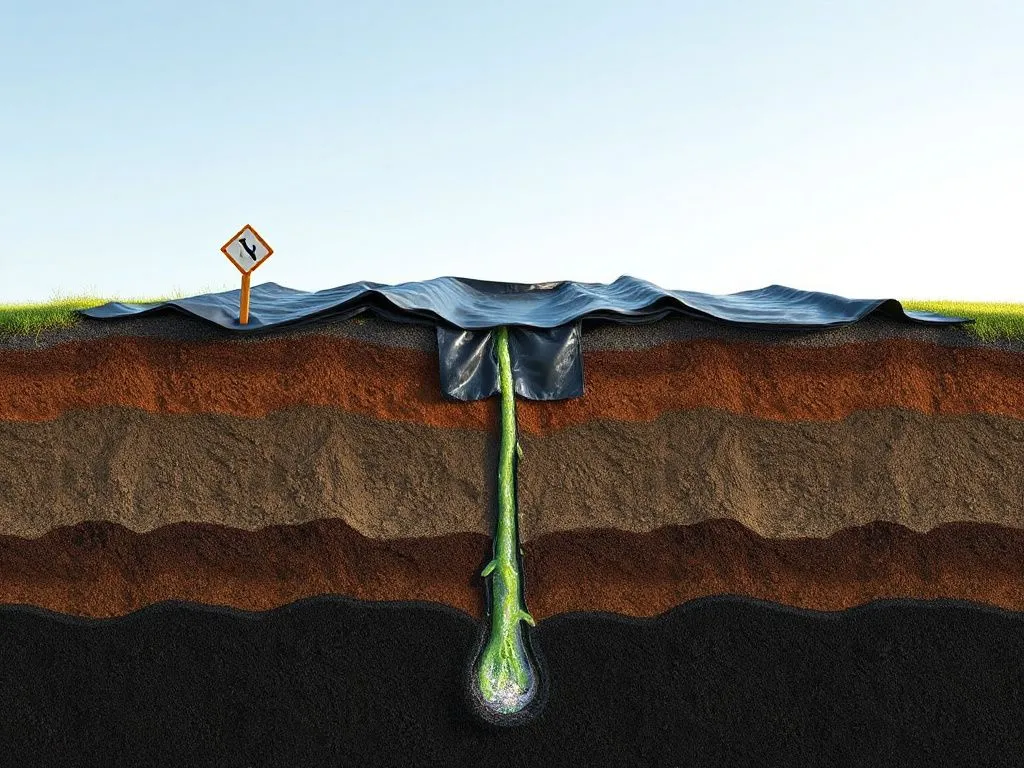
Ineffective geomembranes often have inadequate tensile strength and absorption capacity, reducing their effectiveness in uses such as landfill covers and lining systems. This can lead to contaminant leakage into nearby ecosystems, increasing public health concerns and risking compliance with regulations. Insufficient tear and puncture resistance or poor interface friction can compromise slope stability, and thermal cycling in hot or cold climates can further stress the liner system. Beyond environmental damage, failures drive unplanned shutdowns, costly repairs, and potential legal liabilities that far exceed the cost of specifying a durable, well-tested product at the outset.
Cutting-Edge Solutions in Geomembranes to Prevent Pollution
High-quality geomembranes, such as those made by GPF, use advanced formulas to enhance protection against microplastics and PFAS. These products provide strong resistance to chemical penetration and improved barrier performance needed to safeguard water bodies and soil . Ongoing innovations in geomembrane production focus on material composition to prevent degradation and ensure long-term environmental safety. Modern co-extruded designs can incorporate multiple layers tailored for UV stability, crack resistance, and leak detection, while conductive-backed options enable rapid electric leak location testing. Carefully selected resin grades and antioxidant packages maintain mechanical performance and slow aging, extending service life even under chemically aggressive or high-temperature conditions.
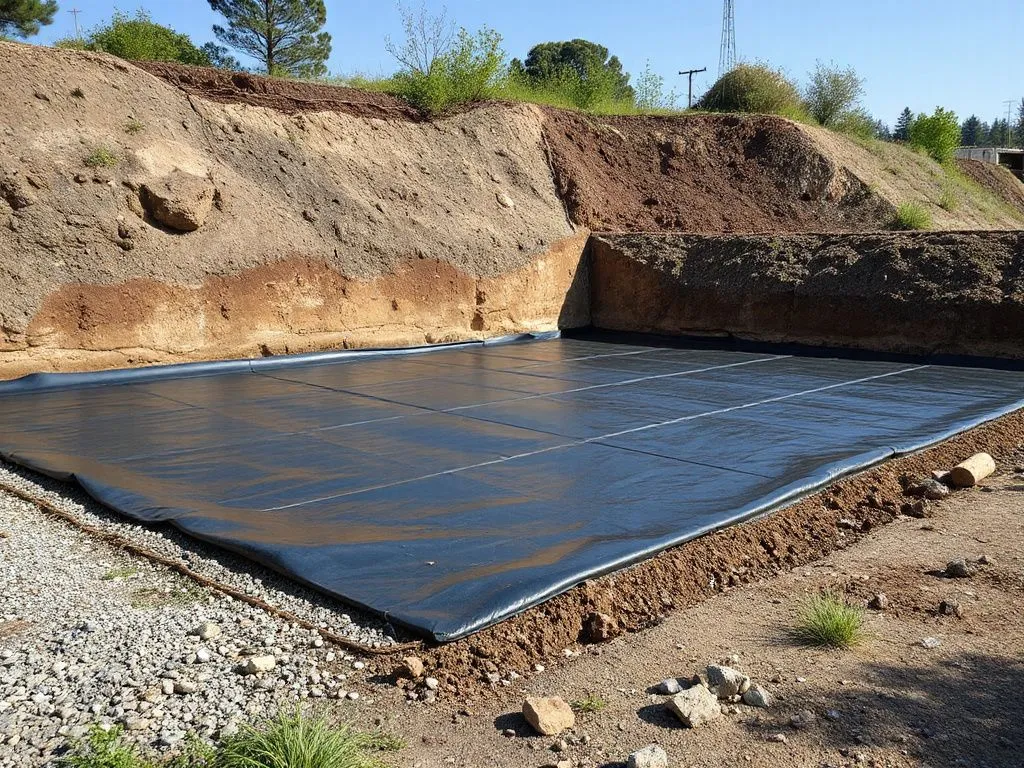
GPF’s geomembranes are designed to meet industry standards like GRI-GM13 and GRI-GM17, with options in various thicknesses and surface textures to suit specific application needs. The use of PFAS-free components also aligns with new environmental regulations, offering an eco-friendly choice for organizations focusing on sustainability. Thicknesses commonly range from 1.0 mm to 3.0 mm, with smooth or textured surfaces to optimize interface shear on steep slopes. Traceable manufacturing, quality documentation, and third-party verification help owners demonstrate compliance, while optional conductive layers support efficient commissioning surveys and future integrity checks.
Case Studies Showcasing Effective Mitigation
Several examples illustrate how advanced geomembranes can mitigate environmental pollutants. A notable case involves a mining operation that used GPF’s HDPE geomembranes for tailings management, successfully preventing PFAS leakage and safeguarding local water supplies . The facility implemented a composite system pairing a geosynthetic clay liner with a 2.0 mm textured HDPE geomembrane, double-track thermal seams, and continuous construction quality assurance. Post-installation electric leak location surveys confirmed liner integrity, and subsequent groundwater monitoring showed declining PFAS trends downstream of the impoundment.
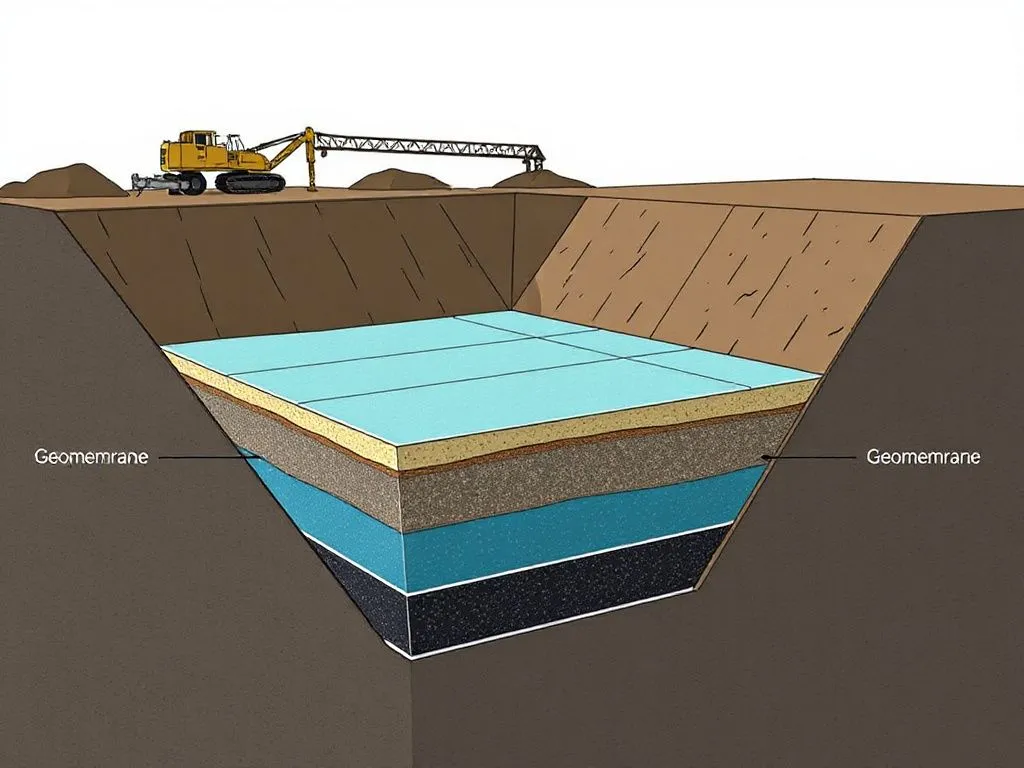
In another instance, a landfill site in the United States implemented LLDPE geomembranes with enhanced stress crack resistance and absorption properties to contain microplastics, leading to a noticeable decrease in plastic pollution in nearby water systems. These case studies emphasize the importance of choosing the right geomembrane liner for the specific environmental challenge at hand. The flexibility of LLDPE accommodated differential settlement and cold-weather installation, while improved interface shear stability enabled steeper side slopes. Operators reported reduced turbidity in stormwater basins and more consistent leachate quality, simplifying treatment and helping the site meet tighter discharge limits.
Technical Insights and Recommended Practices
Technicians and engineers should select geomembranes based on thorough performance testing, including evaluations of chemical resistance, permeability, and tensile strength under varied environmental conditions . Advanced immersion tests can help forecast long-term material behavior, improving liner selection and project planning. Practitioners should also consider stress crack resistance, oxidation induction time, diffusion testing for key contaminants, puncture and tear strength, and interface shear for slope stability. Modeling service life under site temperatures, head on liner, and exposure timeframes provides clarity on margins of safety and whole-of-life performance.
Recommended practices also include proper installation and monitoring systems to detect any potential failures or breaches. Routine checks and maintenance are critical to extending the lifespan of geomembrane systems in sensitive environmental applications. Subgrade preparation, panel layout planning, and qualified thermal seaming are foundational, followed by non-destructive tests like air-channel and vacuum-box checks and destructive peel/shear testing at defined frequencies. Electric leak location surveys during commissioning and after cover placement, combined with regular LCRS flow monitoring and inspections for wrinkles or damage, create a feedback loop that sustains performance.
The Path Forward: Focusing on Quality and Compliance
As awareness and regulations around microplastics and PFAS increase, industries must prioritize high-performance geomembranes. These solutions meet environmental standards and provide the strong protection necessary to safeguard public health and preserve ecosystems. With regulatory thresholds tightening and stakeholder expectations rising, investing in proven liner systems reduces total cost of ownership by avoiding rework and downtime. Designing for resilience—accounting for extreme weather, flooding, and elevated temperatures—ensures containment remains reliable as conditions change.
Manufacturers such as GPF continue to innovate, offering solutions that address current environmental challenges. For stakeholders needing sustainable and reliable containment systems, exploring the offerings of gpf.ltd could provide the comprehensive geomembrane solutions needed for effective environmental protection. Companies and industries are encouraged to reach out for detailed consultations on selecting the appropriate geomembrane solutions tailored to specific needs. Support can include design assistance, installer training, construction quality documentation, leak detection–ready configurations, and pilot deployments that de-risk full-scale rollouts, helping projects move from intent to measurable, defensible outcomes.
Sources
Frequently Asked Questions
What are microplastics and how do they impact the environment?
Microplastics are small plastic fragments under five millimeters, originating from larger debris, textiles, and personal care products. They contribute to ocean pollution, enter food chains, and can remain in the environment for extended periods, posing risks to ecosystems and human health.
What are PFAS and why are they concerning?
PFAS, or Per- and Polyfluoroalkyl substances, are man-made chemicals used for their water- and grease-resistant properties. They are known as ‘forever chemicals’ due to their resistance to breakdown, posing significant environmental and health risks, especially from industrial activities.
How do geomembranes help in combating microplastics and PFAS?
Geomembranes act as barriers to contain hazardous materials, preventing pollutants like microplastics and PFAS from seeping into the environment. High-quality geomembranes are essential for effective containment, as poor-quality options may allow contaminants to escape.
What are the consequences of using poor-quality geomembranes?
Poor-quality geomembranes can lead to contaminant leakage, increasing public health risks and regulatory compliance issues. Common failures include inadequate tensile strength and puncture resistance, resulting in environmental damage and costly repairs.
What advancements are being made in geomembrane technology?
Innovations in geomembrane production focus on enhancing chemical resistance and barrier performance, with features like multi-layer designs for UV stability and crack resistance. New PFAS-free components also align with environmental regulations, offering sustainable options.
Can you provide an example of effective geomembrane use?
One case involved a mining operation using GPF’s HDPE geomembranes for tailings management, which successfully prevented PFAS leakage and protected local water supplies through a composite system that included a geosynthetic clay liner.