
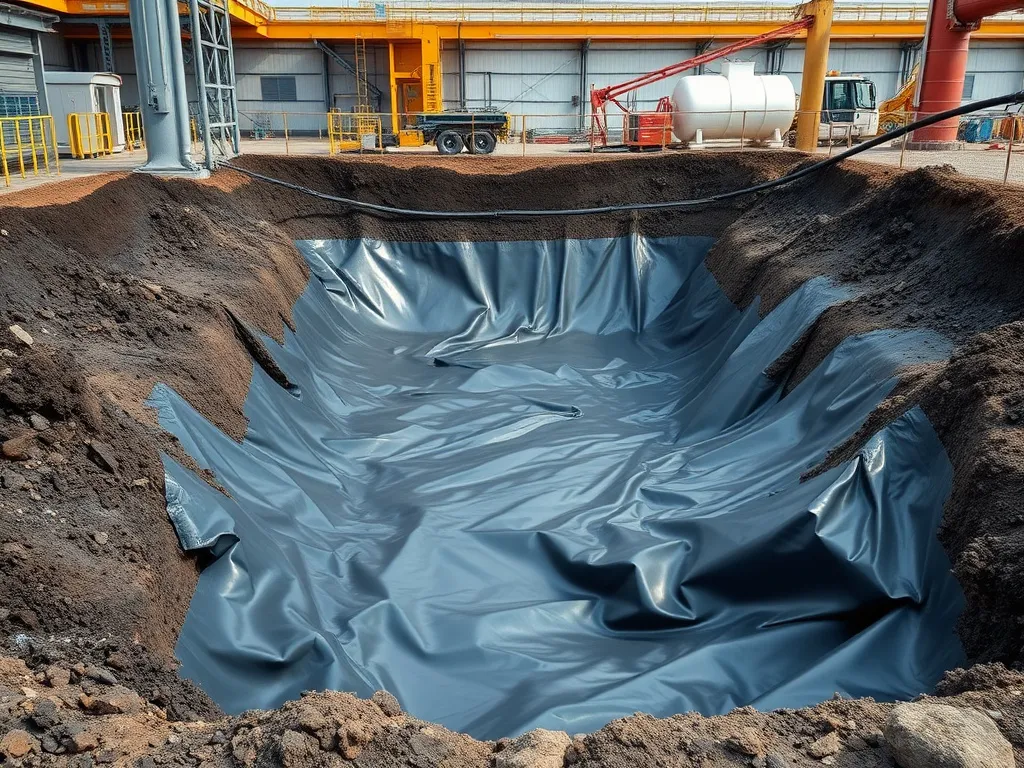
Geomembrane Liners for Oil & Gas Mud Pits: Safeguarding the Environment and Containing Chemicals
The oil and gas industry is a cornerstone of the global economy, supporting numerous sectors. However, it also poses considerable environmental challenges, especially in managing drilling leftovers like mud that may contain dangerous chemicals. Tackling these issues requires sturdy solutions, and geomembrane liners have become a vital element for environmental safety and chemical containment. Drilling muds can include cuttings, salts, hydrocarbons, and additives that, if mismanaged, can migrate into soil and groundwater or be spread by stormwater runoff.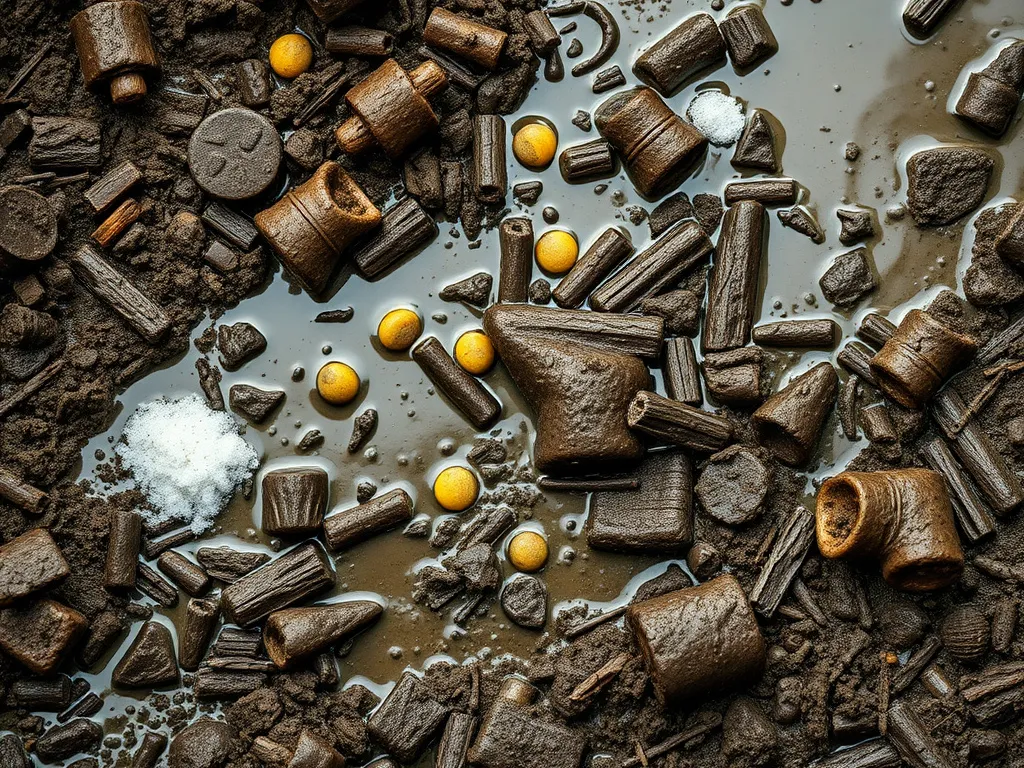 Given that even a single well can generate large volumes of waste fluids, reliable containment is a first line of defense against lasting ecological damage and costly remediation.
Geomembrane liners, particularly those crafted from High-Density Polyethylene (HDPE) and Linear Low-Density Polyethylene (LLDPE), are increasingly utilized in oil and gas mud pits. These materials offer reliable containment, helping to prevent pollution of nearby areas. By exploring the role and advantages of geomembrane liners in this context, industries can enhance operational safety and environmental outcomes. In many projects, liners are paired with geotextile cushions or secondary containment features, and deployed as part of a broader system that includes leachate collection or leak detection layers to provide additional assurance and performance monitoring.
This article will explore the significance of geomembrane liners for oil and gas mud pits, looking at their environmental and chemical containment abilities. We will discuss their integration into industry practices, enforced standards, real-world uses, challenges to avoid, and future possibilities. The aim is to provide thorough insights that emphasize the necessity of these liners in today’s oil and gas environment. Whether you are an operator, regulator, contractor, or community stakeholder, a clear understanding of how liners function and how to implement them effectively supports better decisions and more predictable project outcomes.
Understanding Geomembrane Liners
Geomembrane liners are impermeable membranes widely used for containment and environmental protection.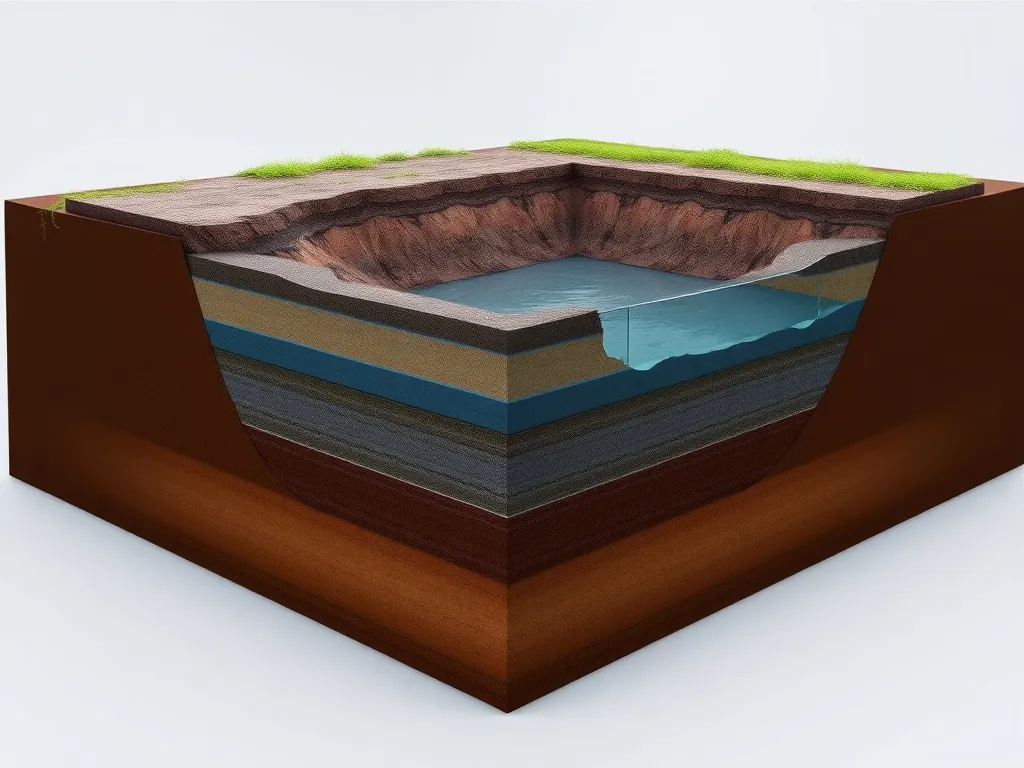 Made from polymers like HDPE and LLDPE, they serve as barriers to liquids or gases. In oil and gas mud pits, these liners prevent pollutants from leaking into soil and groundwater, effectively cutting environmental risk. Liners are manufactured in smooth or textured finishes; textured surfaces enhance interface friction on slopes, helping stabilize cover soils and reduce slippage in wet conditions common to drilling operations.
HDPE geomembranes are known for their durability, high tensile strength, and chemical resistance. They withstand extreme temperatures and resist ultraviolet light, making them suitable for outdoor use. LLDPE geomembranes share many of these features but offer greater flexibility and stretch, allowing them to better adapt to varied surface conditions found in mud pits. This added flexibility improves performance over subgrades with minor irregularities or settlement and can reduce the risk of stress cracking, particularly in colder climates or where thermal cycling is significant.
Geomembrane liners are not just practical—they also adhere to strict industry standards such as GRI-GM13 and GRI-GM17. These standards ensure the materials used exceed basic quality requirements, providing an extra level of confidence for environmental protection. Robust quality assurance/quality control programs typically accompany manufacturing and installation, incorporating resin verification, thickness and density checks, and nondestructive seam testing so the installed system meets the intended design life and performance targets.
Environmental Protection and Geomembrane Liners
The main environmental benefit of geomembrane liners in oil and gas mud pits is their ability to contain hazardous materials. Acting as an impenetrable barrier, they stop contaminants from reaching surrounding ecosystems. By limiting infiltration, liners reduce the formation of contaminant plumes in groundwater and protect nearby surface waters, agricultural lands, and sensitive habitats. This barrier function is especially critical in areas with shallow aquifers or permeable soils where unlined pits could otherwise allow rapid downward migration of pollutants.
Beyond safeguarding the natural environment, geomembrane liners help industries comply with environmental regulations, reducing the risk of legal issues from leaks and spills. The protection they offer enhances the sustainability profile of oil and gas operations and aligns with global trends favoring eco-friendly practices. Operators also benefit from improved social license to operate, more favorable insurance terms linked to demonstrated risk reduction, and fewer operational interruptions stemming from environmental incidents or enforcement actions.
Case Study: Reducing Leaks and Spills
A leading oil company in the Middle East implemented HDPE geomembrane liners in its mud pits to lessen the impact of potential leaks and spills. The outcome was a 50% reduction in reported incidents of soil contamination over three years.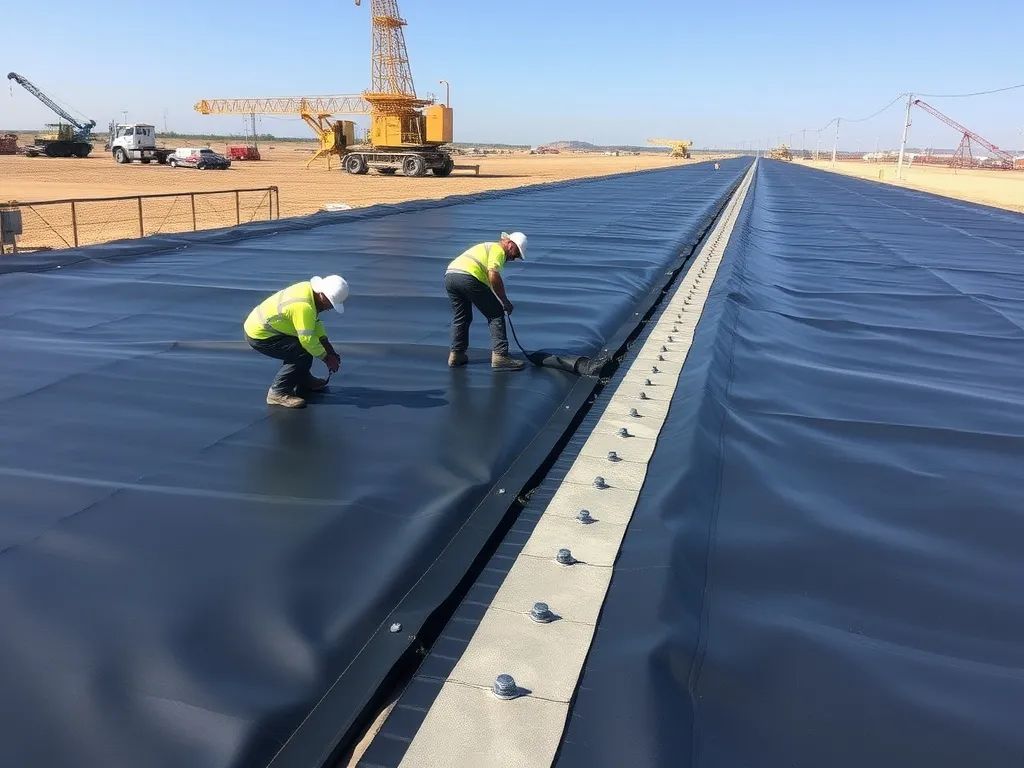 This case underscores the effectiveness of geomembranes in preventing environmental harm. The project used a 60-mil (1.5 mm) textured HDPE liner installed over a prepared subgrade, with an anchor trench around the perimeter and fusion-welded seams verified by air channel testing. Routine inspections after significant storms, combined with a simple leak detection sump, helped maintain system integrity and supported continuous compliance reporting.
Chemical Containment with Geomembrane Liners
Mud pits in oil and gas operations often contain chemicals and heavy metals, necessitating strong containment measures. Geomembrane liners provide excellent chemical containment due to their resistance to a wide range of substances.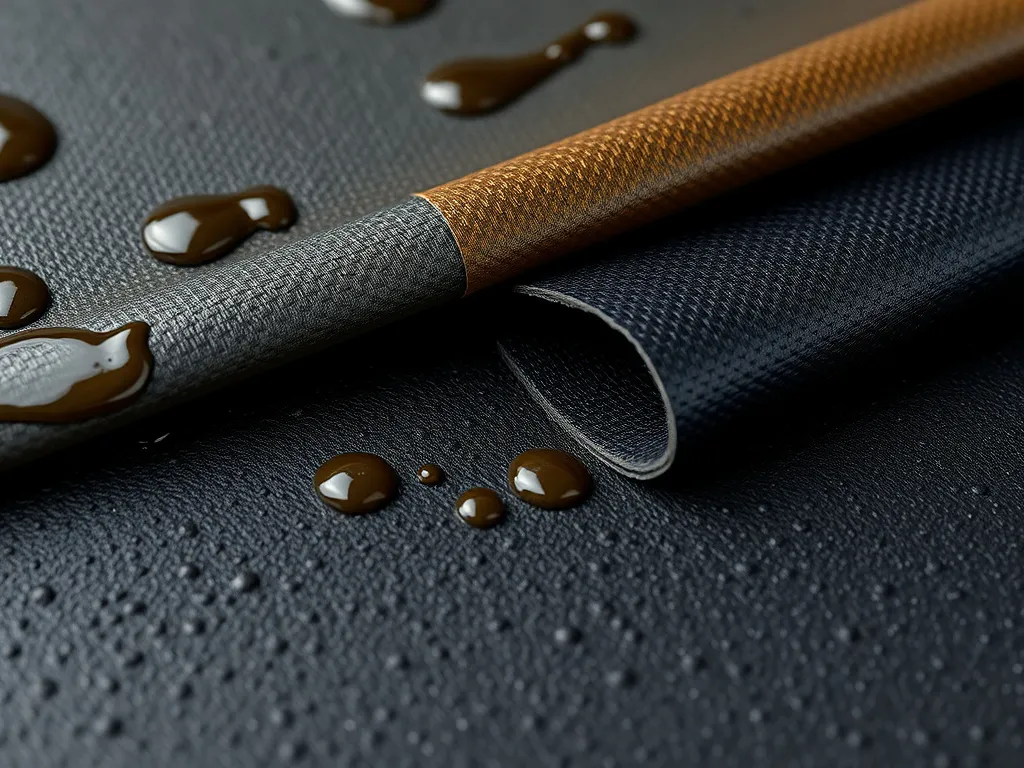 Both HDPE and LLDPE are chemically inert and resist breakdown from oils, wastewater, and byproduct chemicals commonly found in mud pits. Typical constituents include salts and brines, emulsifiers, surfactants, drilling lubricants, barite and bentonite fines, and trace metals. Compatibility assessments and chemical resistance charts guide material selection to ensure the liner maintains properties when exposed to these fluids over time.
Step-by-step Implementation Guide
- Evaluate the specific contaminants expected in the mud pit. Consider concentration ranges, pH, temperature, salinity, and potential for oxidizers or hydrocarbons, and review site history to anticipate atypical additives or waste streams.
- Choose the appropriate geomembrane material (HDPE or LLDPE) based on chemical makeup and physical site conditions. Factor in liner thickness, surface texture for slope stability, and anticipated thermal cycles or settlement that may require added flexibility.
- Design the liner system and use certified professionals for installation to ensure proper coverage and seam integrity. Prepare the subgrade, incorporate anchor trenches, follow documented welding procedures, and verify seams using approved testing methods.
- Conduct regular inspections and maintenance to keep the liner intact and effective over time. After severe weather or high-traffic periods, check for damage, manage vegetation, and apply corrective actions promptly to prevent minor defects from escalating.
This organized approach ensures that mud pits are well-prepared to handle the varied chemical challenges presented in the oil and gas sector. Clear operating procedures, robust documentation, and periodic third-party reviews further strengthen long-term performance and accountability.
Industry Standards and Compliance
Geomembrane liners, particularly in crucial applications like oil and gas mud pits, must meet specific industry standards to ensure safety and effectiveness. Standards such as GRI-GM13 and GRI-GM17 define minimum expectations for physical properties, durability, and chemical resistance. Supplemental test methods, installation guidance, and construction quality assurance protocols help verify that materials and workmanship consistently achieve design intent while aligning with local regulatory requirements and permit conditions.
“Compliance with industry standards not only protects the environment but also safeguards the reputation of businesses operating under strict regulatory watch,” an industry expert explains.
Investing in geomembranes that surpass these standards is a forward-thinking approach, demonstrating a commitment to best practices and environmental responsibility. Transparent reporting, internal audits, and traceable material certifications reinforce confidence among regulators and neighboring communities that containment measures are both robust and well-managed.
Challenges and Solutions in Geomembrane Usage
While geomembrane liners offer significant benefits, integrating them into oil and gas operations can present challenges, including installation complexity, environmental conditions, and cost considerations.
Proper installation requires skilled labor to ensure seam integrity and overall performance. Environmental factors such as temperature changes and ground movement can stress geomembranes, making flexibility and durability essential. Although initial costs may seem high, the long-term savings from preventing environmental damage should be considered in any cost-benefit analysis.
Best Practices for Overcoming Challenges
- Hire certified installation teams with proven experience in geomembrane systems.
- Choose liners with enough flexibility to handle environmental stressors.
- Conduct a thorough cost-benefit analysis that accounts for the long-term financial benefits of environmental protection.
Future Prospects and Technological Advances
The future of geomembrane liners in oil and gas operations is promising, with advances in material science enhancing their performance. Innovations in polymer chemistry are producing more durable, more resistant geomembranes designed to address emerging environmental challenges.
In addition, integrating smart technology into geomembrane systems could transform monitoring and maintenance. Embedded sensors could deliver real-time data on liner integrity and chemical exposure, enabling proactive maintenance and extending service life.
These developments position geomembrane liners not only as a solution for today but also as a vital component of future sustainable oil and gas operations.
Conclusion
In conclusion, geomembrane liners are crucial for managing the environmental impact of oil and gas mud pits. Their strong environmental protection and chemical containment capabilities emphasize their essential role in sustainable industry practices.
By adhering to industry standards and applying strategic best practices, companies can enhance the performance of geomembrane liners and meet the rigorous demands of modern oil and gas operations. With ongoing innovation, these liners will continue to evolve, helping reduce environmental footprints while maintaining operational safety.
For the oil and gas industry, adopting geomembrane liners is not merely an option but a necessity, reflecting a commitment to environmental stewardship and industrial excellence. As these technologies advance, they promise to unlock new potential for sustainable development in energy production.