
The 10 Best High Density Polyethylene Geomembranes List
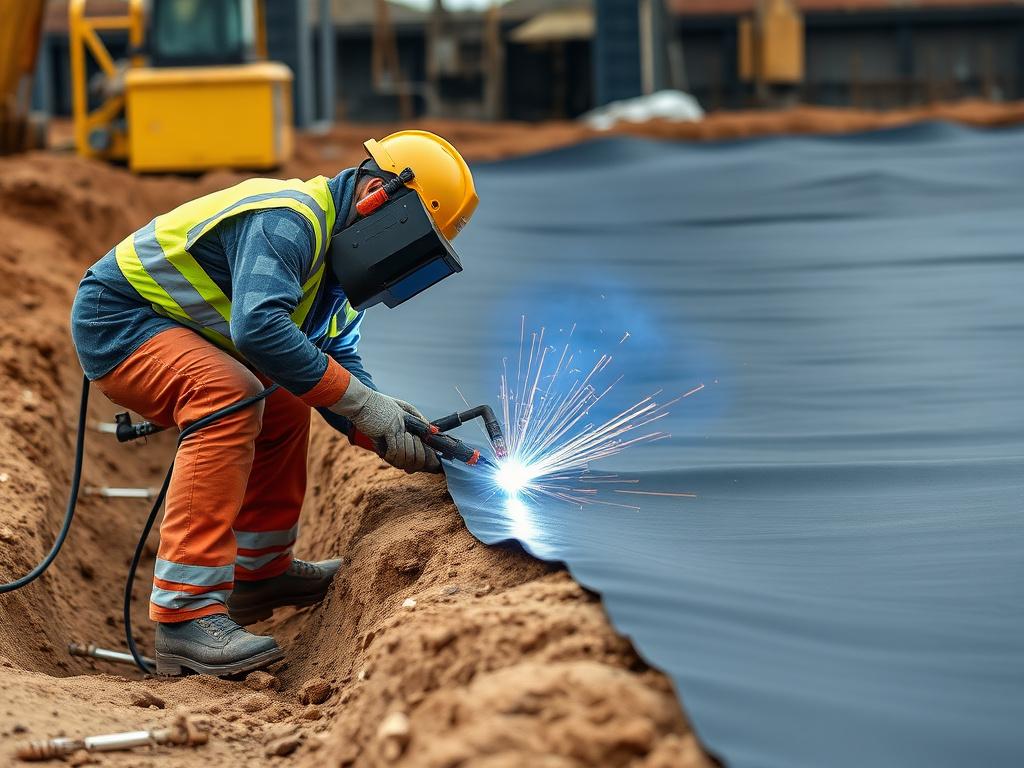
High-Density Polyethylene (HDPE) geomembranes are essential to modern containment and water management. Valued for toughness, impermeability, and UV and chemical resistance, they serve landfills, leach pads, ponds, and secondary containment with long service life. Compared with LLDPE and PVC, HDPE typically delivers greater durability, higher temperature tolerance, and stronger resistance to environmental stress cracking—key for regulatory compliance and low lifecycle risk. Current liners are co-extruded in smooth or textured finishes, carbon‑black stabilized for weathering, and seamed by hot wedge or extrusion welding to form continuous, leak-resistant barriers. Designs often pair HDPE with geotextile cushions, leak-detection layers, and engineered subgrades to protect groundwater for decades. This article profiles 10 leading HDPE geomembranes in 2026, outlining features, uses, and selection tips to help ensure reliable field performance.
1. BPM HDPE Geomembrane Liner
BPM Geosynthetics ranks highly for consistent mechanical performance and field adaptability. Produced from prime HDPE resin, liners span 0.75–3.0 mm and meet ASTM D6693, with puncture resistance up to 960 N. Installers value roll flatness and weldability that speed seaming, while owners see strong lifecycle value across landfills, tailings, canals, and aquaculture. Smooth and textured options address steep slopes, settlement zones, and hydraulic structures needing added interface friction.
- Density: ≥0.940 g/cm³ per GRI‑GM13, providing stiffness, dimensional stability, and broad chemical resistance
- Elongation at Break: ≥700%, absorbing localized stresses at irregular subgrades and penetrations
- Permeability: ≤10⁻¹¹ cm/s, creating an effective hydraulic barrier that complements GCLs or compacted clay
- Certifications: GRI‑GM13, ISO 9001, ISO 14001, supporting consistent quality and environmental management
2. Solmax HDPE Geomembrane
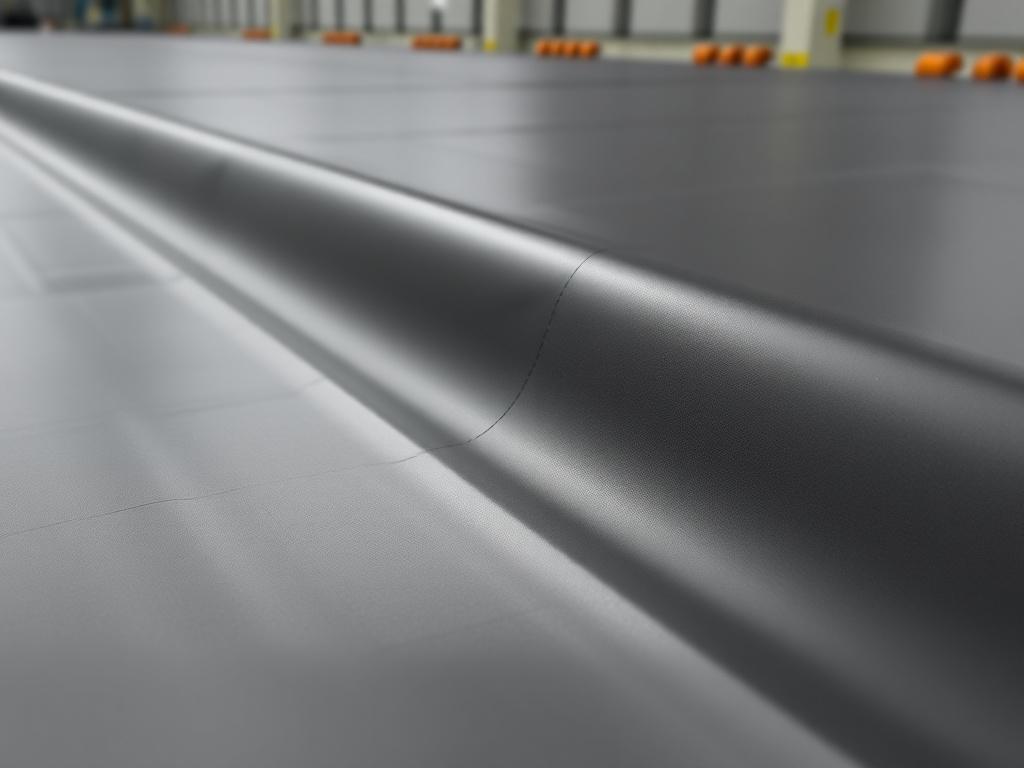
Solmax is a global producer with a comprehensive landfill and mining portfolio. Its HDPE liners offer high tensile strength, strong resistance to stress cracking and UV, and broad certifications. Global manufacturing and installer networks streamline logistics, while textured, white-surfaced (heat management), and conductive-backed variants expand design and QA options.
- Thickness Range: 0.75–3.0 mm, from daily cover replacements to heavy-duty leach pads needing high puncture resistance and friction
- Tensile Yield: 22–44 kN/m, supporting steep-slope and construction loads in heap leach and capping systems
- Certifications: GRI‑GM13, ISO 9001, plus regional approvals for regulatory and CQA needs
Solmax liners suit large projects thanks to engineered roll widths, tight tolerances, and predictable seam quality that cut seam counts and accelerate production.
3. Agru America HDPE Geomembrane
Agru America is known for consistent quality where slope stability and welding reliability are critical. With thicknesses up to 3.0 mm, its textured surfaces deliver uniform asperities for higher friction, while resin traceability and carbon black dispersion support longevity. Common uses include landfill cells and caps, wastewater lagoons, and fuel or chemical secondary containment.
- Tensile Yield: 20–35 kN/m, resisting construction and operational loads while maintaining weldability
- Puncture Resistance: 400–700 N, appropriate beneath geosynthetics or ballast with proper subgrade and geotextile protection
- Certifications: GRI‑GM13; wide rolls aid efficient deployment with fewer transverse seams
4. Titan Environmental HDPE Liner
Titan supplies HDPE liners emphasizing impermeability and chemical resistance for hazardous waste and other critical containment. Integrated services—material supply, prefabrication, and certified welding—reduce risk and shorten schedules. Markets include oil and gas, agriculture, municipal works, and erosion control.
- Thickness Options: Customizable to project demands, balancing cost, puncture strength, and design life
- Key Benefit: Strong stress crack resistance for exposed or thermally cycled conditions
5. GSE (Solmax) HDPE Liner
Now within Solmax, GSE HDPE liners include textured versions that improve stability on slopes and in hydraulic works. Extensive ASTM and GRI compliance makes them a staple across North America and Europe. They are recognized for consistent weld behavior, robust antioxidant packages, and specialized options like conductive liners for arc testing—valuable for rigorous CQA.
- Elongation: 700–900%, accommodating settlement and thermal movement without losing barrier integrity
- OIT HP: ≥400 min, indicating oxidative stability and resistance to aging at elevated temperature and oxygen pressure
6. Layfield HDPE Geomembrane
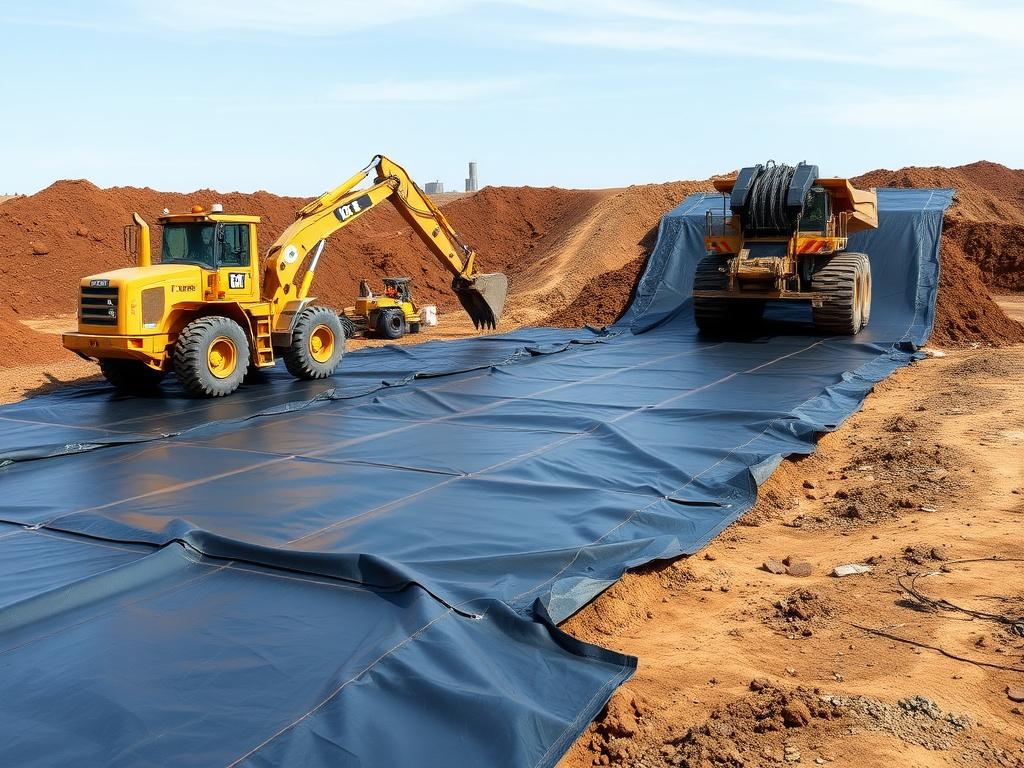
Layfield provides manufacturing, fabrication, and installation as a packaged solution. Enviro Liner products, 0.75–2.5 mm, suit large reservoirs for durability and compliance. Prefabricated panels reduce field seams and speed schedules, especially in remote sites. Support includes design input, testing, and documentation aligned with CQA plans.
- Puncture Resistance: 300–600 N for water containment and light industrial uses when paired with proper subgrade and geotextiles
- Certifications: ISO 9001; meets GRI‑GM13, with options for potable-water specifications where applicable
7. Propex HDPE Liner
Propex liners deliver mechanical resilience and puncture resistance with customizable configurations. The company’s broader geosynthetics expertise (geotextiles, reinforcement) enables system designs that combine HDPE barriers with filtration, separation, and stabilization for roads, stormwater, and mining facilities.
- Thickness Range: Flexible by application, allowing barrier robustness to match loading, subgrade, and exposure
- Contact Surface: Textured options add interface friction for safer steep‑slope deployments
8. NAUE HDPE Geomembrane
Manufactured in Germany, NAUE’s geomembranes align with European standards and use controlled production for durable, efficient liners in wastewater and chemical containment. Smooth and textured options provide reliable welding and predictable interface shear, aided by engineering support and documentation for EN‑guided permitting and CQA.
- Puncture Resistance: 450–800 N, fitting industrial cells and exposed covers within composite systems using cushioning and drainage layers
9. TenCate HDPE Liner
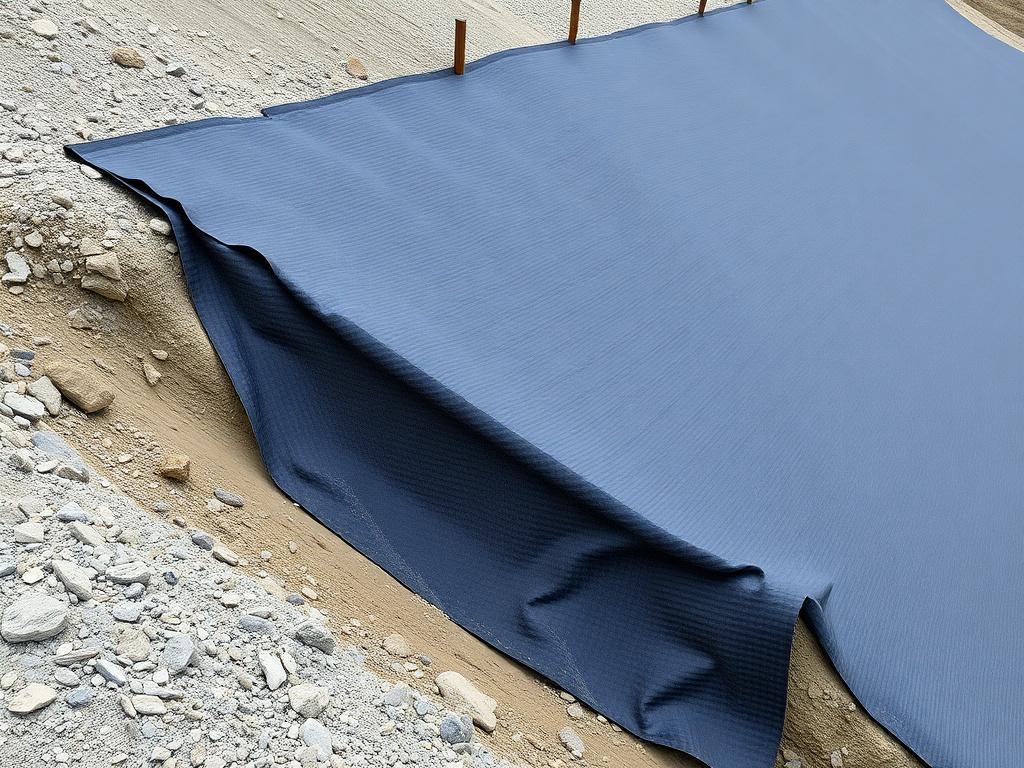
TenCate offers durable HDPE geomembranes for applications demanding chemical resistance. Its experience with geotextiles, geogrids, and geocomposites supports integrated designs where the HDPE barrier interfaces with reinforcement and drainage to control deformation, manage pore pressures, and enhance stability in landfills, process ponds, and secondary containment.
- Thickness Range: Broad selection for heavy‑duty industrial containment or cost‑efficient water projects
10. Huesker HDPE Geomembrane
Huesker’s geomembranes combine versatility and durability with efficient installation. System engineering—pairing liners with geogrids, geotextiles, and drainage composites—drives predictable behavior under load. Typical uses include canal linings, biogas lagoons, and landfill capping, where exposure resistance and consistent weld quality are critical.
- Key Feature: Robust durability, with stabilized formulations and surface options for steep slopes, ballast, and inspection access
Conclusion
The best HDPE geomembrane depends on environment, application, and scope. The 10 options above balance performance, cost, and longevity for diverse uses. When shortlisting, match thickness to subgrade quality and loading; choose smooth or textured based on interface shear; and confirm antioxidant packages and OIT values for exposure and service life. Consider seam density and access—wide rolls and prefabricated panels reduce field welding. Include cushioning geotextiles over rough subgrades, specify leak detection layers and conductive liners when feasible, and define clear CQA protocols (air‑channel, vacuum box, shear/peel, and selective destructs) to verify watertightness before cover placement. Also review chemical compatibility for process fluids, UV stabilization for exposed installs, and thermal control—white or reflective surfaces can limit liner temperature and reduce wrinkling in hot weather.
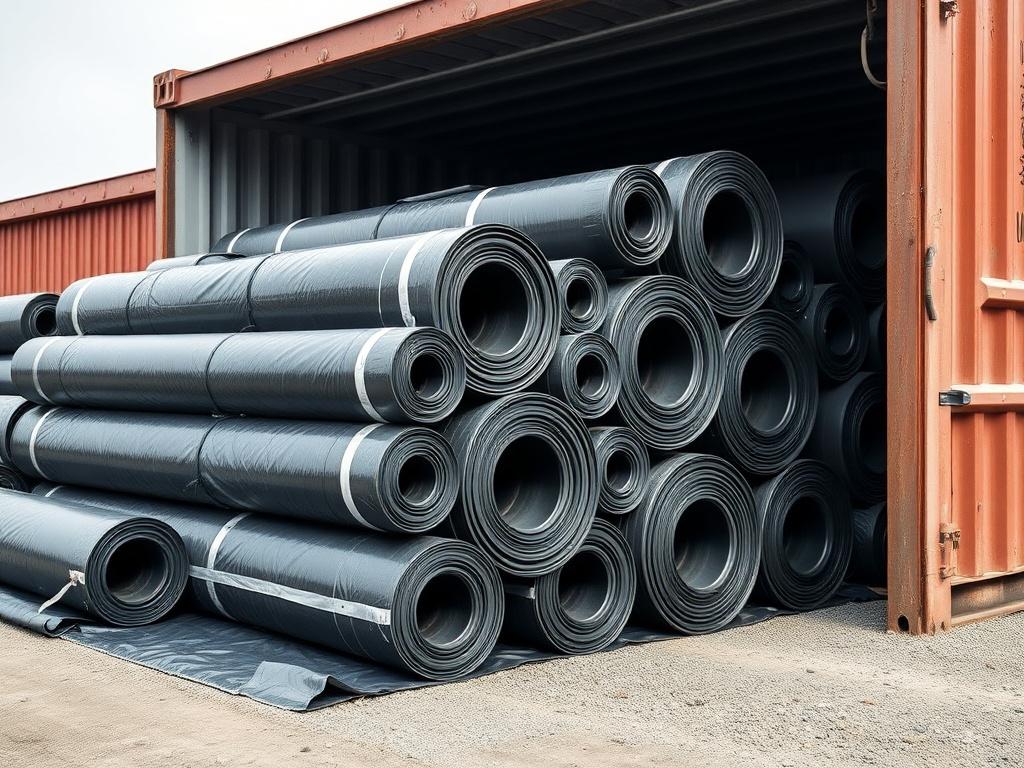
To select the right liner, review product data, consult experts, and confirm compliance with local and international standards. Success also hinges on constructability: schedule seaming during favorable weather, keep welding surfaces clean, and use experienced crews with calibrated equipment and documented qualifications. Store rolls on level ground, protect them from damage and prolonged UV, and repair punctures with approved patches and tests. Consider lifecycle impacts—many suppliers offer environmental product declarations and recycling or take‑back pathways. Aligning material selection, detailing, and rigorous CQA with site demands can deliver decades of reliable barrier performance from the HDPE geomembranes profiled here.