
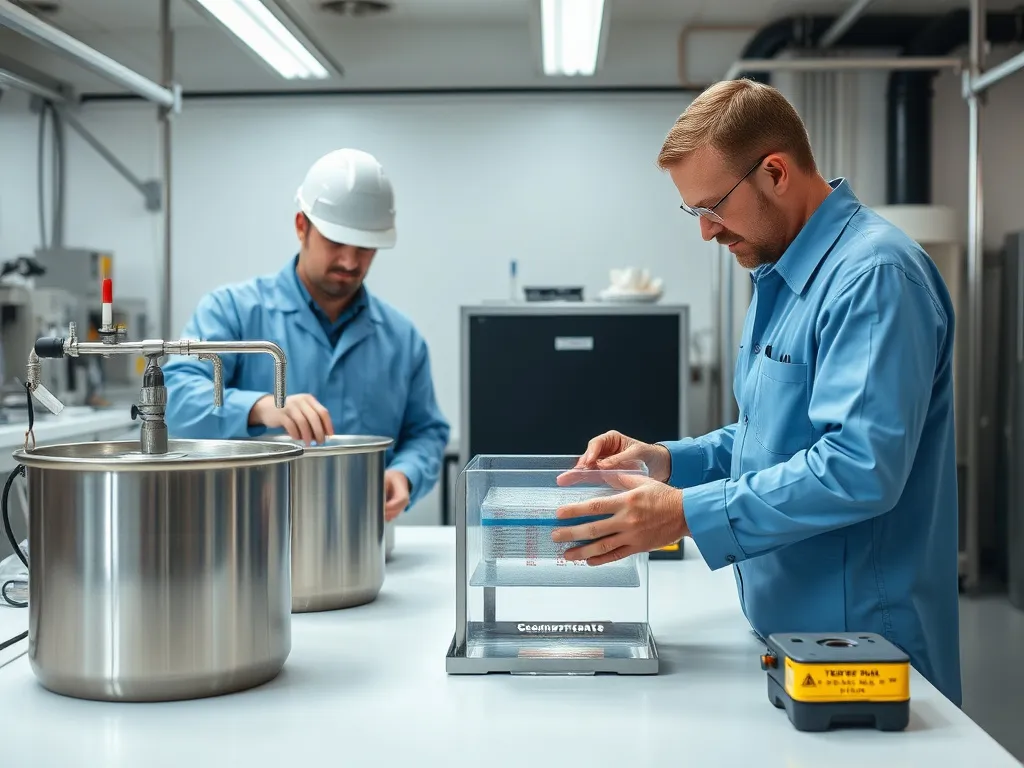
Mastering Immersion Testing for Geomembrane Quality Assurance
In the intricate field of geomembrane applications, guaranteeing product quality is crucial. Among the available techniques, immersion testing is a dependable method to assess a geomembrane’s chemical resistance and performance under real-world conditions. This guide explains how to perform immersion testing, its benefits, and practical uses, offering clear takeaways for professionals strengthening quality programs. As containment systems grow more complex—landfills, leach pads, wastewater lagoons, aquaculture ponds—the cost of chemical incompatibility rises. Immersion testing bridges datasheet properties and field performance by exposing materials to the very solutions they must resist. When designed and interpreted well, it informs resin and thickness selection, reinforcement and antioxidant packages, and even operational practices such as allowable cleaners or pH limits. The sections below provide a practical roadmap that aligns laboratory discipline with on‑site realities so specifiers, installers, and owners can make confident, evidence‑based decisions.
Understanding Immersion Testing: A Step-by-Step Guide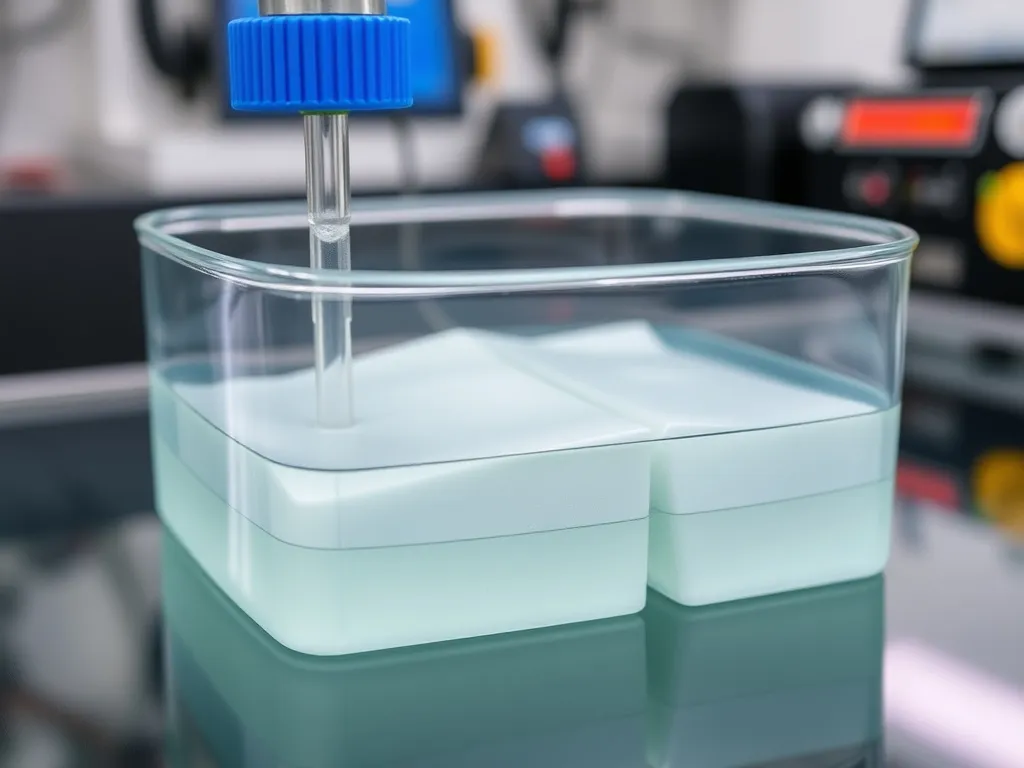
Immersion testing determines how well geomembranes endure chemical environments by submerging samples in a liquid that simulates field conditions. ASTM D5496 outlines a framework for conducting field immersion tests and their role in evaluating chemical resistance astm.org . In practice, define the exposure scenario—chemicals, concentrations, and duration—then carry out controlled conditioning, periodic inspections, and post‑exposure testing. Include baseline characterization, replicate specimens, and unexposed controls kept at the same temperature and time. Document solution‑to‑specimen area ratio, agitation, headspace, and temperature stability, because they drive mass transfer, swelling, and property retention. Tight control of these variables allows comparison across projects and supports service‑life predictions.
Preparatory Steps: Selection and Preparation of Samples
Select samples that reflect the intended application and verify the material’s chemistry and composition with manufacturer data geosyntheticsmagazine.com . Include coupons from parent sheet and production‑quality seams when welded liners are specified, and add field‑aged samples when available. Record batch numbers, resin type (HDPE, LLDPE, fPP), nominal thickness, and any coextruded layers or texture. Cut specimens cleanly to avoid edge defects; measure initial thickness, mass, and dimensions as a baseline. Clean with deionized water or a non‑aggressive solvent, then condition at standard laboratory temperature. For solutions that induce swelling, consider edge sealing or tabs to reduce stress concentrations during later testing. Maintain clear chain‑of‑custody and sample identification so observations tie back to lots and fabrication details.
Conducting the Immersion Test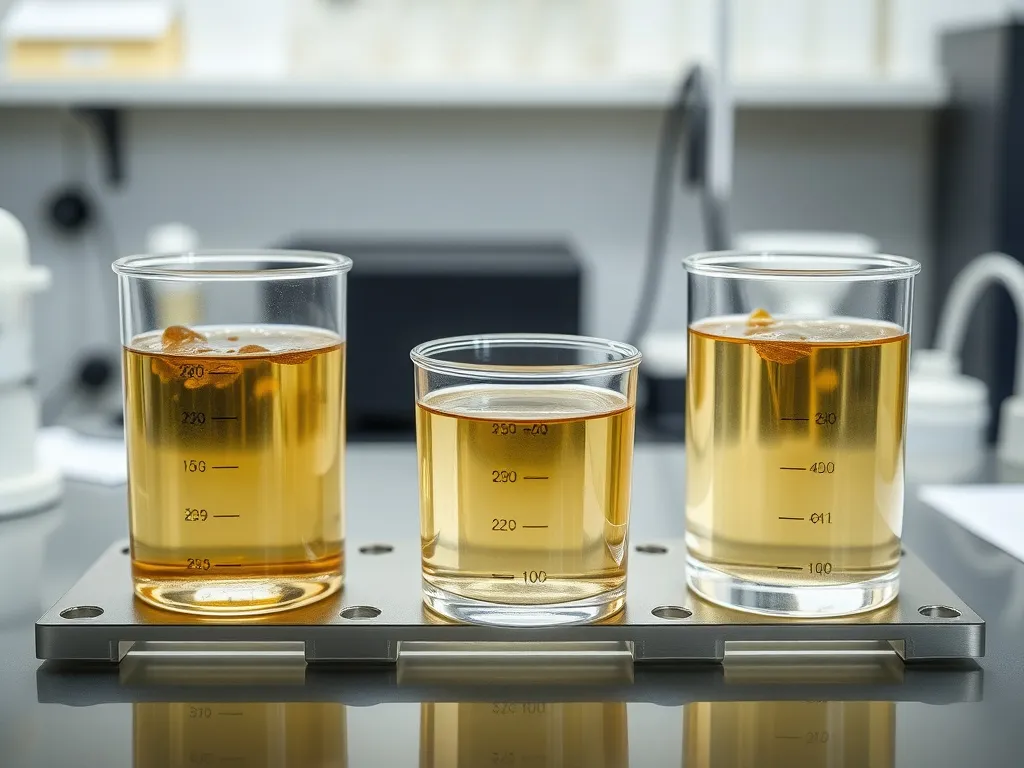
Immerse samples in the chosen chemical and maintain stable temperature and exposure time. The period typically lasts at least 30 days and can extend with chemical complexity or intended use astm.org . Use containers that do not interact with the solution or specimen—glass or suitable stainless steel—and avoid plastics that absorb or leach species. Keep a consistent solution volume to specimen area ratio (often ≥10:1), minimize headspace to reduce volatilization, and gently agitate or mix periodically to limit boundary‑layer effects. Control temperature closely; where acceleration is needed, use elevated temperatures and apply Arrhenius‑type correlations back to service conditions. Plan interim inspections (e.g., 7, 14, 28, 56, 90, 180 days) to track whitening, softening, blistering, or mass change, and replenish solution chemistry as needed. Label vessels clearly, log pH and concentration, implement appropriate PPE, and always retain unexposed controls to separate thermal or time‑dependent aging from chemical effects.
Post-Immersion Analysis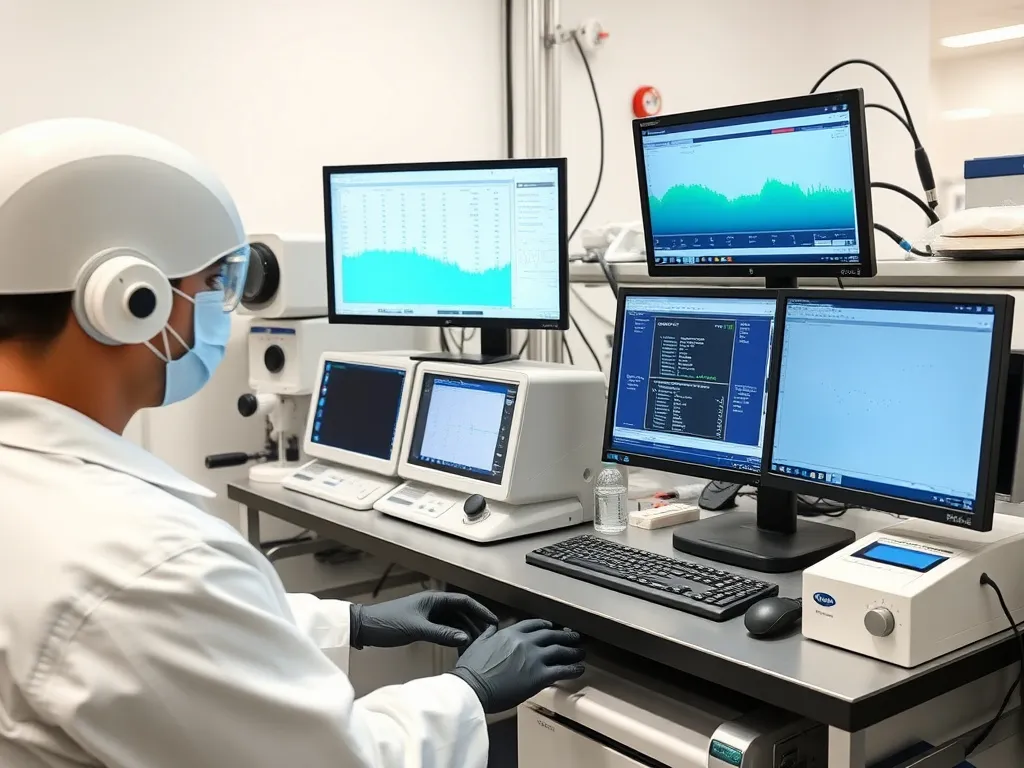
After exposure, remove, rinse, and examine samples. Test mechanical strength, stress crack resistance, oxidative induction time (OIT), and related properties aligned with standards such as GRI‑GM13 hyhdpemembrane.com . Begin with visual documentation—color changes, surface crazing, deposits—then recondition to standard temperature. Tensile and elongation tests quantify strength retention; puncture and tear reveal how swelling or softening affects damage tolerance; environmental stress crack resistance indicates long‑term vulnerability. OIT—standard or high‑pressure—signals antioxidant depletion, crucial when oxidants or elevated temperatures are involved. Complementary tools such as DSC for crystallinity and spectroscopy for chemical changes help diagnose mechanisms. Acceptance criteria are commonly set as minimum percent retention of key properties relative to controls, with thresholds based on risk and regulation. Plotting retention versus time supports extrapolation and highlights inflection points that warrant operational mitigation.
Advantages of Immersion Testing in Geomembrane Performance
Immersion testing is cost‑effective compared with full‑scale pilots yet specific enough to screen materials and formulations against actual or worst‑case mixtures. Results translate directly into design specifications and procurement language, reducing ambiguity during bidding and construction. The method is adaptable—from rapid screening to long‑duration studies that bracket service life—using the same core framework scaled to project needs.
Realistic Simulation of Environmental Conditions
Immersion testing replicates the chemical exposure conditions geomembranes face in use, showing how materials respond to chemical contact, temperature, and incidental mechanical effects sciencedirect.com . Site‑specific solutions—landfill leachate, mine liquors, disinfectant‑laden water—capture synergistic effects that single‑chemical tests miss. Temperature control simulates diurnal or seasonal swings and warm degradation zones. While immersion alone does not include UV or high tensile strains, pairing with weathering or creep tests builds a complete exposure envelope. The outcome is a realistic, bounded picture of risk.
Comprehensive Data Collection
Immersion testing yields chemical permeation, diffusion, and solubility data that guide durable designs sciencedirect.com . Combined with mechanical retention and antioxidant trends, it clarifies how fast chemicals enter, how strongly they interact with the polymer, and how that translates to changes in stiffness, toughness, or stress crack resistance. Designers can adjust resin, stabilizer package, thickness, and barrier or sacrificial layers. Operators can set evidence‑based limits—e.g., disinfectant concentration or pH—rather than relying on broad assumptions.
Improved Risk Mitigation
Knowing exposure limits and compatibility enables choices that reduce liner failure and environmental risk. In‑situ monitoring with test coupons further strengthens oversight excelplas.com . Teams can create compatibility matrices and decision trees that trigger responses—dilution, chemical substitution, or temporary bypass—before compromise occurs. Immersion data support contingency plans, define inspection intervals for leak detection systems, and provide a defensible basis for regulators and stakeholders, cutting outages and remediation costs over a facility’s life.
Case Studies: Real-World Applications and Results
Immersion testing has proven valuable across sectors. The examples below show how testing informs specification, construction, and operations. Though chemistries and constraints differ—from municipal waste to fish farming to metal extraction—the workflow is consistent: define exposure, test against it, then adjust materials and practices. This repeatable pattern enables continuous improvement and knowledge transfer.
Application in Waste Containment Facilities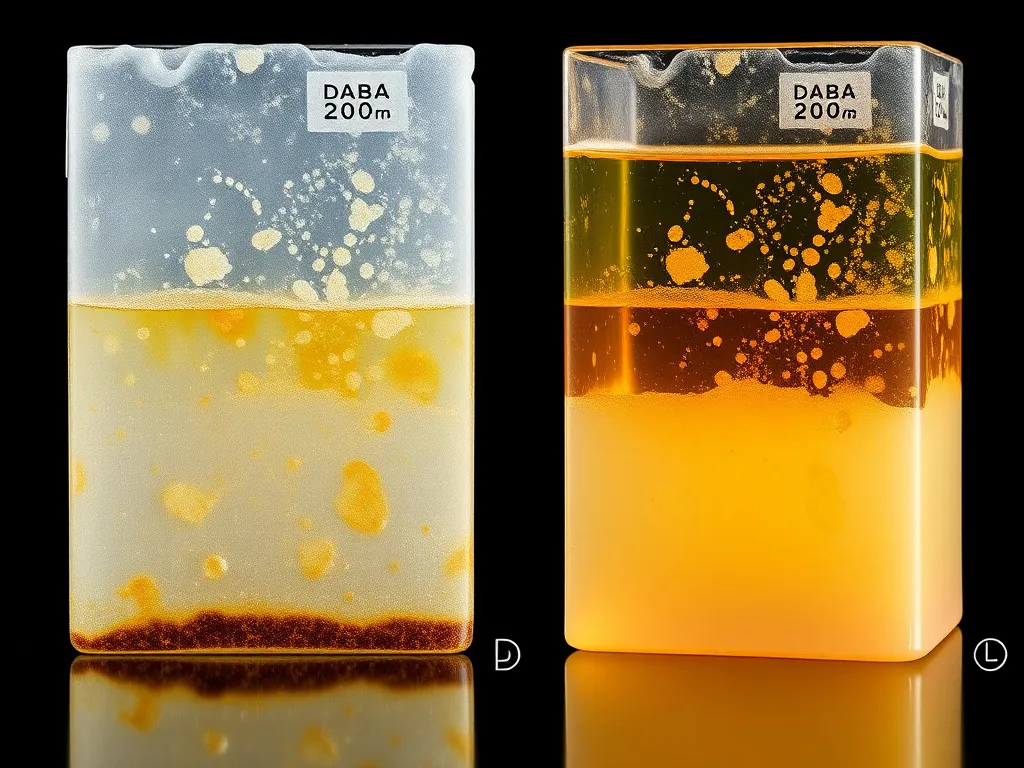
In hazardous waste storage, geomembranes encounter organic solvents. Immersion testing evaluates chemical resistance of HDPE and other membranes, with strong correlations reported between ASTM F739 permeation and immersion results sciencedirect.com . Typical leachates include VOCs, phenols, ammonia, fatty acids, and salts, often at elevated temperature. In one project, HDPE, LLDPE, and flexible polypropylene coupons were immersed in site leachate at 40 °C and 60 °C. HDPE showed modest mass uptake and strong tensile retention at 40 °C, but greater swelling and reduced puncture resistance at 60 °C in the presence of aromatics. The owner specified a thicker HDPE primary liner, a secondary containment layer, and an upgraded leachate collection system to limit contact time. Where solvent inventories were highest, an alternative resin with improved aromatic resistance was considered. Aligning design choices with quantified compatibility reduced uncertainty and streamlined approvals.
Performance Monitoring in Aquaculture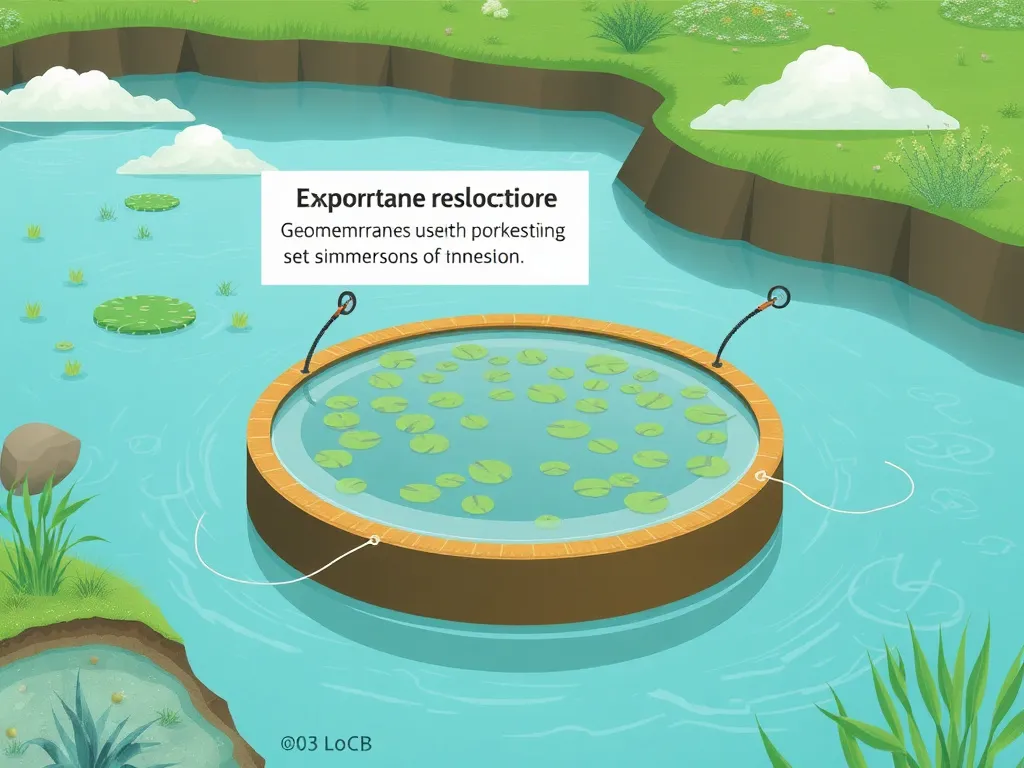
Aquaculture geomembranes must withstand disinfectants, biofouling, nutrient loads, and mechanical handling. Immersion testing paired with test coupons supports proactive performance monitoring excelplas.com . In a coastal hatchery, candidate membranes were immersed in brackish water spiked with routine cleaning agents. Periodic coupon retrieval and OIT testing showed one disinfectant accelerated antioxidant depletion at elevated summer temperatures, even as short‑term tensile remained acceptable. Switching to a more compatible disinfectant and adjusting cleaning protocols preserved liner durability without compromising biosecurity. A monthly coupon inspection routine provided early warning of chemistry shifts and fostered a preventive maintenance culture.
Geomembrane Longevity in Mining Operations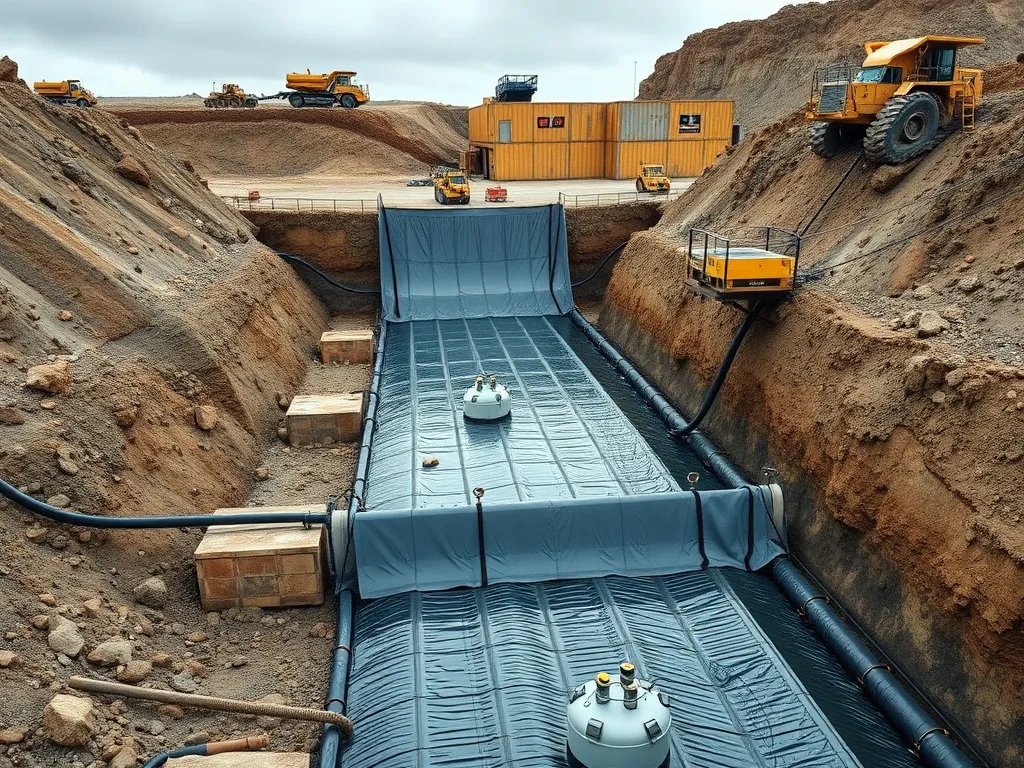
Mining exposes geomembranes to harsh chemistries and mechanical loads. Immersion testing supplies essential data on OIT and stress crack resistance, informing safer, longer‑lasting liners hyhdpemembrane.com . Heap leach facilities may circulate cyanide solutions at high pH; tailings ponds can hold acidic liquors with dissolved metals and oxidants. In a comparative study at 50 °C, HDPE showed strong chemical resistance but a measurable OIT decline, signaling antioxidant consumption; LLDPE maintained ductility under strain cycles but needed protection against potential softening. The results led to a hybrid design: textured HDPE for the primary barrier and traffic resistance, cushioning geotextiles, and tighter control of solution chemistry to slow oxidation. Coupling immersion data with ESCR testing balanced chemical durability with mechanical demands from operations and thermal cycling.
Conclusion: Implementing Immersion Testing for Enhanced Geomembrane Quality
Immersion testing is a vital tool for geomembrane quality assurance. By simulating real exposures and generating actionable data, it supports decisions that protect product integrity and the environment. To implement, define the exposure envelope, select representative materials and seams, set acceptance criteria, and document every step—from baselines to post‑immersion analyses. Use unexposed controls to isolate chemical effects, plan interim inspections to capture early changes, and interpret results in the context of both chemistry and mechanics. Translate findings into specifications, operating limits, and monitoring plans, and maintain a living compatibility database as processes evolve. Integrated with broader management systems, immersion testing becomes a practical risk‑management practice that consistently delivers resilient containment solutions.
For more information on geomembrane products and solutions, visit GPF Ltd. . Their team can help define immersion protocols, select candidate materials for your chemical environment, and interpret results relative to performance standards and regulatory requirements. Whether you are evaluating HDPE, LLDPE, or flexible polypropylene, or seeking guidance on antioxidants and liner thickness, collaborative testing and expert review will shorten decision cycles and increase confidence in the final design.