
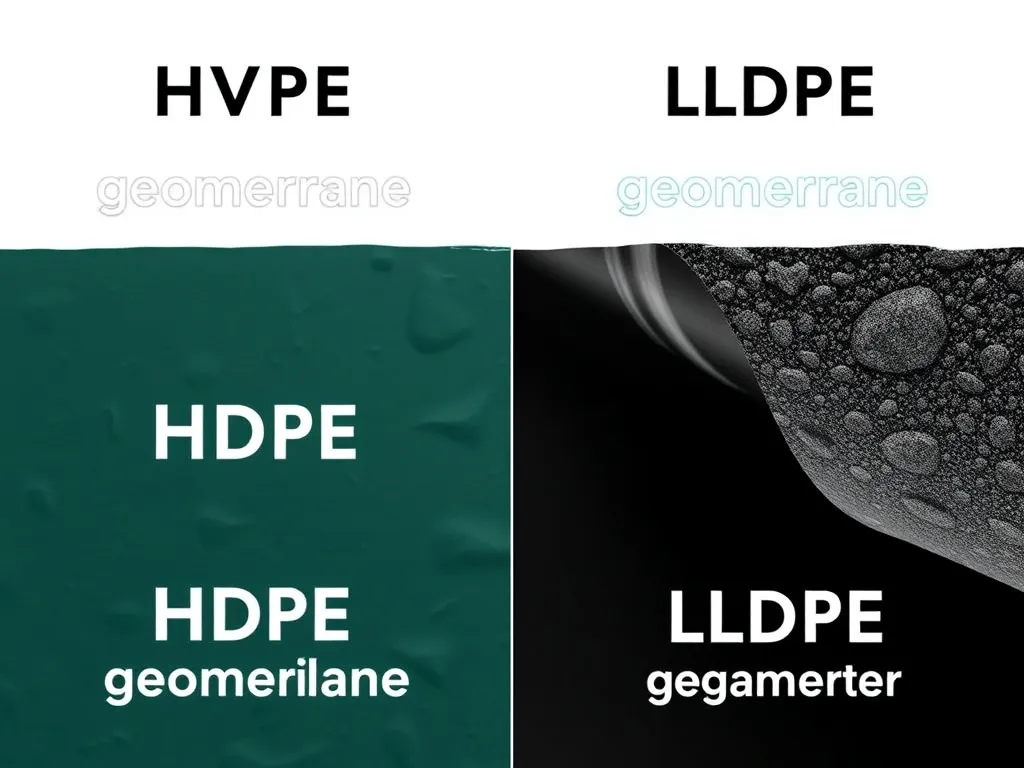
HDPE vs LLDPE Geomembrane: Which Liner Is Best for Your Project?
Picking the right geomembrane liner is crucial. High-Density Polyethylene (HDPE) and Linear Low-Density Polyethylene (LLDPE)
 each come with unique benefits, and understanding their differences can determine the success of environmental management in sectors like mining, agriculture, and construction.
Geomembranes are vital in many industrial settings, acting as barriers that control fluid movement in engineered systems. They are appreciated for their high tensile strength, durability, chemical resistance, and environmental safety. HDPE and LLDPE are two of the most widely used polymer liners for their flexibility and reliability. This article looks into the features, applications, and benefits of HDPE and LLDPE geomembranes to help you make an informed choice for your next project.
We will explore six sections: material properties, application scenarios, environmental implications, cost considerations, installation and maintenance, and industry-specific case studies. A concluding section ties the insights together and outlines practical steps for project managers and engineers.
Material Properties of HDPE and LLDPE Geomembranes
The choice between HDPE and LLDPE largely depends on their material traits. Knowing these characteristics is key to matching a geomembrane to your application.
High-Density Polyethylene (HDPE)
HDPE is a petroleum-based thermoplastic polymer. It is known for its high strength-to-density ratio, superb chemical resistance, and durability, making it ideal for applications that need a strong barrier under tough conditions.
- Density: Typically ranges from 0.941 g/cm³, providing substantial stiffness and strength.
- Tensile Strength: High tensile strength allows HDPE geomembranes to endure significant stress and strain.
- UV Resistance: Excellent resistance to ultraviolet degradation, making it suitable for exposed conditions.
- Flexibility: Despite its rigidity, HDPE can be somewhat flexible, adjusting to varied terrain.
Linear Low-Density Polyethylene (LLDPE)
LLDPE is another polyethylene variant, created by copolymerizing ethylene with other alpha-olefins. It balances flexibility and strength, making it a favored choice when a more pliable liner is needed.
- Density: Ranges from 0.915 to 0.925 g/cm³, indicating a lighter and more flexible material.
- Puncture Resistance: Its elasticity allows it to absorb impacts better than HDPE, offering superior puncture resistance.
- Adaptability: LLDPE geomembranes easily conform to subgrade irregularities, improving coverage.
- Temperature Tolerance: Performs well across a wide temperature range, maintaining structural integrity in diverse climates.
Applications and Suitability
The features of HDPE and LLDPE determine where they work best. The right choice depends on project needs and environmental conditions.
HDPE Geomembranes
With high chemical resistance and strong mechanical performance, HDPE is often chosen for sites with frequent exposure to harsh chemicals and challenging conditions. Common uses include:
- Landfills: Acts as a secure barrier to contain leachate and prevent contamination of nearby soil and groundwater.
- Mining Operations: Suitable for tailings ponds and heap leach pads due to its durability against aggressive chemical environments.
- Environmental Protection
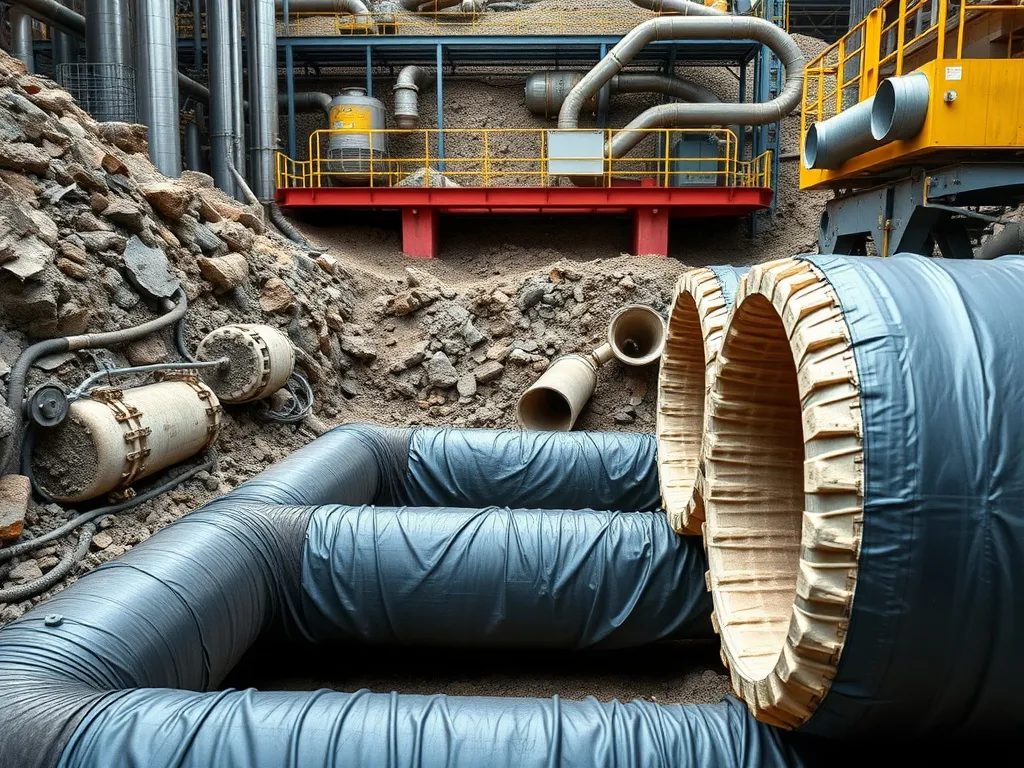 : Ideal for containment of hazardous waste due to its impermeability and resistance to chemical corrosion.
LLDPE Geomembranes
LLDPE’s flexibility and puncture resistance favor projects where the liner must adapt to uneven terrain. It is frequently chosen for:
- Agriculture:
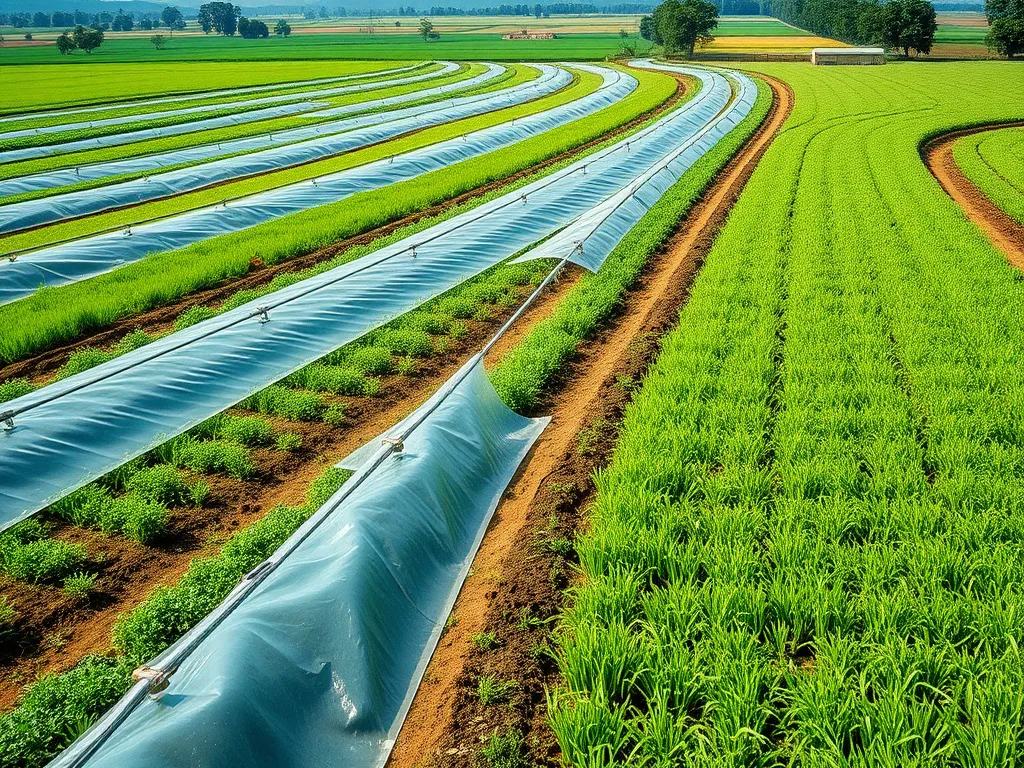 Lining canals and agricultural ponds where flexibility and conformity are crucial for effective water management.
 - Aquaculture: Facilitates the creation of ponds with natural contours, reducing stress on aquatic life.
- Sports Fields: Used as moisture barriers to prevent groundwater interference in artificial turf installations.
Environmental Considerations
As environmental priorities grow, selecting a geomembrane increasingly considers impacts during production, use, and end of life.
Sustainability Factors
Both HDPE and LLDPE are recyclable, which helps reduce lifecycle impacts. HDPE, with its denser structure, often provides a longer service life, limiting the need for frequent replacement. In contrast, LLDPE’s environmental impact is influenced by a production process that can be more energy-intensive.
Cost Implications
Budget is often a key factor. While pricing for both HDPE and LLDPE depends on factors like thickness and added features, material characteristics can significantly influence total project cost.
Cost Analysis
| Aspect | HDPE | LLDPE |
|---|---|---|
| Initial Cost | Typically higher due to thicker material | Generally lower owing to thinner, flexible design |
| Installation Costs | Higher due to heavier and less flexible material | Lower as a result of material flexibility and ease of deployment |
| Maintenance | Low given high durability and long-lasting performance | Higher need for periodic checks |
Installation and Maintenance
Proper installation is essential to get the best performance from any geomembrane. The points below are key for HDPE and LLDPE.
HDPE Installation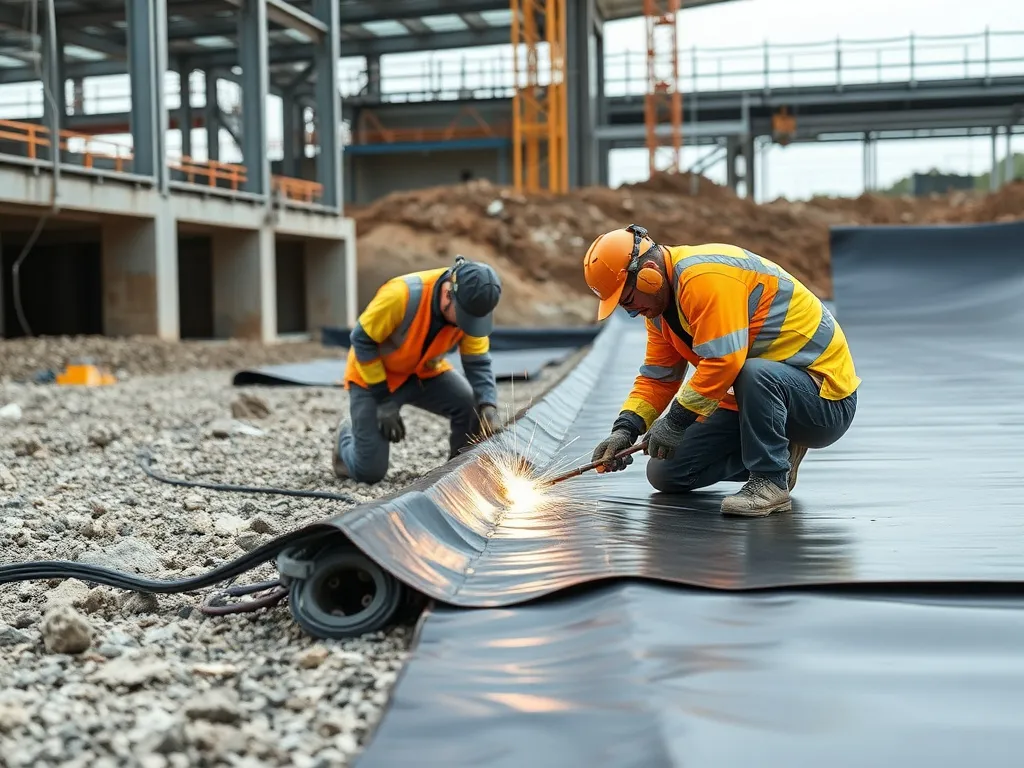
Because of its stiffness, HDPE geomembranes require specialized techniques. Welding must be performed by skilled technicians to achieve a reliable seal, which is vital for chemical resistance and leak prevention.
LLDPE Maintenance
LLDPE’s flexibility typically makes installation less labor-intensive and may require fewer crews. Ongoing maintenance includes regular checks to catch any punctures or tears early and preserve long-term integrity.
Key Industry Case Studies
To see how these materials perform in practice, consider the following real-world examples.
Case Study 1: Mining in Saudi Arabia
“The harsh conditions of Saudi Arabia’s extensive mineral extraction operations demand materials that can endure constant exposure to chemicals and extreme weather.”
HDPE geomembranes have been successfully used in these settings, showing their ability to maintain performance over long periods and reducing environmental risks associated with mining.
Case Study 2: Agricultural Water Conservation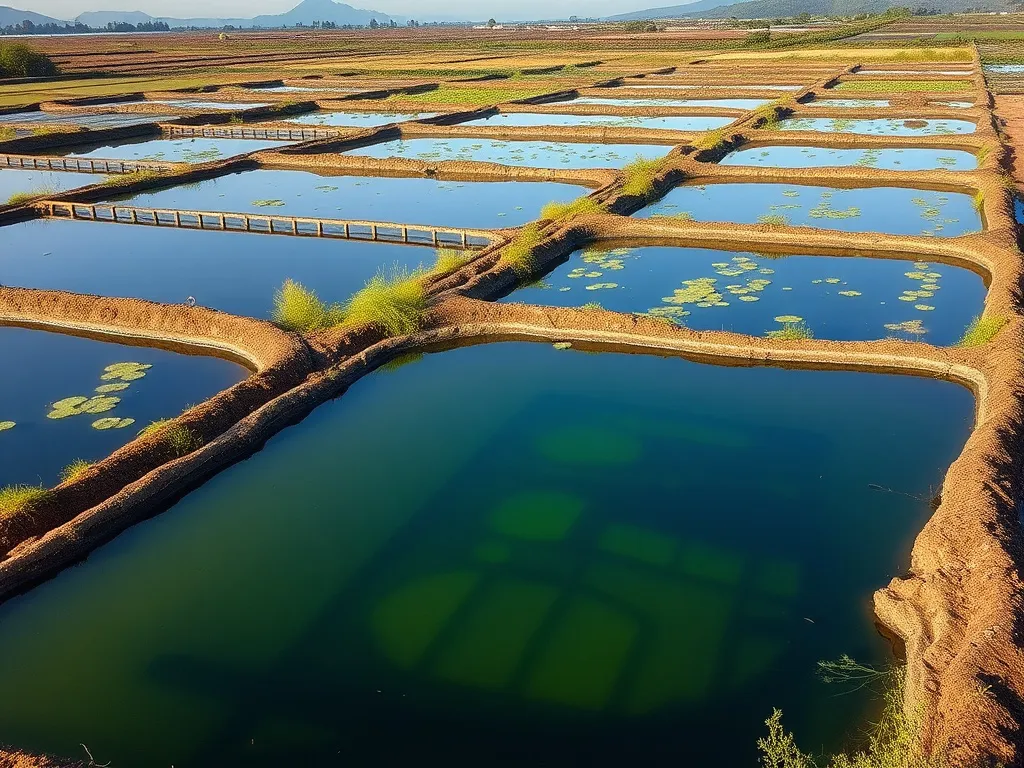
“In an effort to enhance water efficiency, an extensive agricultural field in Northern Africa utilized LLDPE to line its irrigation systems.”
This choice was guided by LLDPE’s ability to conform to varying landscapes, preventing water waste through seepage and ensuring optimal water usage for crop irrigation.
Conclusion: Making the Right Choice
Both HDPE and LLDPE offer clear advantages, shaped by the requirements of the project. HDPE’s strength and chemical resistance provide durability for demanding environments such as mining and hazardous waste containment. LLDPE’s flexibility and adaptability suit applications that need conformity and easier installation.
When deciding what fits best, weigh site conditions, long-term performance expectations, and budget constraints. Looking at the application environment, material properties, and total lifecycle cost will help guide you to a geomembrane that meets—and potentially exceeds—your operational goals.
Whether you’re engaging in the construction of a landfill, developing an agricultural irrigation system, or setting up an aquaculture pond, aligning geomembrane attributes with project goals is essential. By addressing both practical and environmental considerations, you support effective project delivery and responsible practices.