
How to Get a Quote for HDPE Geomembranes
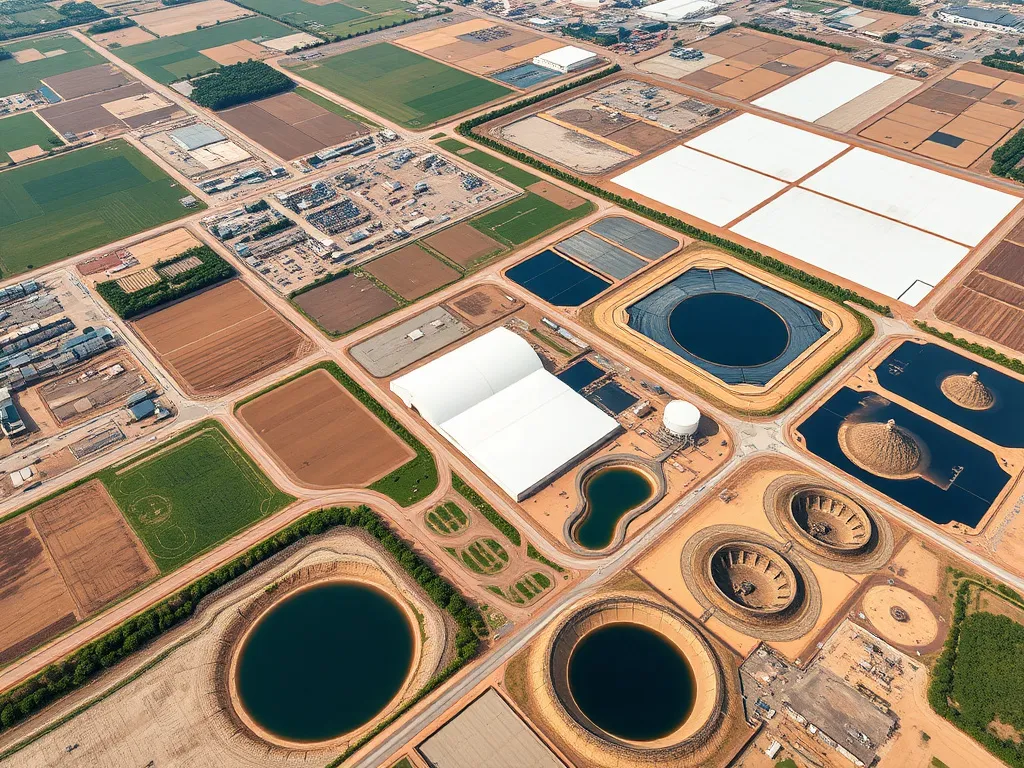
High-Density Polyethylene (HDPE) geomembranes are vital in mining, construction, and agriculture. These durable, chemical-resistant liners protect the environment by preventing leakage and meeting regulations. From tailings storage and leach pads to landfills, effluent ponds, aquaculture, canals, and reservoirs, HDPE is widely used. To get the right material, quantity, and delivery, know how to request a quote effectively.
Clear, complete information yields accurate, project-specific pricing. This guide outlines how to request quotes, key considerations, and tips to maximize your inquiry. Defining scope early reduces change orders, avoids delays, and lowers installed cost through better planning with your supplier.
Why Details Are Important in Requesting Quotes
A detailed request underpins an accurate estimate. Define the project precisely—vague scopes cause mismatched thicknesses, wrong roll widths, or inadequate UV stabilization, problems that surface late and are costly to fix.
State application specifics: environmental conditions, chemical exposure, and physical stresses. High slopes may need textured liners for friction; sun exposure requires stronger UV packages; hydrocarbons or aggressive leachates demand verified chemical compatibility. These details let the supplier recommend the right resin, thickness, and surface finish.
Key Information to Include
- Needed size and thickness. State total area, preferred roll width/length, nominal thickness (e.g., 1.0, 1.5, 2.0 mm), and smooth, single-sided, or double-sided texture. Share panel layouts or takeoffs for accuracy.
- Application type (containment, lining, bunding). Specify landfill cell, tailings dam, leach pad, lagoon, basin, secondary containment, or canal, plus slope angles, subgrade, and expected traffic.
- Required standards (e.g., GRI-GM13 or GM17). Note virgin resin, carbon black, OIT, thickness tolerances, and needed documentation: certificates of analysis, factory QA/QC, and third-party tests.
Step-by-Step Guide to Getting a Quote
1. Identify Your Geomembrane Needs
List project requirements. Note location, weather, leachates or chemicals, and installation conditions—seasonal temperatures, wind, and available equipment—as these affect seaming and productivity. Steep slopes or angular subgrade may require thicker or textured HDPE, a protective geotextile underlay, or both.
2. Choose a Trustworthy Supplier
Research suppliers with proven quality and standards compliance. A partner like gpf.ltd., specializing in HDPE and LLDPE geomembranes, offers products meeting or exceeding GRI-GM13 and GM17. Ask about resin origin, ISO certifications, traceability, warranty, recent test data, samples, technical support, and consistent roll labeling/documentation.
3. Prepare the Request for Quote (RFQ)
A precise Request for Quote is essential. Include the following in your RFQ:
- A detailed project description: location, application, target service life, drawings/panel layouts, start date, and site constraints affecting delivery or handling.
- Geomembrane specs (size, thickness, texture): roll width preferences, total area, tolerances, required test methods (GRI/ASTM), and whether you need factory-fabricated panels or field seaming only.
- Delivery and installation dates: lead times, delivery windows, shipping terms (Incoterms), on-site offloading capability, and packaging preferences (palletization, core size).
4. Ask About Additional Services
Beyond pricing, ask about installation guidance and post-sale support. Services like on-site technical visits, welder recommendations, trial seams, destructive/nondestructive testing support, and templates for ITPs, CQC/CQA plans, and as-built reports can streamline the project and prevent delays.
What to Expect After Sending a Quote Request
After you submit the RFQ, expect acknowledgment and a pricing timeline. Typical quote lead times are 24–72 hours. Complex scopes may prompt a short clarification call to confirm assumptions and reduce revisions.
“Accuracy in project specifications leads to precision in pricing.”
Provide added details promptly so pricing matches requirements. Suppliers may request drawings, subgrade information, chemical data sheets, or schedules. Many offer samples and data sheets before award and will state quote validity, resin price volatility, and current production slot availability.
Comparing Quotes: Ensuring Best Value
Evaluate more than price. Compare quality, standards compliance, and after-sales support. Build an apples-to-apples matrix: thickness, texture, roll width, GRI-GM13/GM17 conformance, included documentation, freight terms, delivery timing, and warranty.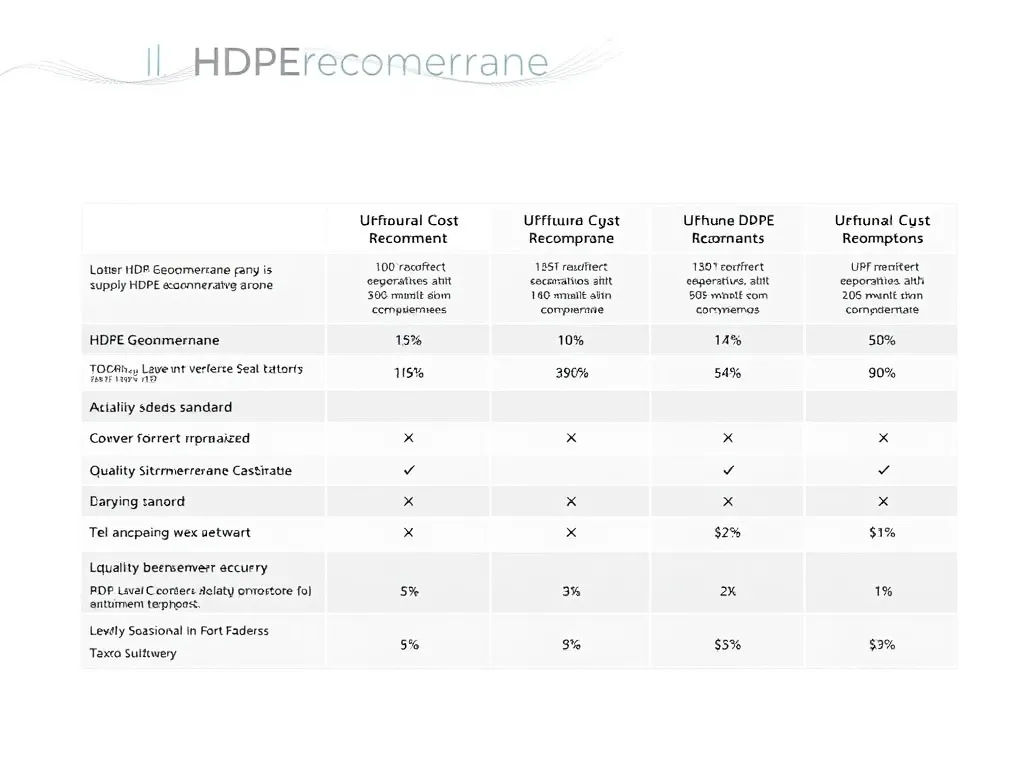 Confirm virgin resin (not reprocessed), adequate UV stabilization, and carbon black content for outdoor durability.
| Criteria | Importance |
|---|---|
| Pricing | High |
| Product Quality | Very High |
| Compliance with Standards | Essential |
| Support and Installation Services | Moderate |
Finalizing Your Purchase
After selecting a quote, place the order and confirm terms of sale, delivery, and payment. Keep communication open for adjustments. Request submittals—data sheets, GM13/GM17 certificates, factory QA reports, roll maps, and labeling—and agree on packaging, handling, and storage (cover rolls, protect from sharp objects, avoid prolonged UV exposure before installation).
On delivery, verify products against the order and commitments. Inspect roll labels, check thickness if required, and reconcile quantities with the panel layout. Hold pre-installation meetings to review seaming procedures, trial seams, and test methods (air channel, vacuum box, peel/shear) so quality expectations are clear.
Conclusion
Requesting HDPE geomembrane quotes is more than price checking. It requires planning, clear communication, and follow-up to meet project needs. Supplier reputation, product standards, and services strongly influence outcomes. A well-prepared RFQ delivers faster responses, fewer revisions, and higher confidence that materials will perform for the intended service life.
Choose reputable suppliers like gpf.ltd for products meeting top industry standards. Thorough RFQ preparation drives efficiency and quality assurance. With the right information and a capable partner, you can manage risk, protect the environment, and deliver on schedule and budget.