
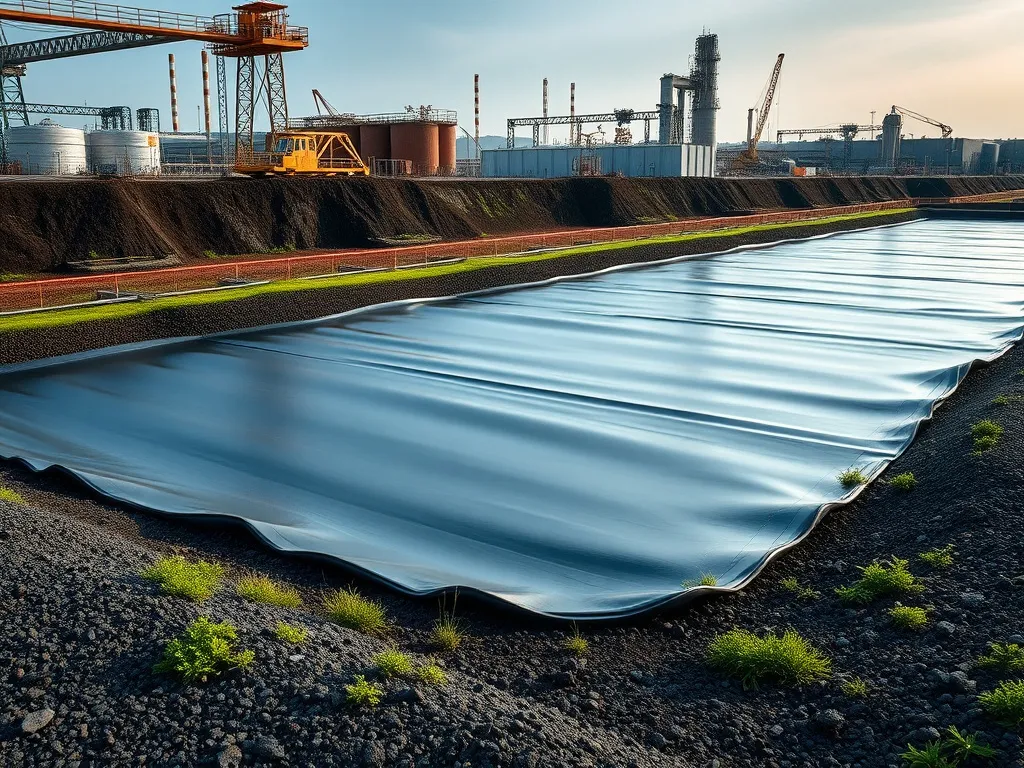
HDPE Geomembrane Producer vs. Distributor: What Buyers Should Know
Choosing between a High-Density Polyethylene (HDPE) geomembrane producer or a distributor shapes more than price—it affects risk, regulatory compliance, installation speed, and the long-term performance of liners in heap leach pads, landfills, lagoons, and irrigation ponds. This article clarifies the difference and helps you align sourcing with project priorities.
As demand for geomembranes grows, buyers must weigh quality assurance, pricing, customization, logistics, warranty support, material traceability, and service responsiveness. Regulators often require documented conformity to recognized standards and robust quality control—needs your procurement partner must help you meet efficiently.
Below, we outline the roles of producers and distributors, their advantages, and practical guidance. You’ll see when to seek bespoke formulations, when to prioritize speed, and how to balance total cost of ownership with upfront pricing. We also note hybrid models and checkpoints that reduce surprises during installation and commissioning.
Understanding Producers: Ensuring Quality and Customization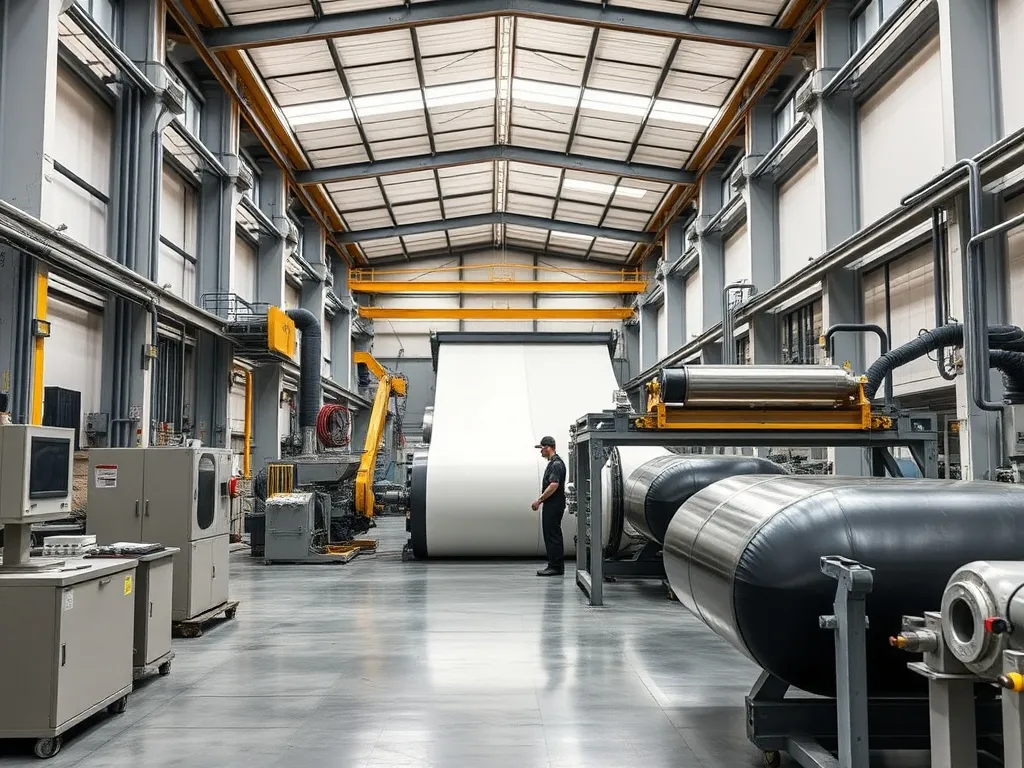
Producers make HDPE geomembranes from raw materials through finished rolls, controlling resin grades, carbon black, and stabilizers. This allows tuning of stress crack resistance, oxidative stability, and UV durability for harsh chemical and climatic conditions.
The Production Process
Producers manufacture to standards such as GRI-GM13 and GRI-GM17 via flat-die or blown-film extrusion, optional texturing, and in-line/lab testing for thickness, density, tensile and puncture strength, carbon black content/dispersion, and oxidative induction time. Many hold ISO 9001 certification and use GAI-LAP or third-party labs. Rolls are traceable and ship with certificates of analysis—documentation often required for regulatory approval and project closeout.
- Customization Options: Tailored thicknesses, textures (smooth, single- or double-sided), conductive layers for leak surveys, and roll width/length adjustments to reduce seams. For aggressive media, stabilizers or coextruded barriers address compatibility.
- Direct Quality Control: Lot-by-lot testing, heat-number traceability, rapid corrective actions, factory audits, and clear accountability for warranties and performance.
This mix of customization and quality control suits projects with demanding specifications. Direct collaboration can streamline submittals, simplify changes, and support extended warranties backed by data.
Exploring Distributors: Flexibility and Convenience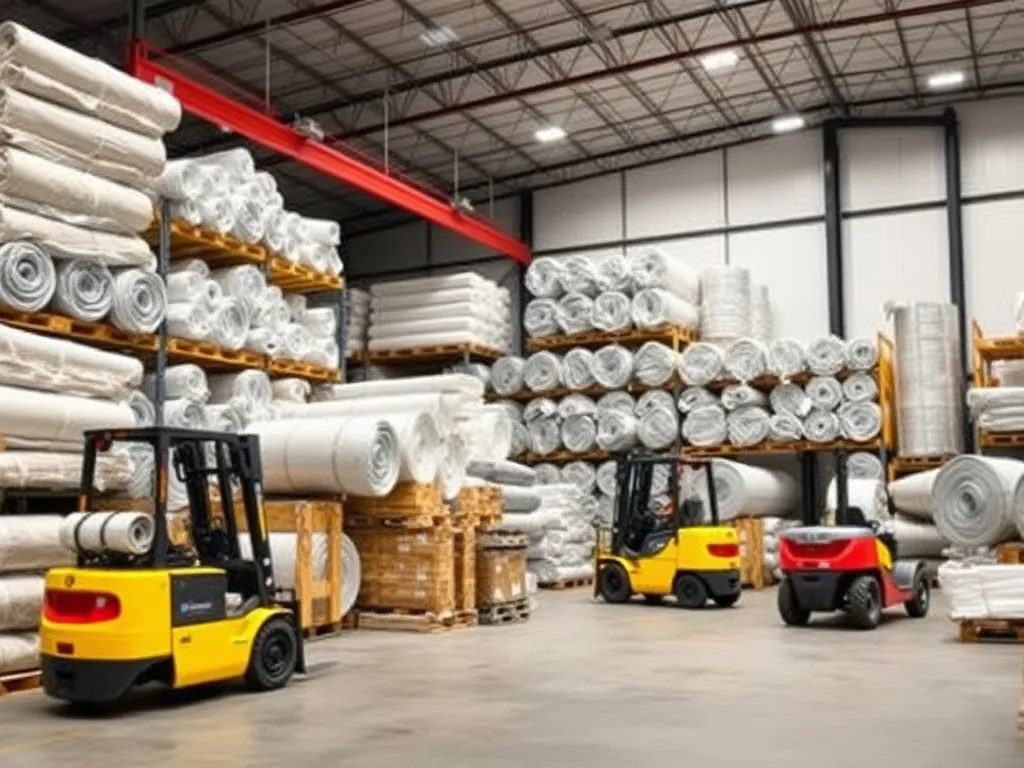
Distributors bridge producers and end users, stocking multiple brands for flexibility and convenience. With regional inventories and related geosynthetics on hand, they buffer supply disruptions and coordinate deliveries to match installation schedules.
Advantages of Working with Distributors
- Diverse Product Range: Access to several producers enables comparisons and value engineering (e.g., HDPE vs. LLDPE, conductive liners for integrity testing) and establishes qualified alternates.
- Convenience and Efficiency: Shorter lead times and smoother logistics, including cut-to-length rolls, kitting, consolidated shipments with accessories, and help with customs and last-mile delivery.
- Expert Advice: Market-savvy teams collaborate with certified installers and understand local codes and climate performance—accelerating approvals and reducing rework.
For buyers prioritizing ease of procurement or with flexible material choices, distributors are practical—especially for maintenance, small projects, and schedule-driven jobs where inventory and credit terms keep work moving.
Factors to Consider When Choosing Between Producer and Distributor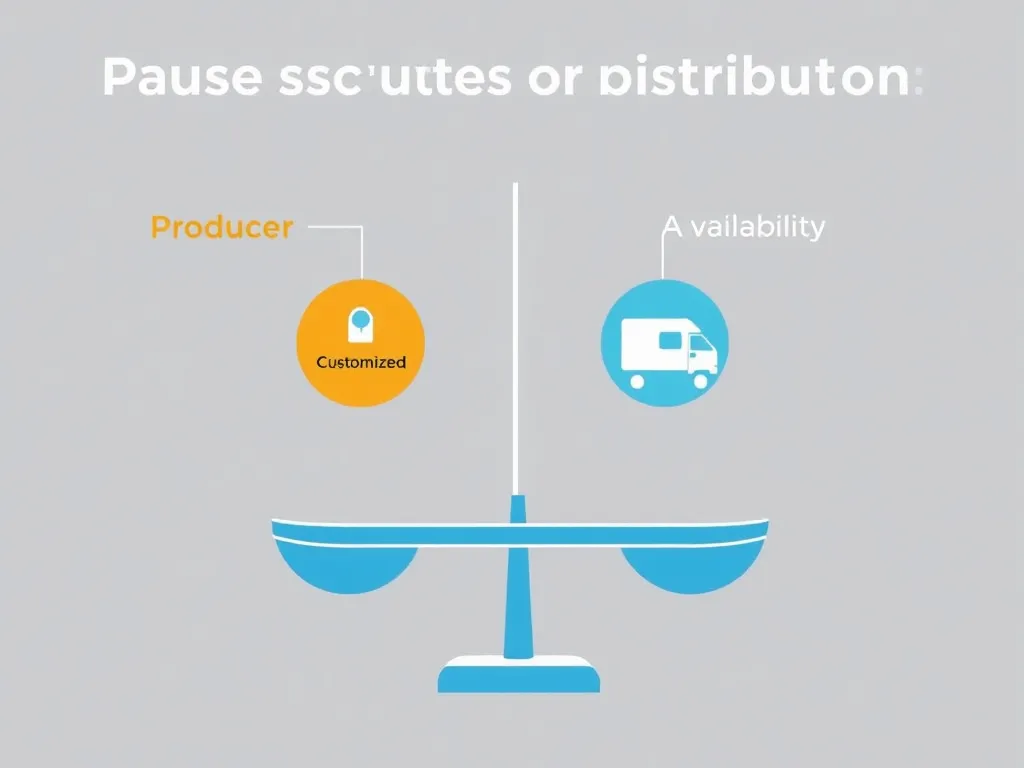
Go beyond headline price and weigh total cost of ownership, risk tolerance, documentation needs, and the likelihood of design or schedule changes. Match these to your internal capabilities: teams strong in logistics may prefer direct manufacturer relationships, while decentralized projects often benefit from distributor support.
| Factor | Producer | Distributor |
|---|---|---|
| Customization | High—coextrusion, conductive layers, tailored roll sizes, and specific texturing to meet engineered friction or testing needs. | Moderate—limited to stocked items; special orders possible with added lead times and minimums. |
| Price | Often lower—no intermediary margin; consider MOQs and freight to site for true landed cost. | Variable—volume leverage and bundled services; margins reflect inventory and logistics support. |
| Availability | Tied to production schedules; resin markets and peaks affect lead times, especially for specials. | Frequently faster via regional stock, though popular SKUs can sell out in surges. |
| Logistics | More buyer coordination—pickups, Incoterms, customs, and site staging for large panels. | Streamlined—consolidated shipments, brokerage, and timed deliveries for installation windows. |
Many adopt a hybrid approach: buy bespoke liners from a producer and rely on distributors for standard SKUs and replenishment, balancing specialization with supply resilience.
Case Studies: Successful Procurement Strategies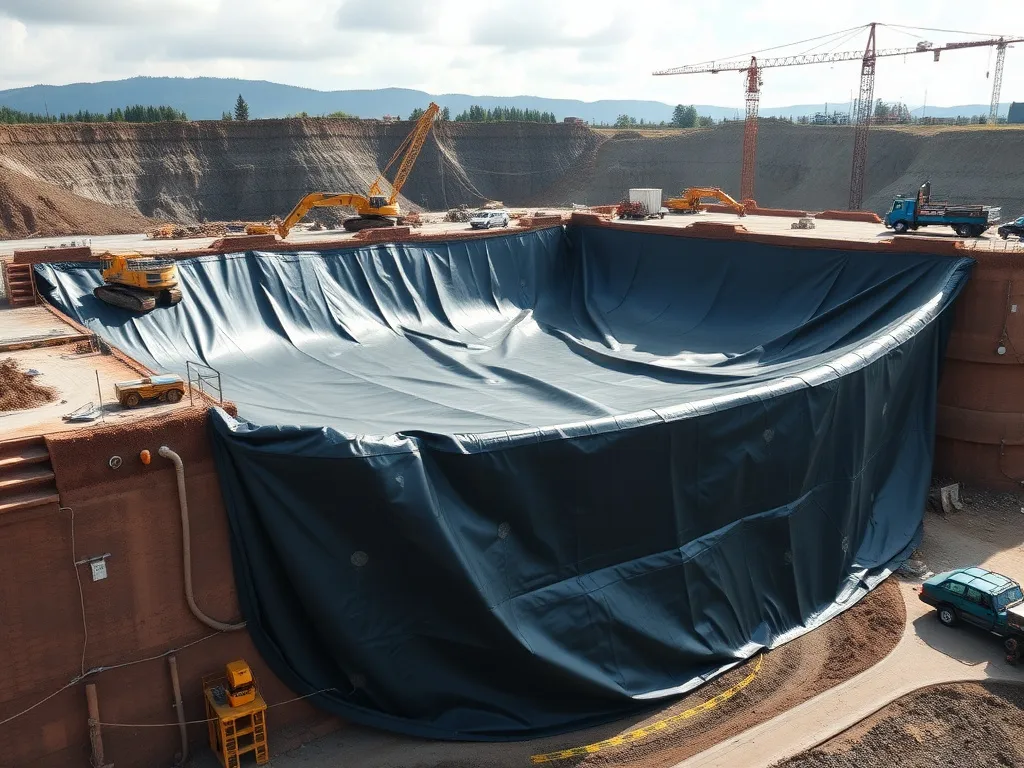
A mining company required enhanced chemical resistance. Working with a producer, they tuned stabilizers for oxidative stability, specified conductive liner for post-installation leak detection, and received a comprehensive GRI conformance package with third-party verifications. Permitting and quality submittals moved quickly, and the project secured an extended warranty aligned with long operating life.
A contractor facing tight deadlines partnered with a distributor for immediate access to standard materials. The distributor bundled geomembrane, geotextile, and seaming accessories into phased deliveries, reducing storage and crane idle time. Coordination with the installer kept milestones on track without sacrificing compliance.
“The right partner delivers more than a roll—they deliver performance, documentation, and on-time execution.”
Practical Advice for Buyers
Choose based on priorities. Take these steps:
- Evaluate Project Specifics: Define customization and quality needs. Consider slope angles and friction, conductive liner requirements for spark testing, and environmental conditions that affect resin choice and install windows.
- Consider Budget Constraints: Compare landed costs, MOQs, and seaming productivity. Wider rolls or prefabricated panels can cut seams and labor, offsetting material price differences.
- Assess Time Sensitivity: For tight timelines, leverage distributor inventory. Request real-time stock visibility, pre-approved alternates, and phased shipments aligned with installation.
- Research Reputations: Check certifications, COAs, quality manuals, warranty terms, and recent third-party tests. Verify ISO and lab accreditations, and consult installers on handling and weldability.
Conclusion: Making the Right Choice
The decision hinges on your project’s priorities—quality, customization, price, or timing. Producers offer assured customization and direct quality control; distributors deliver variety and logistical efficiency. Many organizations keep relationships with both to stay agile as markets and project needs change.
Align specifications with partner strengths, set performance-based acceptance criteria, and establish clear communication. Prioritize documentation, traceability, and installation readiness—so the liner you buy performs as designed, on schedule, and over the long term.